Denmark is planning to make a major change that has started a big debate across Europe. The country has brought back plans to implement a nationwide ban on the Islamic call to prayer, which is also known as the azaan. This move comes amid growing worries about the "Islamisation" of Danish society.
Why Denmark Wants to Ban the Azaan
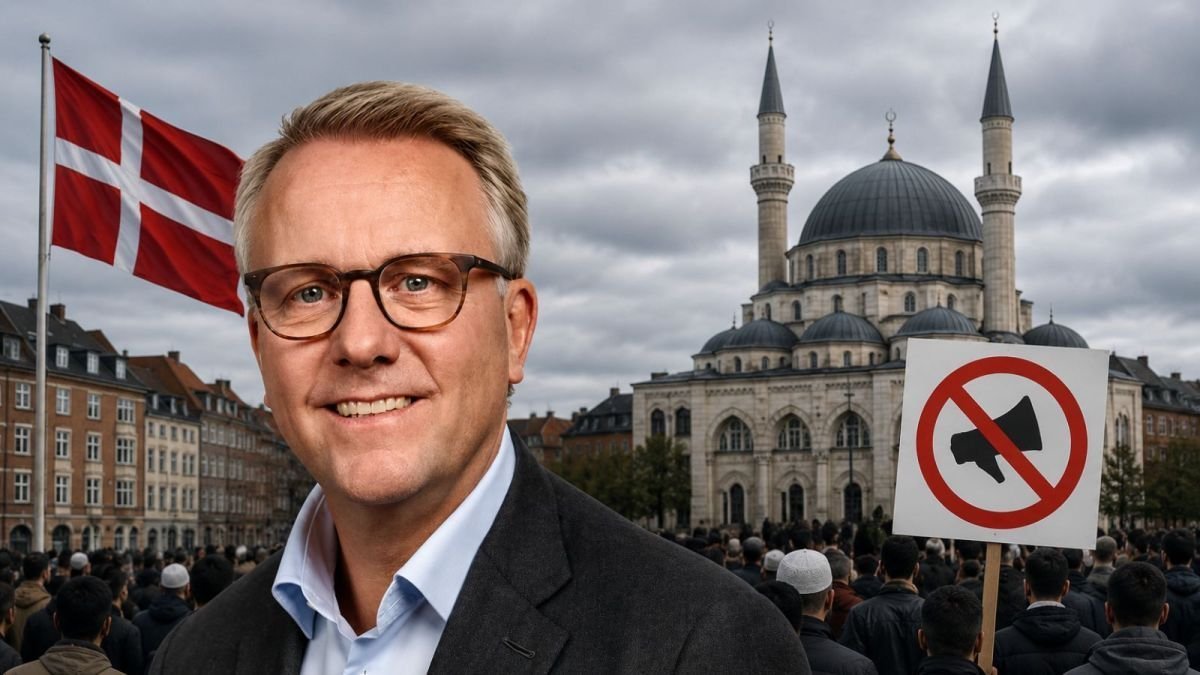
The plan was recently announced by Morten Bodskov, the immigration minister of Denmark. He is known for having a tough stance on immigration. Bodskov explained that some parts of the country have changed so much that they do not feel Danish anymore. He said that some neighborhoods have come to feel like "a suburb of Islamabad," the capital of Pakistan.
Bodskov spoke to the Danish news agency Ritzau and said that "Islamisation" is taking up too much public space in Denmark. He believes that the sounds of different religions should not dominate public areas. "The call to prayer should not be heard over Danish rooftops," Bodskov stated clearly. He wants to protect the traditional look and feel of Danish towns and cities.
A Tough Stance on Immigration
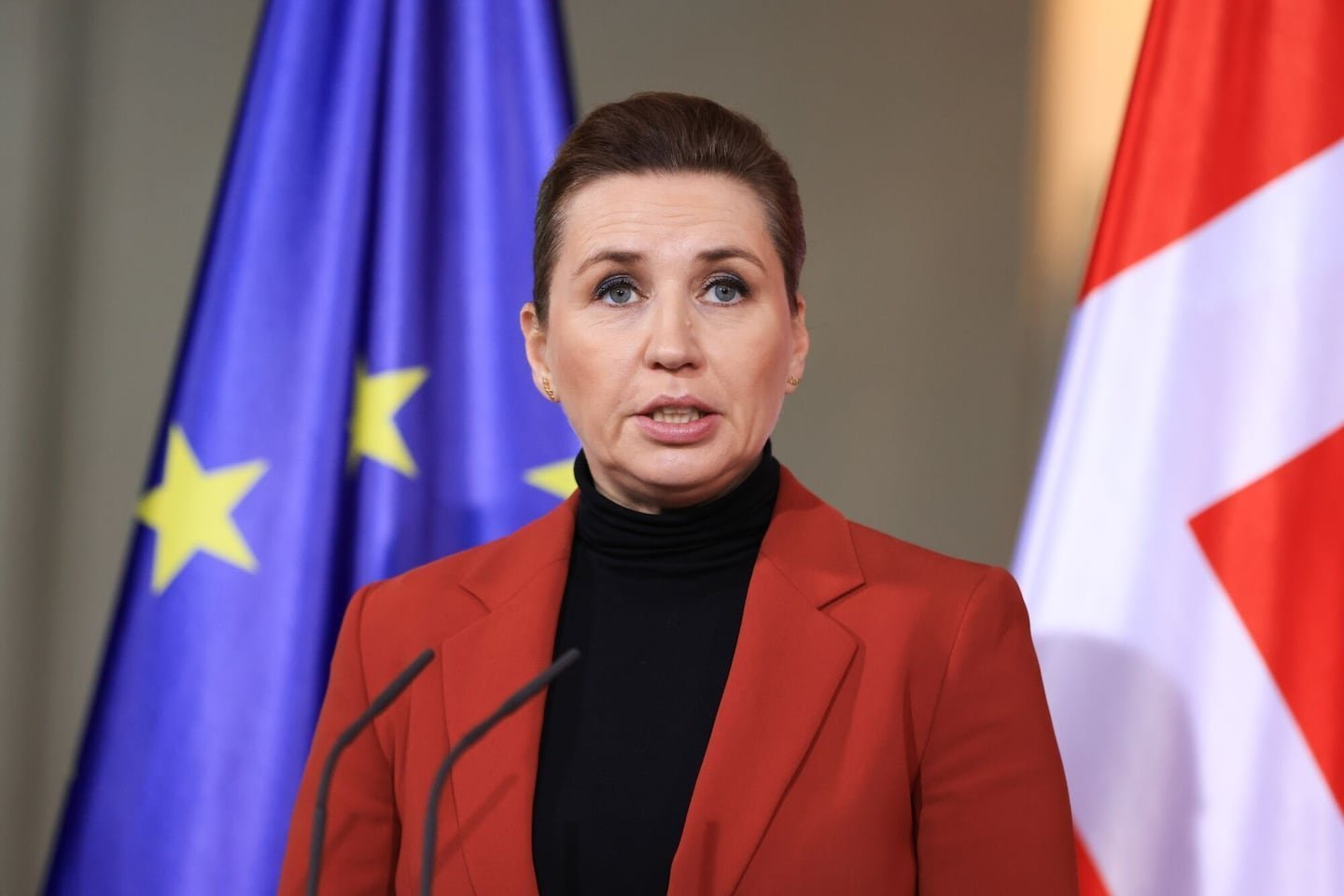
This new proposal is part of a larger trend in Denmark. Under Prime Minister Mette Frederiksen, Denmark has enacted some of the strictest immigration and integration laws in Europe. The government wants immigrants to adapt fully to Danish culture and values.
Earlier this year, the country passed a law that bans the Islamic full-face veil in public places. The government also told schools and other educational institutions to remove their prayer rooms. These moves show that Denmark is working hard to keep religion out of public life.
Many Western nations are making tough choices regarding national security and cultural integration. While some countries are dealing with complex security issues, such as the repatriation policy in Australia, Denmark is focusing on cultural assimilation within its borders.
How Governments Manage Identity and Rules
When governments try to protect national identity, they often change laws, public symbols, or administration practices. In some parts of the world, this involves changing the names of local schemes to match national values, like the recent debates over name changes in India's welfare programs. In Denmark, however, the focus is directly on limiting religious practices in public spaces to maintain cultural uniformity.
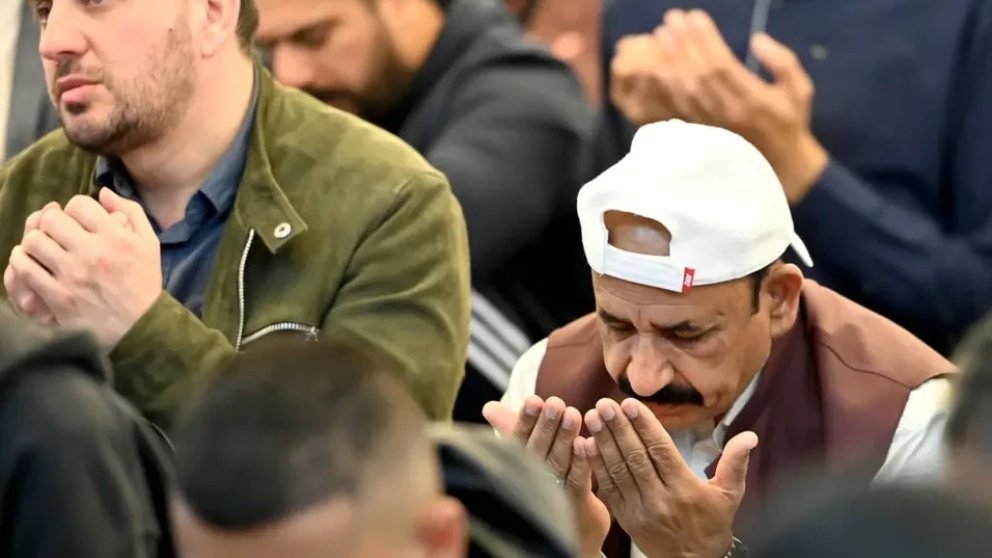
Currently, Muslims make up about 5% of Denmark's population. This makes them the largest minority community in the country. Because of this, any law that targets Islamic practices will affect a large number of people living in Denmark.
There’s more to life than simply increasing its speed.
By Udaipur Freelancer
The Legal Challenges Ahead
Banning the call to prayer across the entire country will not be easy. Denmark has tried to pass a similar law twice before, in 2020 and 2025. Both times, the proposal did not make it to parliament. One of the main reasons is that a nationwide ban might violate the law.
The Danish Constitution protects the right of citizens to worship freely. A complete ban on a religious practice could go against these fundamental rights. Because of this, Minister Bodskov said the government will first study whether a nationwide ban is legally possible. They want to see if they can ban the azaan while still respecting the constitution.
Even without a nationwide ban, some cities in Denmark already have rules that limit the call to prayer. In Copenhagen, for example, strict noise rules stop mosques from using loudspeakers outside. Because of these rules, the Grand Mosque of Copenhagen does not broadcast the call to prayer outdoors.
Growing Tensions and Public Debate
This proposal comes at a time of high tension in Europe. Anti-immigrant feelings have risen in many European countries. Public practices like wearing the hijab and broadcasting the call to prayer are receiving more scrutiny than ever before.
In Denmark, Islamophobia has become a major political topic. Last year, anti-Islam activists burned copies of the Quran, which caused protests around the world. To stop the unrest, the Danish government had to pass a law banning the burning of holy books. Now, as Prime Minister Frederiksen starts her third term, the world will watch to see if Denmark can successfully ban the call to prayer.
Udaipur Freelancer delivers high-quality web, marketing, and design solutions. We focus on building impactful digital experiences that help your brand succeed in today's market.













Recommended for you
Must-See Art Exhibitions Around the World This Year
The Revival of Classical Art in a Digital Age
Breaking Down the Elements of a Masterpiece Painting
The Revival of Classical Art in a Digital Age