Driving through the busy streets of Delhi often means dodging deep potholes. These bumps are not just annoying; they are a major safety risk for everyone on the road. In a positive move, the Delhi government has started testing a brand-new way to fix these road craters. This new method uses a 'Spray, Injection, Patching' machine that can fill a pothole in less than five minutes.
How Does This New Technology Work?
The Public Works Department (PWD) recently tested this machine in Central Delhi. Unlike the old, slow methods that require many workers and heavy rollers, this new process is fully automated. First, the machine uses high-pressure air to clean the dirt out of the pothole. Then, it sprays a special sticky liquid called bitumen emulsion to prep the area. Finally, the machine injects a mix of material into the hole under high pressure. Because of this high pressure, the material stays solid without needing a heavy roller to flatten it.
This is a huge improvement over how we used to handle road safety issues, which are often discussed in reports like tragedy in Pune road safety concerns. By making the process so fast, the city can repair between 100 and 150 potholes in a single day using just one machine.
Why This Is a Game-Changer for Commuters
One of the best things about this technology is how little it disrupts traffic. Usually, road repairs cause long traffic jams and require closing off entire lanes for hours or days. With this mobile, self-contained machine, the road can be opened for traffic almost immediately after the repair is done. This means less waiting in your car and a smoother journey for everyone.
Furthermore, these repairs are built to last. While old methods often fall apart after just a few weeks of heavy rain, these new patches bond strongly to the walls of the pothole. They are designed to stay in place for several years. This is great news for the city's infrastructure, which is constantly evolving, much like how the nation watches advancements like India's first bullet train BEML rollout.
There’s more to life than simply increasing its speed.
By Udaipur Freelancer
Repairing Roads Even During Monsoon
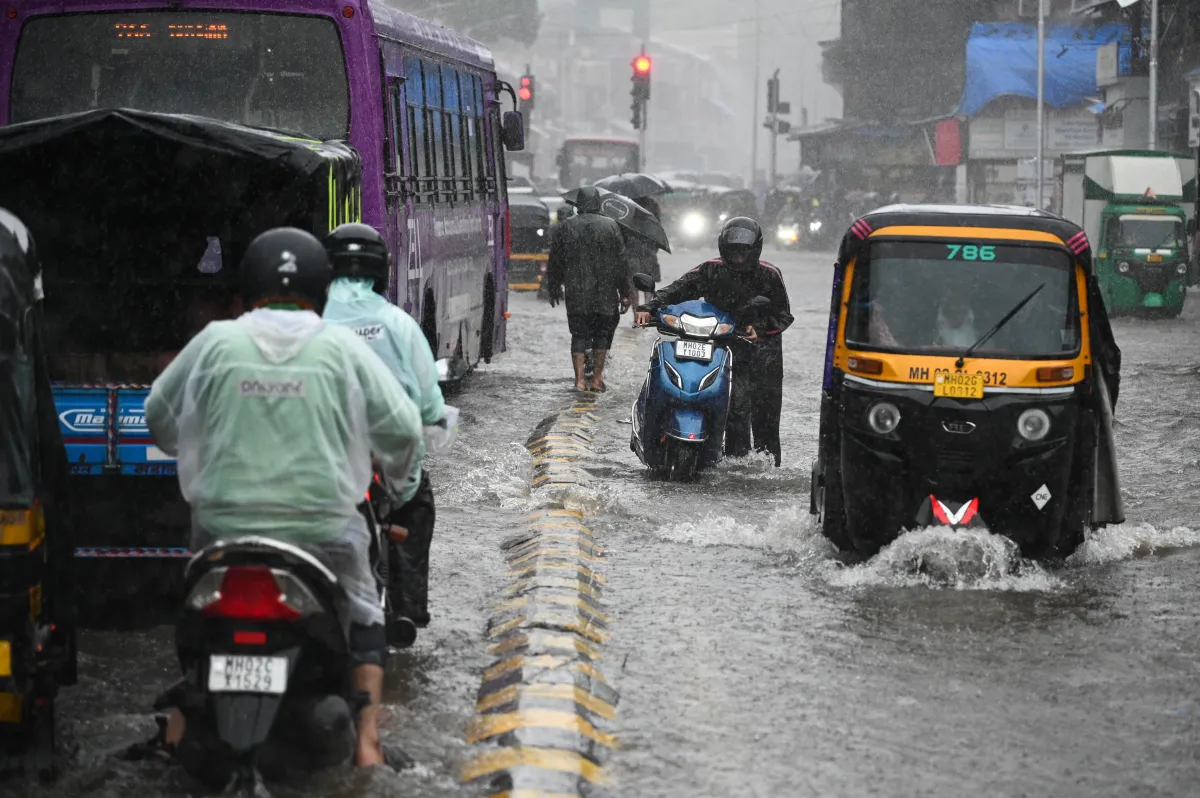
We all know that the monsoon season is the worst time for Delhi roads. In the past, water made it almost impossible to do proper repairs. However, officials say this new spray and injection method can even work in damp conditions. Because the process is so quick and uses high-pressure cleaning, the city will no longer have to wait for the rain to stop before fixing dangerous holes.
The PWD minister, Parvesh Sahib Singh, noted that the government is committed to using modern technology to make city travel better and more efficient. If these trials continue to be successful, we can expect to see these machines working all across Delhi soon. This is a big win for urban infrastructure and public safety, proving that the right tools can make a world of difference for daily city life.
Udaipur Freelancer delivers high-quality web, marketing, and design solutions. We focus on building impactful digital experiences that help your brand succeed in today's market.

















Recommended for you
Must-See Art Exhibitions Around the World This Year
The Revival of Classical Art in a Digital Age
Breaking Down the Elements of a Masterpiece Painting
The Revival of Classical Art in a Digital Age