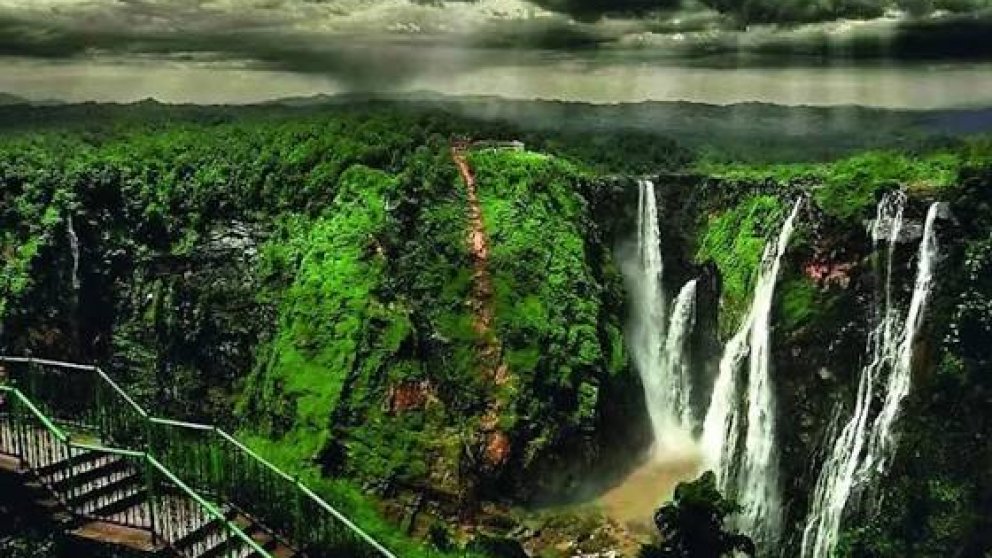
The Indian Central Government has once again issued a draft notification to declare large parts of the Western Ghats as an Eco-Sensitive Zone. This step comes after years of discussion and continuous disagreement between the central government and six state governments. The Western Ghats is a major mountain range that stretches across six states in India. It is famous for its rich forests, wild animals, and fresh rivers. However, protecting this important natural area has turned into a long legal and political struggle.
The new draft notification covers over 56,000 square kilometers of land across Gujarat, Maharashtra, Goa, Karnataka, Kerala, and Tamil Nadu. The main goal of this policy is to protect the fragile ecology from harmful activities like mining, heavy construction, and large industrial projects. Environmental experts have repeatedly warned that damaging the Western Ghats can cause severe natural disasters such as landslides, sudden floods, and severe climate changes.
Why is There a Deadlock Between the Centre and States?
Even though saving nature is essential, state governments are hesitant to accept the draft rules completely. Many state leaders feel that declaring such a massive area as eco-sensitive will slow down economic growth and construction. They worry that farmers, local villagers, and business owners will face many difficulties in their daily lives.
For instance, people living in mountain villages fear that they will not be allowed to build homes, roads, or expand their farmland. State governments want the boundaries of the eco-sensitive zone to be reduced so that human settlements remain unaffected. On the other hand, scientists believe that shrinking the protected areas will damage the natural wildlife corridors. This clash of priorities has created a deadlock that has lasted for over ten years.
Balancing Nature Protection and Industrial Safety
Protecting vulnerable regions is not only about saving trees, but also about avoiding industrial accidents. When chemical factories or heavy projects operate near fragile natural areas, safety risks rise significantly. Similar risks regarding safety and regulations can be seen in other industrial stories, such as the mystery behind Barmer refinery fire. Enforcing environmental rules helps keep both nature and human workers safe.
Under the reissued notification, the central government wants a complete ban on mining, stone quarrying, and setting up new thermal power plants in the zone. However, everyday activities like traditional farming, eco-tourism, and minor repairs of homes will not be stopped. The Centre is trying to reassure states that normal human life will not come to a complete standstill.
There’s more to life than simply increasing its speed.
By Udaipur Freelancer
Supporting Local Communities and Livelihoods
Another major priority is protecting the rights and livelihoods of local villagers. Governments must ensure that poor families living near forest areas are supported with good alternatives. Just like city welfare programs such as the Mumbai BMC Swabhiman Nidhi domestic workers aid aim to help vulnerable citizens, rural welfare plans must protect forest dwellers during policy changes.
Local communities need financial security, healthcare, and sustainable jobs in green energy or eco-tourism. When local residents are treated as partners in conservation, they actively help protect the forest from illegal activities instead of opposing environmental laws.
What Lies Ahead?
The newly reissued notification gives the six state governments and the public 60 days to submit their feedback, concerns, and recommendations. The Central Government hopes that continuous dialogue will finally help resolve the long-standing deadlock.
The Western Ghats play a massive role in regulating India's monsoon weather and supporting biodiversity. Protecting this natural heritage is vital for the country's future. Finding a peaceful balance between environmental protection and human development is the only sustainable way forward.













Recommended for you
Must-See Art Exhibitions Around the World This Year
The Revival of Classical Art in a Digital Age
Breaking Down the Elements of a Masterpiece Painting
The Revival of Classical Art in a Digital Age