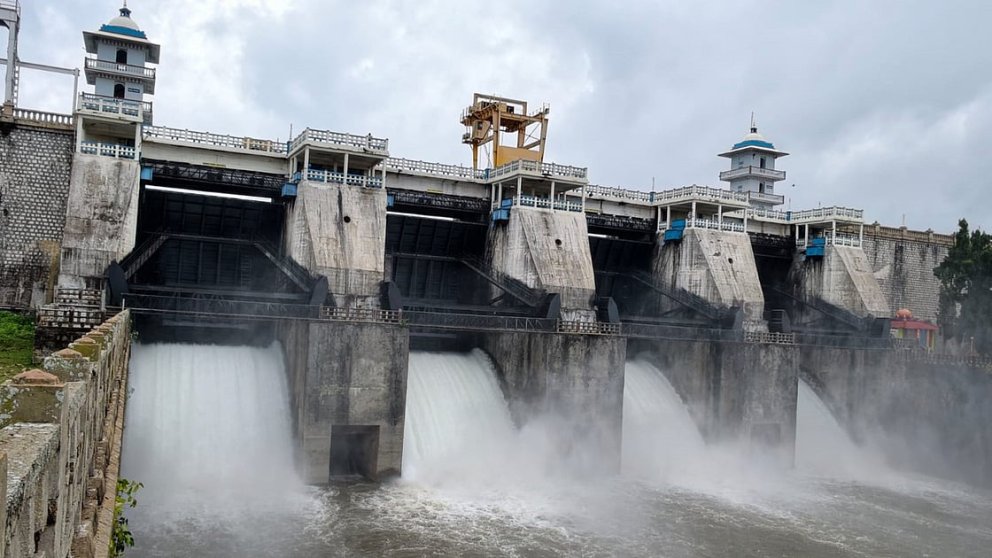
Water is one of the most essential resources for life. In southern India, the Cauvery river plays a massive role in meeting the daily needs of millions of people. It provides water for drinking, farming, and daily living across multiple states. However, sharing water fairly during dry seasons is always a difficult task. To address this important issue, the Cauvery Water Regulation Committee and the Cauvery Water Management Authority are scheduled to meet on Tuesday to review the overall water situation.
Why Is the Tuesday Meeting Being Held?
The main goal of this upcoming Tuesday meeting is to carefully assess how much water is available in the main reservoirs. Officials will look at monsoon rainfall levels, current water storage, and inflow rates. States like Karnataka and Tamil Nadu depend heavily on the Cauvery river, and both have specific water requirements for their towns, cities, and vast agricultural lands.
During the meeting, experts will evaluate rainfall patterns to check if regions received enough rain this season. They will calculate how much water should be released from dams to ensure a fair distribution without depleting safety reserves. Decisions made in this meeting help prevent serious water shortages during the upcoming dry months.
The Challenge of Water Distribution and Rainfall
Managing river water is never easy, especially when monsoon rains are unpredictable. In some years, heavy rain causes overflowing reservoirs, while in other years, delayed or weak rains create severe dry spells. Rain patterns have a direct influence on food production, supply chains, and market rates across towns and villages.
When rainfall is low, crop yields drop, leading to local market shortages. Similar issues happen in neighboring regions where weather challenges lead to severe disruptions, such as pune gultekdi market rain supply disruption prices rising due to unsteady supply. When water for irrigation is low, farmers face huge stress trying to protect their crops.
How Does Water Availability Affect Farmers?
Farmers are the most affected group when river water levels fluctuate. Agriculture in the Cauvery basin relies on timely water releases for crops like paddy, sugarcane, and pulses. Without adequate water, seeds cannot grow, and standing crops dry up in the heat.
When the committee reviews the water levels, they give high priority to agricultural needs. However, drinking water for large towns and metropolitan cities must also be protected. Finding the right balance between public drinking needs and irrigation is always a complex balancing act for the officials.
There’s more to life than simply increasing its speed.
By Udaipur Freelancer
Government Policies and Managing Resources
Government decisions regarding natural resources, agriculture, and public welfare are crucial for stable communities. When governments create supportive social programs, it eases the burden on families during difficult economic times. For instance, initiatives like the delhi government free bicycle scheme class 9 girls show how state support can help families manage daily expenses and promote education.
In the same way, effective water policies protect rural livelihoods and lower the financial burden on farmers. By planning water storage and release careful, authorities aim to prevent major crises before they happen.
What Will Happen After the Meeting?
Once the review meeting finishes on Tuesday, official directives will be issued to the respective state governments. These guidelines will specify how much water should be retained in reservoirs and how much must be shared downstream over the coming weeks.
People living in the Cauvery basin hope for positive news and fair decisions. Proper management will ensure that farmers get enough water for their fields and citizens get a steady supply of drinking water. We will keep tracking updates from the Tuesday review and share fresh details as soon as they are announced.












Recommended for you
Must-See Art Exhibitions Around the World This Year
The Revival of Classical Art in a Digital Age
Breaking Down the Elements of a Masterpiece Painting
The Revival of Classical Art in a Digital Age