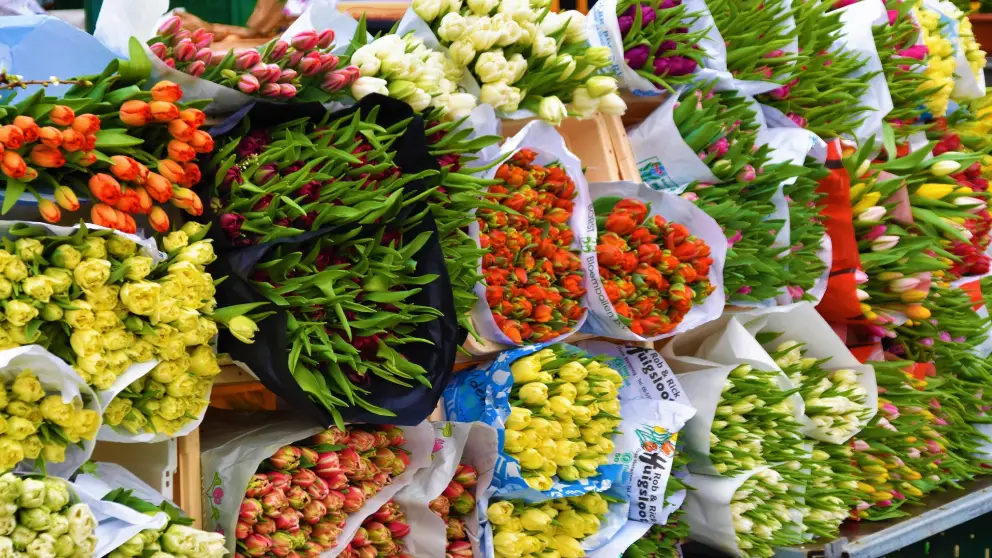
Heavy rain has hit the Pune region hard over the past few days. Along with the rain, several landslides have blocked major roads. This bad weather has caused big problems for the transport of goods. The supply of fresh fruits and vegetables to Pune’s famous Gultekdi Market has been badly affected. Because of this, traders are reporting huge changes in daily food prices.
The biggest problem happened on Monday. A major landslide completely shut down traffic on the Mumbai-Pune Expressway. The blockage happened on the Missing Link corridor, and cars could not move at all. It took workers more than 18 hours to clear the road and start traffic again. This long delay cut off the main supply route to Pune from many sides.
At the same time, heavy rains in the areas around Pune have made it hard for local farmers. They cannot harvest their crops easily, and they cannot send them to the city. This lack of transport has squeezed the supply lines. However, at the same time, fewer people are coming to the market to buy things. This mix of low supply and low demand has created a strange situation where some prices are going up while others are crashing down.
Why Leafy Vegetables Are Getting Costlier
If you are planning to buy leafy greens this week, be ready to pay more. Wholesale prices for green vegetables have gone up quickly. Atul Raykar, a well-known vegetable trader at the Gultekdi Market, shared some details about the current prices. He said that a single bunch of coriander is now selling for 36 to 40 Rupees. This is much higher than what it cost last week. Spinach is also selling for 35 to 40 Rupees per bunch.
Other green vegetables like fenugreek, dill, peas, and butter beans have also become more expensive. The market is facing two problems at once. First, there is a big drop in the number of buyers because of the rain. Second, trucks cannot reach the market. For example, tomatoes from Satara are delayed. Cabbage from Nasrapur and nearby areas stopped coming completely on Monday. Because the roads are closed, many farmers have stopped harvesting their crops, which makes the shortage even worse.
Such extreme weather events show how vulnerable our farmers are to climate and economic shocks. During these tough times, small farmers and workers need strong safety nets. This is why learning about government benefits, such as the Atal Pension Yojana (APY) scheme, is so important for long-term security. These programs help protect families when their regular work is disrupted by nature.
A Surprising Fall in Fruit Prices
While vegetables are getting costlier, fruits are seeing the opposite trend. You might think that low supply would make fruits expensive too, but that is not happening. Yuvraj Kachi, a fruit trader at the market, explained why. He said that even though the rain has cut fruit supplies, the demand from buyers is very low. Since people are staying indoors due to the rain, fruits are not selling quickly.
For example, the supply of pomegranates has dropped by about 40 percent. Yet, the price of pomegranates has fallen from 80-400 Rupees per kilogram to just 40-250 Rupees per kilogram. Custard apples have also seen a price drop, now selling for 20-100 Rupees per kilogram. Without active buyers in the market, traders have no choice but to sell their stock at lower rates before it spoils.
There’s more to life than simply increasing its speed.
By Udaipur Freelancer
Another trader named Suyog Zende pointed out how the Mumbai-Pune Expressway closure hit fruits coming from far away. Famous mango varieties like Dasheri, Langra, and Chausa from Uttar Pradesh saw price drops. Their rates fell from 40-45 Rupees per kilogram to 30-35 Rupees per kilogram. Other fruits like Kashmiri cherries, plums, and peaches have also become cheaper. High humidity in the air is making fruits ripen much faster. This reduces their shelf life, forcing traders to sell them as fast as possible.
What to Expect in the Coming Days
The situation in the market is expected to change soon. The upcoming Palkhi procession is likely to keep the demand for fruits and vegetables very low for a few more days. Many farmers have paused their harvesting work because of this weak market. Once the Palkhi leaves Pune, we might see a sudden flood of guavas and papayas in the market, which could change prices once again.
Interestingly, some vegetable prices actually went down on Monday. Vegetables like capsicum and bottle gourd became cheaper because farmers redirected their trucks. These trucks were originally headed to Mumbai, but because of the expressway block, they turned around and sold their goods in Pune instead. This sudden extra supply brought temporary relief to Pune consumers.
While national headlines often focus on political shifts and the India opposition paradigm shift, local news like this directly affects the daily lives of citizens. The price of food is a daily concern for every family. The current price swings at Gultekdi Market show how closely our food supply is linked to transport, weather, and road safety.
For now, shoppers in Pune will have to deal with these uncertain prices. It is a good time to buy fruits if you want to save money, but you might want to wait a bit before buying large quantities of leafy green vegetables. As the rain clears and roads open up fully, we can hope that the market returns to its normal state soon.













Recommended for you
Must-See Art Exhibitions Around the World This Year
The Revival of Classical Art in a Digital Age
Breaking Down the Elements of a Masterpiece Painting
The Revival of Classical Art in a Digital Age