We have all heard the old saying: "Breakfast is the most important meal of the day."
And it’s true! A good breakfast gives you energy, wakes up your brain, and sets the tone for the rest of your day. But here is the tricky part if you are watching your cholesterol levels, the typical American Breakfast might be your worst enemy.
Let’s be honest for a second. We all love the smell of sizzling bacon or the taste of a sweet, glaze-covered donut. But when your doctor tells you that your cholesterol numbers are creeping up into the danger zone, those tasty treats stop being comfort food and start becoming a health risk.
High cholesterol is sneaky. You don't feel it happening, but it slowly clogs up your arteries, putting you at risk for heart disease and strokes. The good news? You don’t have to starve yourself. You just need to know which foods are the biggest offenders and kick them off your morning plate.
If you want to keep your heart happy and your arteries clear, here are the 5 breakfast foods you need to stop eating right now, along with some simple, tasty swaps you can make instead.
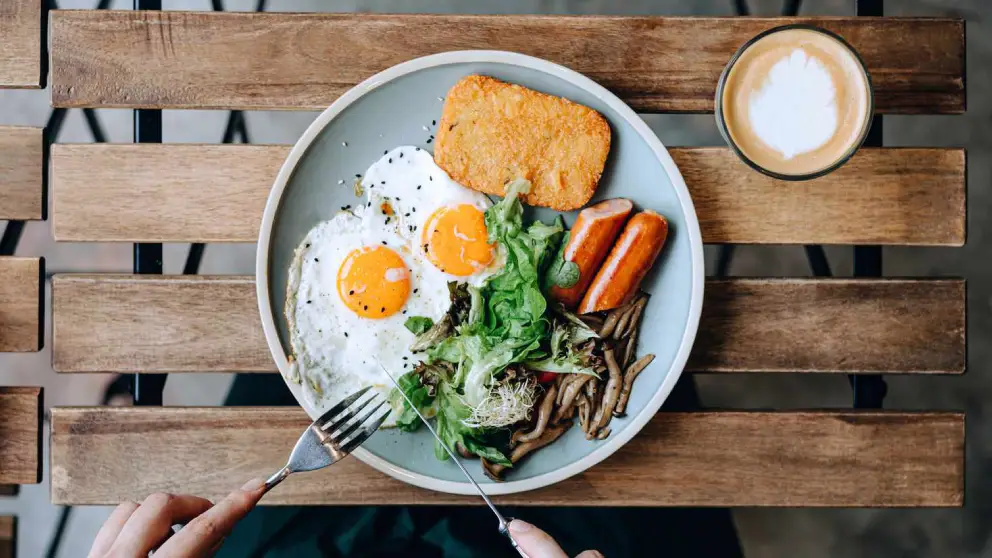
1. Processed Meats (Bacon and Sausage)
I know, I know. This is the hardest one to hear. Bacon and sausage are practically the kings of the breakfast table. But if you have high cholesterol, these processed meats are arguably the worst things you can put in your body.
Why are they bad?
Processed meats are loaded with saturated fats. This is the bad fat that directly raises your LDL (bad cholesterol) levels. On top of that, they are usually packed with sodium (salt), which can raise your blood pressure. It is a double-whammy for your heart. Even just two slices of bacon can take up a huge chunk of your daily saturated fat limit.
What to eat instead:
You don’t have to give up savory flavors! Try turkey bacon or chicken sausage. They usually have much less fat. Even better? Focus on plant-based proteins. A side of black beans or avocado toast can give you that savory, filling feeling without the grease.
2. Sugary Pastries (Donuts, Danishes, and Croissants)
Walking into a bakery smells like heaven, but for your cholesterol, it’s bad news. Many people grab a donut or a muffin on the way to work because it is quick and easy.
Why are they bad?
These treats are a triple threat. They are high in sugar, high in refined flour, and usually made with butter or shortening (trans fats).
When you eat that much sugar and refined carbs at once, your blood sugar spikes. Your body responds by creating more insulin, which can signal your liver to make more cholesterol. Plus, many store-bought muffins are huge sometimes three times the size of a normal serving!
What to eat instead:
If you need something bread-like in the morning, switch to whole grains. A slice of whole-wheat toast with a little almond butter is delicious. If you are craving something sweet, try a bowl of oatmeal topped with fresh berries and a drizzle of honey. Oatmeal acts like a sponge that soaks up bad cholesterol and removes it from your body.
3. Flavored Coffee Creamers and Fancy Lattes
You might not think of your coffee as food, but those calories and fats count. If you start your day with a Grand Vanilla Latte with whipped cream, or if you pour hazelnut creamer into your home brew, you are drinking a cholesterol bomb.
There’s more to life than simply increasing its speed.
By Udaipur Freelancer
Why are they bad?
Most non-dairy creamers are made with partially hydrogenated oils. That is a fancy word for trans fat the absolute worst type of fat for your heart. Trans fats raise your bad cholesterol and lower your good cholesterol. And those coffee shop drinks? They often use whole milk and sugary syrups that add unnecessary fat and calories to your morning.
What to drink instead:
Keep it simple. Drink your coffee black, or use a splash of low-fat milk. If you need a creamer, look for natural options made from almond or oat milk that have low sugar. You can add flavor with a dash of cinnamon or vanilla extract instead of sugary syrups.
4. Sugary Breakfast Cereals
Look at the box in your pantry. If the first ingredient is sugar or corn syrup, or if the cereal is brightly colored, put it back. Even cereals that claim to be healthy granola are often held together by honey, oil, and sugar.
Why are they bad?
Just like pastries, these are refined carbohydrates. They digest very quickly, leaving you hungry again in an hour. But more importantly, a diet high in added sugar is linked to lower levels of HDL (the good cholesterol) and higher triglycerides (fats in your blood).
What to eat instead:
Fiber is your best friend when fighting cholesterol. Switch to a high-fiber bran cereal or steel-cut oats. If that tastes too plain for you, add your own sweetness with sliced bananas, strawberries, or a handful of walnuts. Walnuts are actually great for your heart!
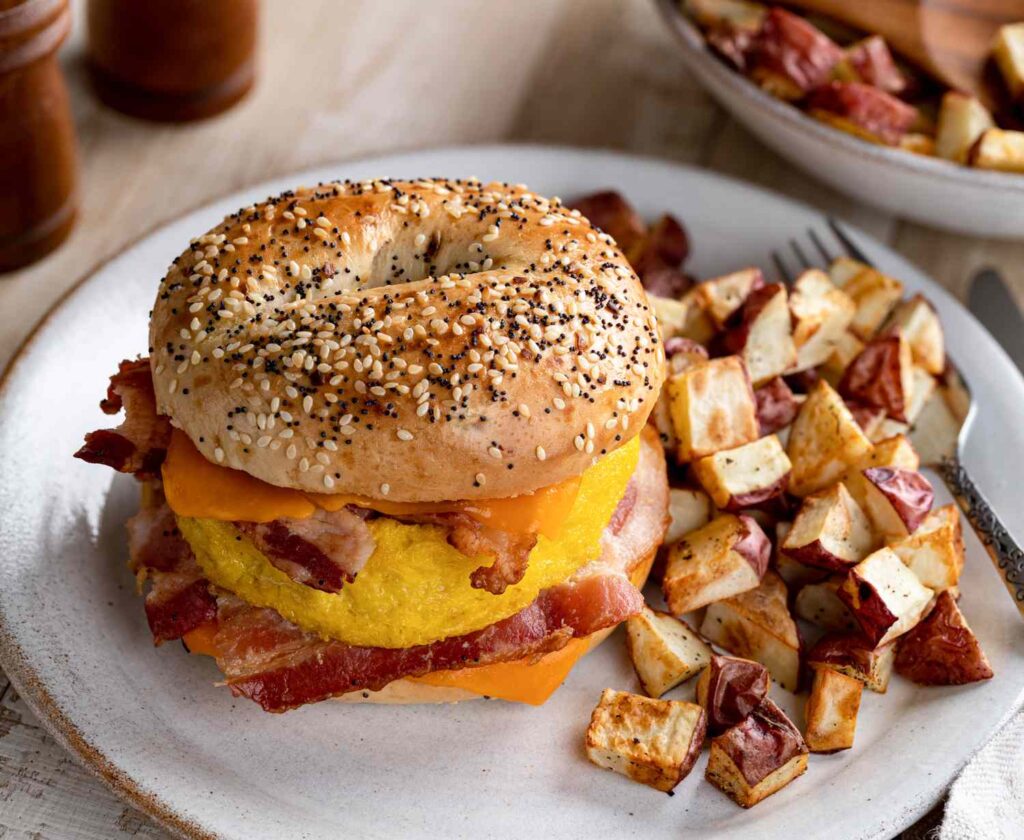
5. Fast Food Breakfast Sandwiches
We are all busy. Sometimes, swinging by the drive-thru is the only option. But that biscuit with egg, cheese, and bacon is a nightmare for your arteries.
Why are they bad?
These sandwiches are the ultimate combination of everything you should avoid: processed meat, processed cheese, white flour buns, and often a fried egg. A single sandwich can contain more saturated fat than you should eat in an entire day. They are also incredibly salty.
What to eat instead:
If you have to eat on the go, preparation is key. Make overnight oats in a jar the night before so you can grab it and run. Or, make your own breakfast sandwich at home using a whole-wheat English muffin, a slice of tomato, and egg whites. It takes 5 minutes and saves you money and your health.
The Bottom Line
Having high cholesterol doesn't mean your breakfast has to be boring, tasteless cardboard. It just means you have to be smarter about your choices.
The goal is to reduce Saturated Fats (found in meats and dairy) and Trans Fats (found in fried and processed foods), and replace them with Fiber (oats, fruits) and Healthy Fats (nuts, avocado).
Start by swapping out just one of these foods tomorrow morning. Your heart will thank you for it!

















Recommended for you
Must-See Art Exhibitions Around the World This Year
The Revival of Classical Art in a Digital Age
Breaking Down the Elements of a Masterpiece Painting
The Revival of Classical Art in a Digital Age