The world is standing on the precipice of a technological revolution. Artificial Intelligence (AI) is no longer a futuristic concept. it is actively reshaping industries, redefining entry-level roles, and dictating the future of work. To survive and thrive in this new era, nations must fundamentally rethink how they educate their youth.
When we look at two of the world’s largest student populations China and India a fascinating, yet concerning, divergence is taking place. While China is actively rewriting its classroom curriculum to prepare for the AI age, India seems remarkably stuck in a system that prioritizes rote memorization and chasing exam marks.
The gap between the two approaches is no longer theoretical. It is starting to show, and the consequences for the future global workforce will be massive.
The Chinese Reset: From Rote Learning to Capability Building
In 2021, China introduced a sweeping Double Reduction policy. On the surface, this move dramatically restricted private tutoring to ease the intense homework burden on students and cracked down on a booming, highly stressful off-campus academic training industry.
However, experts noted that this move signaled something much deeper, a complete reset in how learning itself is approached.
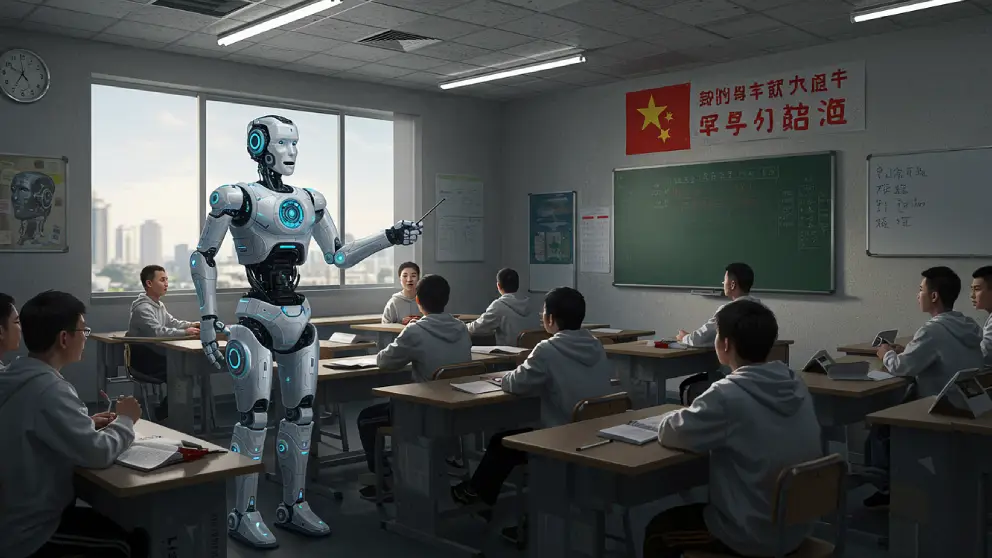
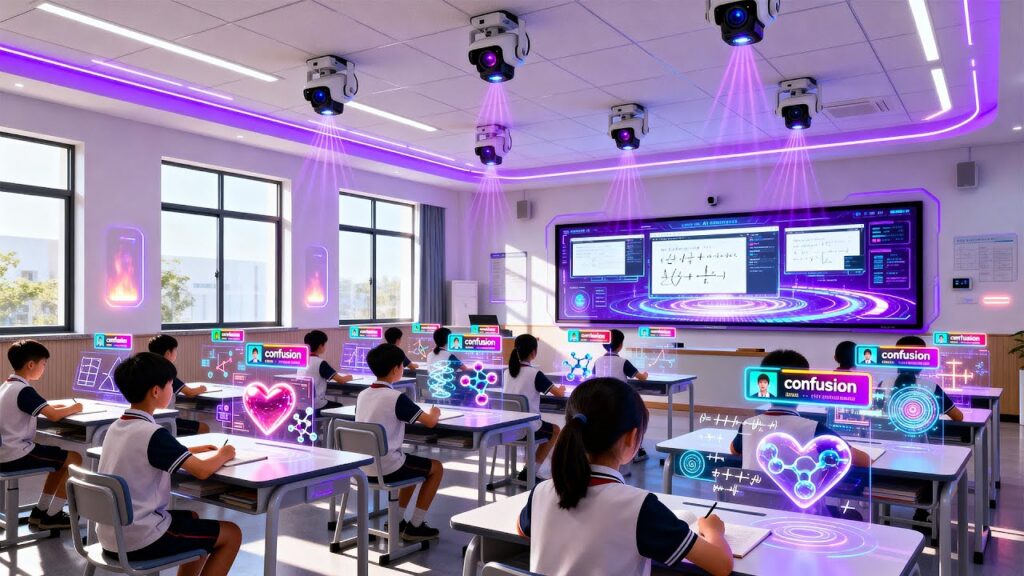
The strategy was simple but profound, reduce academic pressure, move away from excessive memorization, and bring the focus back to the core classroom. Since then, China has been steadily pushing toward application-based learning. They are aggressively integrating technology into teaching methodologies and aligning their educational outputs with long-term national priorities like tech, manufacturing, and advanced research.
As Rohan Dua, a research fellow, notes regarding the global education shift, “China is trying to move from a system that selects toppers to one that builds capabilities at scale.” The new emphasis is firmly on what a student can do in the real world, not just what they can recall on a piece of paper.
The Indian Dilemma: A System Trapped by Scale and Inertia
India, by contrast, is grappling with a very different beast: scale, inertia, and a deeply entrenched educational culture. With one of the largest youth populations in the world, any structural shift takes considerable time. Unfortunately, the real world is moving much faster than the Indian classroom.
In India, success is largely defined by a market-driven coaching economy. From the famous coaching hubs of Kota to Hyderabad and Delhi, the academic journey is defined by ranks, cut-offs, and high-stakes entrance exams.
This creates an incredibly narrow definition of achievement. As one Class 12 student aptly pointed out,'In my city, everything still feels like a race. Marks decide our college, our options, even how people judge'
Former School Education Secretary Vikas Gupta highlights that this approach is rapidly becoming outdated. The Indian system still heavily rewards memory over adaptability a strategy that may have worked in the industrial era, but is fundamentally flawed in the age of Generative AI.
The Employability Question India Cannot Ignore
The consequences of India’s obsession with marks over skills are already glaringly visible in the job market.
Consider this alarming statistic, India produces close to 9 lakh (900,000) engineers every year. Yet, a significant number of these graduates struggle to find roles that match their qualifications. Employers consistently point to a single, frustrating issue, graduates are academically qualified, but they are not job-ready.
There’s more to life than simply increasing its speed.
By Udaipur Freelancer
“Degrees are no longer enough,” says Sekar Viswanathan, a senior faculty member at the Vellore Institute of Technology. “We have to ask whether our students are being trained to solve problems or simply to pass exams.”
This disconnect is becoming sharper. A recent 'State of Working India 2023' report released by Azim Premji University revealed that about four in ten young students in India are struggling to find jobs, despite a rising access to higher education.
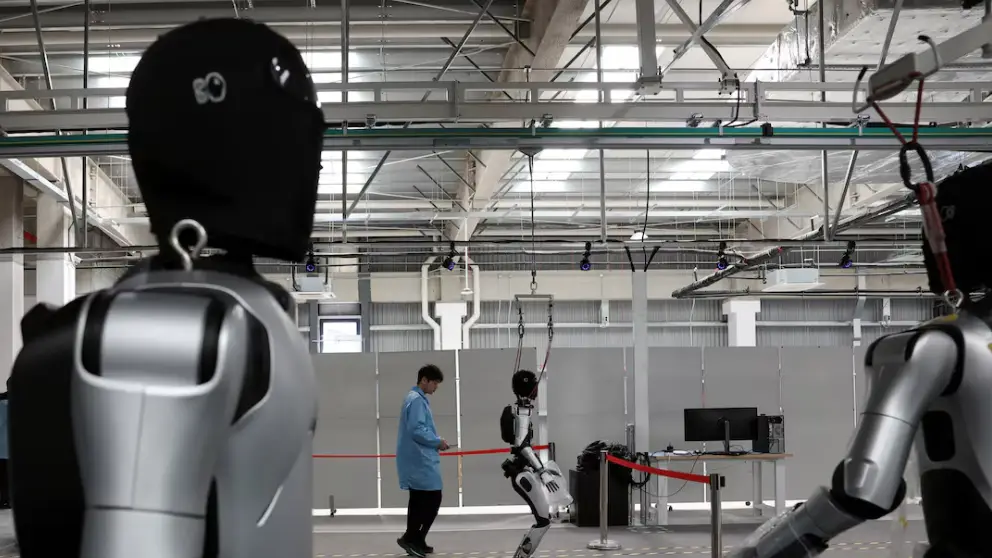
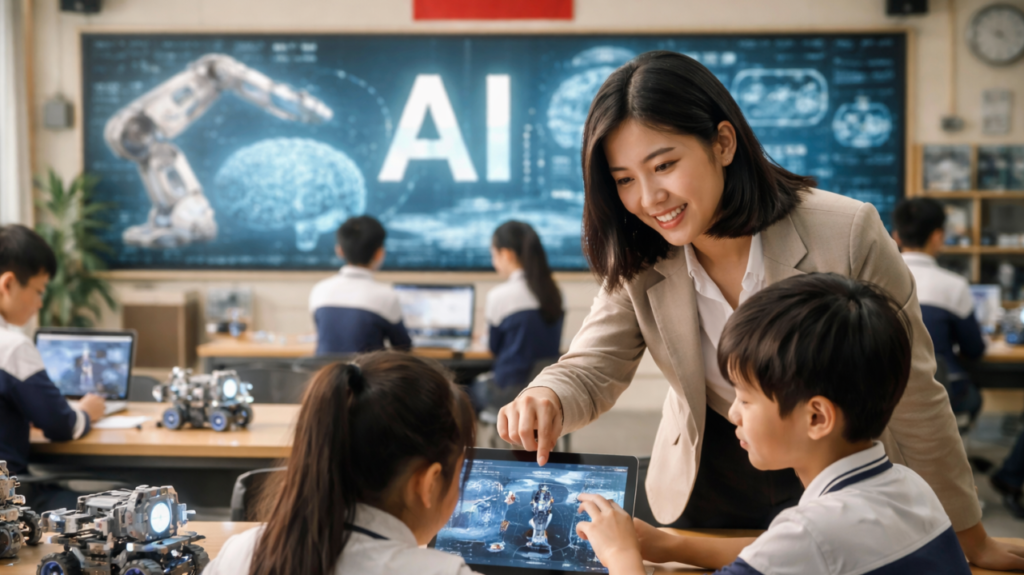
The root of the problem? Technology is evolving faster than Indian curricula. Skills are shifting, but the syllabus remains static. While China is introducing technology into classrooms as a tool to improve learning and expose students to real-world applications early on, India is lagging behind.
Two Versions of Success
At its core, the difference between the two massive educational systems is deeply philosophical:
In China, there is a state-led, gradual attempt to move towards application, problem-solving, and integration with actual industry needs.
In India, success remains closely tied to performance in standardized exams. The system continues to reward accuracy, speed, and the ability to reproduce textbook knowledge.
Neither system is without its flaws. China’s model is often criticized for being overly controlled by the state, while India’s is seen as hyper-competitive and market-driven. But it is the direction of change that stands out. One system is trying to move beyond exams, the other is still defined by them.
Is India Standing Still?
It would be unfair to say India is doing nothing. Policy frameworks such as the National Education Policy (NEP) 2020 are heavily pushing for multi-disciplinary learning, skill development, and greater flexibility. There is a clear, top-level recognition that the system needs to change.
However, the challenge lies in translating these ambitious policies into practice across such a vast, diverse, and unequal system. The digital divide means that exposure to new AI tools and modern skills remains highly uneven across different socio-economic groups and geographic regions. Better-resourced private schools are adapting, but the majority of the system remains slow to turn.
The Question That Lingers
Ultimately, the comparison between India and China is not about choosing which system is inherently better. It is about recognizing the undeniable direction in which global education is headed.
China has realized that the AI era requires thinkers, innovators, and problem-solvers, and is beginning to prepare its students for what comes next. India, tied down by a multi-billion dollar coaching industry and a societal obsession with marks, is still largely testing its youth on what came before.
As the nature of work continues to evolve at a breakneck pace, a difficult question becomes impossible to ignore: Are Indian students being prepared for the future, or are they being trained for a world that no longer exists?
What are your thoughts on the current education system? Do you think the focus on entrance exams is hurting the future workforce? Let us know in the comments below!
Udaipur Freelancer delivers high-quality web, marketing, and design solutions. We focus on building impactful digital experiences that help your brand succeed in today's market.















Recommended for you
Must-See Art Exhibitions Around the World This Year
The Revival of Classical Art in a Digital Age
Breaking Down the Elements of a Masterpiece Painting
The Revival of Classical Art in a Digital Age