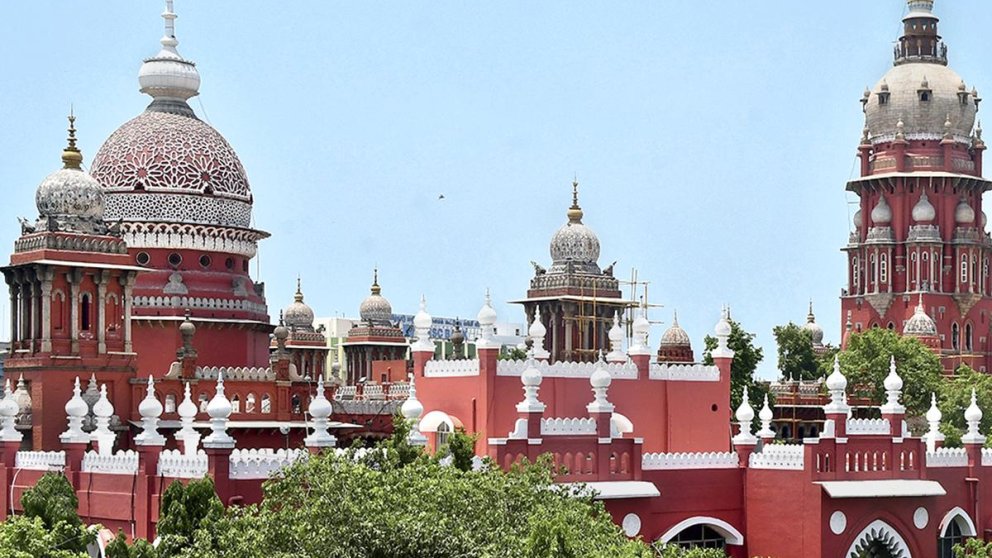
When we think about the dead, we usually think about peace and final rest. People believe that once a person passes away, their body should remain undisturbed forever. It is a belief shared by almost every culture around the world. We build graves, temples, and memorials to honor them and make sure they are never bothered. However, what happens when the resting place of a person causes trouble for the people who are still alive? This difficult question was recently answered by the Madras High Court in India.
What Did the Court Actually Say?
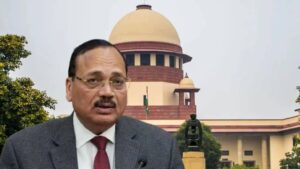
The Madras High Court made a very interesting and deep statement regarding this sensitive issue. The court stated that sometimes, in order to give peace to the living, the dead would have to be disturbed. This sounds shocking at first. How can moving or disturbing someone who has passed away bring peace to the living? The court was looking at real-world problems where bodies buried in certain places create legal fights, health concerns, or stop important public projects.
Legal matters in our society are complex, much like how policies change suddenly, similar to when governments pass many new rules in one day. When legal systems have to balance human emotions, public welfare, and ancient traditions, they must make hard choices. The court explained that while respecting the dead is very important, the rights, health, and peace of living human beings must also be protected.
Why Do Disputes Over Burial Sites Happen?
Burial disputes usually happen for a few main reasons. Sometimes, a person is buried on private land, and the owner of the land wants to sell it or use it later. In other cases, families fight over where their loved one should rest. There are also times when a grave is located in the middle of a growing city where new roads, hospitals, or schools need to be built. When public needs clash with private graves, the government often has to step in.
Just as cities must monitor public spaces and use modern tools like CCTV surveillance to stop illegal dumping, they also need clear rules for managing land and graves. Without proper laws and court guidance, people would constantly fight over land, making life very stressful for everyone involved.
There’s more to life than simply increasing its speed.
By Udaipur Freelancer
Balancing Respect and Reality
Respecting the dead is a sign of a civilized society. We must always remember those who came before us. But laws are made primarily for the living. If a grave is causing a major public health hazard or stopping a community from progressing, the law must find a fair solution. This does not mean we should disrespect anyone. It simply means that relocation must be done with great care, proper religious rites, and deep respect.
The ruling by the Madras High Court reminds us that life is full of difficult compromises. Sometimes, to heal the living and help society move forward, we have to make heartbreaking and tough decisions about the past. Courts exist to look at the big picture and ensure fairness for all.
Conclusion
The idea that the dead might need to be disturbed to bring peace to the living is certainly controversial. It forces us to think deeply about our traditions versus our modern needs. However, as our cities grow and our laws evolve, finding a balance between honoring our history and protecting our future is more important than ever. The Madras High Court has shown us that justice requires looking at every side of a problem, even the most sensitive ones.
Udaipur Freelancer delivers high-quality web, marketing, and design solutions. We focus on building impactful digital experiences that help your brand succeed in today's market.














Recommended for you
Must-See Art Exhibitions Around the World This Year
The Revival of Classical Art in a Digital Age
Breaking Down the Elements of a Masterpiece Painting
The Revival of Classical Art in a Digital Age