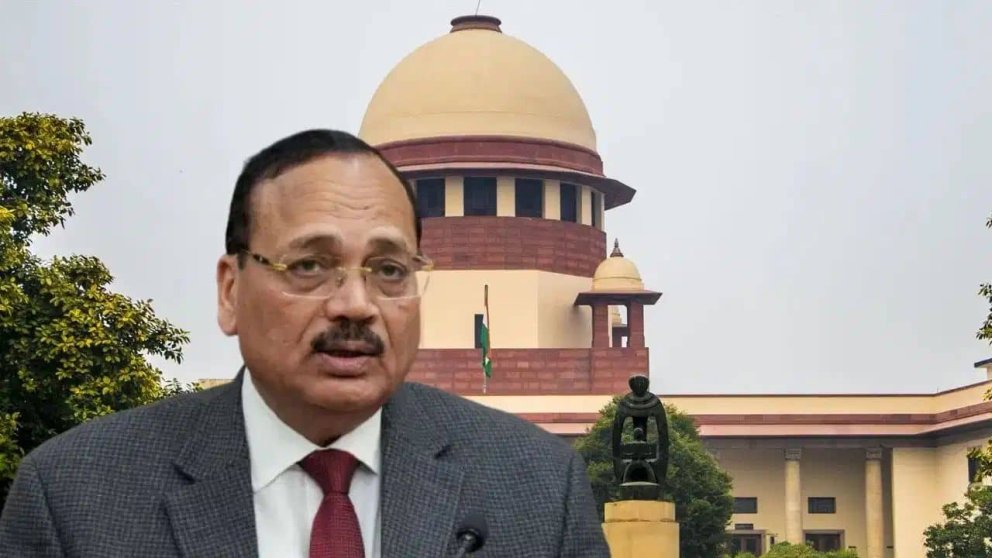
Trust is the foundation of any strong society. When people look at the courts, they expect fairness, honesty, and justice. Recently, the Chief Justice of India (CJI) shared a powerful message. He stated that the judiciary cannot earn public trust by shielding itself from scrutiny. This means that judges and courts must be open to being checked and questioned, just like any other public institution.
In a democracy, no one is above the law or above questions. The courts play a huge role in protecting our rights and freedoms. Because of this high responsibility, people must have full faith in how judges work. When the system hides from questions, doubt grows. Transparency is the only way to keep the public's confidence strong and healthy.
Why Scrutiny Matters for the Courts
Scrutiny is not a bad thing. It simply means looking closely at how things are done to make sure they are fair and correct. Just as other institutions face checks and balances, the justice system also needs them. Accountability helps to fix mistakes and stops corruption before it grows.
When the judiciary welcomes open reviews, it shows strength, not weakness. It tells the common people that the courts have nothing to hide. Just like public servants in other fields, such as those discussed in reports on distinguished service awards, accountability is key to holding a respected position in society. People want to know that the law treats everyone equally, from the highest official to the daily worker.
However, when courts try to avoid questions or block outside reviews, it sends the wrong signal. It makes people wonder if something is being hidden. Trust is hard to build and very easy to lose. Once lost, it takes a long time to win back.
The Challenge of Balancing Independence and Accountability
One of the biggest arguments in the legal world is keeping the judiciary independent. Judges must be free to make decisions without political pressure or fear. This independence is vital so they can give fair rulings without outside interference. But independence does not mean total isolation.
There’s more to life than simply increasing its speed.
By Udaipur Freelancer
There is a fine line between protecting judicial independence and ensuring accountability. Judges should be free from interference in their legal judgments, but the administrative side of the courts and the behavior of officials should always be open to review. Legal challenges, much like those seen in various disputes involving police association orders and court pleas, show that people always look to the legal system to settle fairness issues. Therefore, the system itself must lead by example.
If the judges themselves refuse to face questions about their own workings, it creates a double standard. The public will start to question the fairness of the entire system. True strength comes from welcoming constructive feedback and working openly.
Building a Stronger Future Through Openness
Moving forward, the judiciary must take active steps to become more transparent. This includes clearer processes, open communication, and accepting that criticism is a part of public service. When people feel heard and see that the courts are honest, their trust naturally grows.
Democracy thrives on light, not darkness. By letting go of the need to shield itself from honest reviews, the judiciary can become a stronger and more respected pillar of society. The CJI's words are a wake-up call that true respect is earned through openness and integrity, not by hiding behind closed doors.















Recommended for you
Must-See Art Exhibitions Around the World This Year
The Revival of Classical Art in a Digital Age
Breaking Down the Elements of a Masterpiece Painting
The Revival of Classical Art in a Digital Age