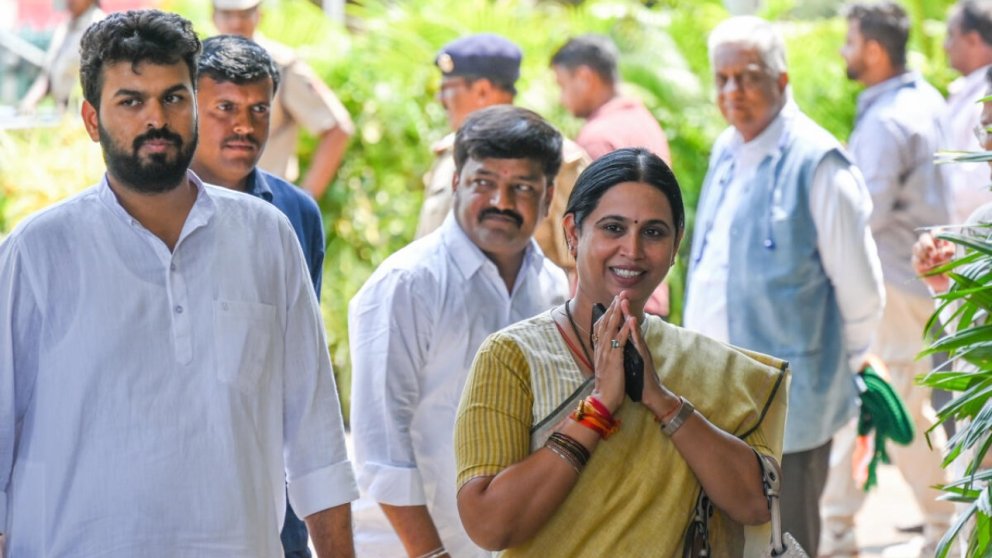
Politics in India is changing fast, but some traditional patterns take a very long time to break. In Karnataka, people have been talking about a key missing piece in the state leadership. The long wait for a woman Minister in Karnataka has become a major topic of debate among voters, social workers, and political experts. Even though female voters turn out in huge numbers during every election, their representation in top government posts remains surprisingly low.
When a new government forms or expands its cabinet, everyone looks at the list of new ministers. People hope to see diverse leaders who represent all parts of society. However, when women are left out of the state cabinet, it creates a big gap in decision-making. Democracy works best when both men and women share power and make laws together.
Why Having Women in the Cabinet is Important
Having women in power is not just about numbers or showing fairness. It is about bringing different experiences to the table. Women leaders often bring focus to very important issues like public health, female education, child care, and local safety. When a cabinet lacks female ministers, these issues might not get the high priority they deserve.
Furthermore, female ministers act as role models for millions of young girls across the state. When young girls see a woman running a government department, they believe that they can also grow up to become leaders. Without women in visible ministerial posts, it sends a bad message that political power is only meant for men.
The History of Female Representation in Karnataka
Karnataka has a rich political history with many strong leaders. Yet, the state assembly has consistently seen a low percentage of female members of legislative assembly (MLAs). Over the decades, only a small number of women have won seats in the state elections. Out of those few who win, even fewer are given minister roles in the cabinet.
Even when a woman is appointed as a minister, she is often given charge of smaller departments like Women and Child Welfare. While those departments are very important, women are rarely given core portfolios like Finance, Home Affairs, or Public Works. The demand today is not just for any ministry, but for powerful positions where real state policies are created.
Comparing Politics Across Indian States
Gender dynamics in Indian politics vary from state to state. In some states, women have held top leadership positions for years. However, high-profile politics can be unpredictable and full of intense rivalry. For example, analyzing regional political shifts and news like why Mamata Banerjee lost Bhabanipur seat shows how complicated political journeys can be for top women leaders in India.
In Karnataka, political parties often give excuses about political balance, caste math, and regional demands when selecting cabinet ministers. They claim that cabinet seats must be given to senior male leaders to keep the government stable. But critics argue that gender balance should be given equal importance alongside regional and caste balance.
There’s more to life than simply increasing its speed.
By Udaipur Freelancer
Public Perception and Media Attention
In today's fast-paced news cycle, public perception is heavily influenced by how issues are reported. When important cases or political events happen, the media scrutinizes every step. Just like in legal and media developments where public interest peaks when Siya Goyal denies counsel Ketan Agarwal case details, public attention in Karnataka is currently focused on how political parties handle fairness and equality inside their own ranks.
Citizens are now asking tough questions on social media and public forums. They want to know why capable women lawmakers are overlooked during cabinet reshuffles. Political promises about women empowerment sound weak if the government itself fails to include women in its executive team.
Overcoming Challenges Faced by Women Politicians
Women who enter politics face many hidden barriers. First, political parties often hesitate to give election tickets to female candidates, claiming they have lower chances of winning. Second, the cost of fighting elections has gone up, making it harder for independent women candidates to compete without strong party backing.
Third, political campaigns require long hours and travel, which can be tough for women who carry heavy family responsibilities at home. To change this system, major political parties must give more tickets to female candidates in every election. If more women enter the assembly, the government will naturally have more qualified women to pick for cabinet posts.
The Path Forward for Karnataka
The wait for a woman minister in Karnataka needs to end permanently. True progress is not just about economic growth or new infrastructure; it is also about social justice and equality in government power. The leadership of Karnataka must show political courage and give deserving women lawmakers top cabinet roles.
When women sit at the highest decision-making tables, the whole state benefits. Policies become more inclusive, public trust grows, and democracy becomes stronger. It is time for Karnataka to lead by example and give women the political leadership space they truly deserve.












Recommended for you
Must-See Art Exhibitions Around the World This Year
The Revival of Classical Art in a Digital Age
Breaking Down the Elements of a Masterpiece Painting
The Revival of Classical Art in a Digital Age