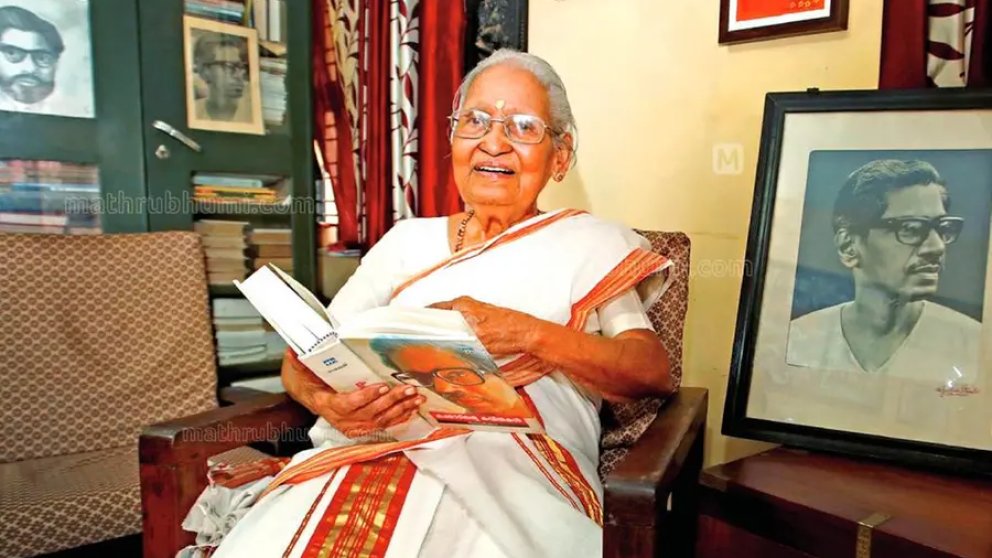
India won its freedom because thousands of brave men and women gave up their personal comfort. Many of these freedom fighters followed the peaceful path shown by Mahatma Gandhi. One such noble soul from Kerala was Raghavji. He spent his entire life practicing truth, simplicity, and service. Yet today, his memory and the places connected to his life lie largely forgotten in Shoranur.
History often remembers famous leaders while quietly forgetting the local heroes who worked tirelessly at the grassroots level. Raghavji was a true Gandhian who did not care about fame or power. He believed in community upliftment, spinning khadi, and living peacefully. Today, his legacy deserves attention before it fades completely from public memory.
Who Was Freedom Fighter Raghavji?
Raghavji was deeply moved by the call for independence. When Mahatma Gandhi visited Kerala during the freedom struggle, thousands of young people were inspired to join the national movement. Raghavji was one of those devoted followers who chose to make Gandhi's philosophy his daily way of living.
Unlike people who joined politics for personal gain, Raghavji dedicated himself to social reform. He worked among the poor, helped bridge social divides, and encouraged self-reliance. For him, freedom did not just mean getting rid of colonial rulers. It meant creating a society where every human being lived with dignity and self-respect.
A Life Built on True Gandhian Ideals
Living according to Gandhian values is not easy. It requires discipline, patience, and deep moral courage. Raghavji embraced these principles wholeheartedly throughout his life.
He promoted khadi, the hand-spun cloth that became a symbol of Indian self-reliance. He believed that village industries were the real backbone of India's economy. Raghavji also worked hard to remove untouchability and uplift marginalized communities in and around Palakkad district.
Even after India gained independence in 1947, Raghavji did not seek comfortable government positions or high titles. Instead, he stayed close to the people in Shoranur, living in modesty and quietly serving anyone who needed help.
The Sad State of Neglect at Shoranur
Shoranur is an important cultural and transport hub in Kerala, famous for its railway junction and proximity to Kerala Kalamandalam. However, the physical spaces and memories associated with Raghavji in Shoranur now face deep neglect. Old structures where constructive work took place are in ruin, and younger generations know very little about his sacrifices.
Local historians and elderly residents often express sadness over how quickly we forget our real heroes. While state authorities focus on building new civic projects, historical preservation often gets left behind. For instance, society pays close attention when an engine failure leaves ro-ro ferry adrift off Kochi or when sudden urban crises occur, but the slow decay of our cultural heritage rarely makes headlines.
Why Preserving Local History Is Vital
Remembering figures like Raghavji is not just about looking backward. It gives the modern world valuable lessons on living simply and ethically. In an age driven by consumerism and fast-paced living, the Gandhian model of peace and sustainability is more relevant than ever.
There’s more to life than simply increasing its speed.
By Udaipur Freelancer
When we preserve the homes, memorials, and writings of freedom fighters, we give future generations a tangible connection to their roots. Without these physical reminders, valuable history turns into mere folklore and eventually disappears.
Public investment must balance modern growth with heritage conservation. Just as citizens celebrate when the health minister inaugurates development projects to improve public welfare, equal energy should go into honoring the individuals who sacrificed their lives to build the nation.
How We Can Restore Raghavji's Memory
Restoring Raghavji's legacy does not require massive funds. It requires sincere will from the community and local authorities. Here are practical steps that can be taken:
1. Build a Memorial or Study Center: A simple library or study center in Shoranur can introduce school children to Raghavji's life and Gandhian thought.
2. Include Local History in Schools: Textbooks often cover national leaders, but local syllabi should teach students about regional freedom fighters who lived right in their neighborhoods.
3. Preserve Historical Artifacts: Any documents, charkhas, or personal belongings related to Raghavji should be cataloged and preserved in a protected space.
Conclusion
Raghavji's life was a shining example of selfless duty. He walked the path of Mahatma Gandhi with pure devotion and stayed committed to the welfare of ordinary people. It is our collective duty to ensure that his legacy at Shoranur is revived and protected for years to come.












Recommended for you
Must-See Art Exhibitions Around the World This Year
The Revival of Classical Art in a Digital Age
Breaking Down the Elements of a Masterpiece Painting
The Revival of Classical Art in a Digital Age