A Major Defense Event in Kochi
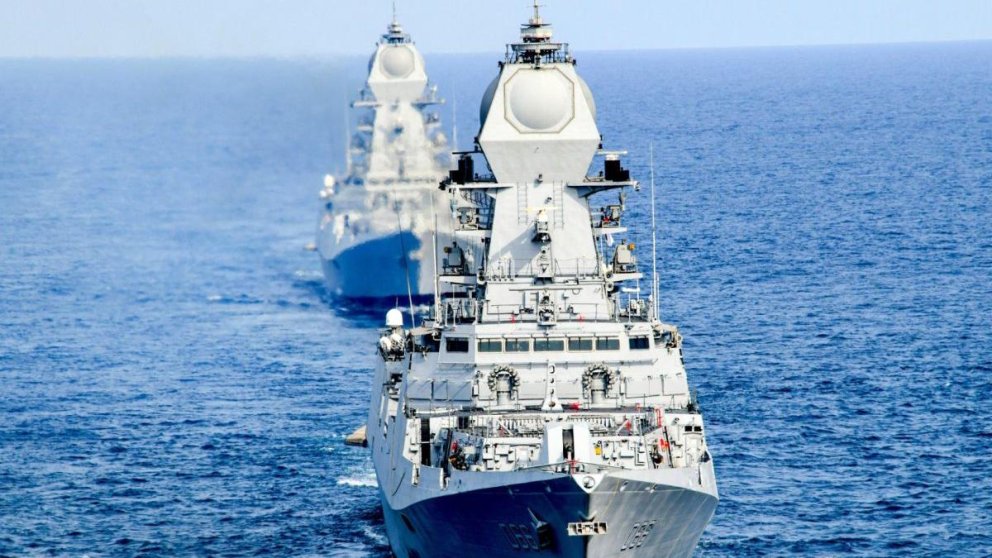
The navies of India and the United States are joining hands for a special military exercise in Kochi, Kerala. This event focuses on Explosive Ordnance Disposal, which is often called EOD. Naval experts from both countries will meet to train together, share knowledge, and practice dangerous bomb-handling operations.
This joint exercise highlights the growing cooperation between India and the United States. Over the years, both nations have built a strong security relationship. By coming together in Kochi, they aim to boost maritime safety and strengthen peace across key ocean routes.
Understanding Explosive Ordnance Disposal (EOD)
Explosive Ordnance Disposal is a critical skill for military forces worldwide. EOD specialists are trained to locate, identify, render safe, and dispose of dangerous explosive devices. These explosives can include unexploded bombs, underwater mines, landmines, and improvised explosive devices.
In naval warfare, underwater mines and unexploded bombs pose a huge threat to commercial ships and military vessels. EOD divers go deep into the water to clear these hazards. Because underwater work is full of risks, constant practice and updated skills are necessary for every navy.
What Will Happen During the Kochi Naval Exercise?
The exercise in Kochi will involve specialized personnel from both the Indian Navy and the U.S. Navy. They will conduct drills in real-world scenarios, both on land and under the sea. Teams will use advanced equipment, robotic devices, and specialized tools to locate hidden explosives safely.
In addition to physical training, experts will host workshops and knowledge-sharing sessions. Navy officers will discuss the newest tactics, safety procedures, and technological tools used in bomb disposal. Working together helps both forces understand how each other operates in high-pressure situations.
Why the Indo-Pacific Region Matters
The Indian Ocean and the broader Indo-Pacific region carry a massive amount of global trade every single day. Ensuring that sea lanes remain safe from explosive threats and maritime terrorism is a top priority for international partners. When navies train together, they can respond much faster to unexpected emergencies.
Security challenges in the modern world are complex and fast-changing. Understanding security risks around the globe, such as discussions about australian extremists philippines mindanao terror link, reminds us why defensive readiness is so essential today. Joint drills help build tactical skills and strong trust between friendly nations.
Strengthening India-US Naval Relations
The relationship between the Indian Navy and the U.S. Navy has grown remarkably in recent years. Through regular joint exercises like Malabar and targeted events like this EOD exercise, both countries demonstrate their commitment to a free, open, and secure ocean realm.
India’s global importance continues to reach new heights across defense, culture, and economic sectors. Just as famous international creators recognize the country's huge cultural impact, such as how christopher nolan loves indian audiences, world leaders also view India as a primary partner for regional stability and defense cooperation.
The Role of Kochi as a Naval Hub
Kochi serves as the headquarters of the Indian Navy's Southern Naval Command. It is one of the most strategic maritime bases in India, fully equipped with training schools, deep-water ports, and advanced naval facilities. Hosting the joint EOD exercise in Kochi provides an ideal environment for complex drills.
There’s more to life than simply increasing its speed.
By Udaipur Freelancer
Local naval units will work closely alongside their American counterparts. This creates valuable learning opportunities for younger officers and specialists who are developing their technical skills in explosive disposal.
Key Benefits of Joint EOD Exercises
Joint military exercises offer many practical advantages for all participants involved:
1. Interoperability: Navies learn to communicate smoothly, share digital data, and use common procedures during emergencies.
2. Technology Sharing: Both teams can examine advanced bomb-defusing robots, modern sonar tools, and protective suits.
3. Enhanced Safety: Disarming explosives is dangerous work. Sharing best practices reduces human error and keeps naval divers safe.
4. Stronger Alliances: Training side-by-side builds personal bonds and mutual respect between naval personnel.
Looking Ahead to Future Exercises
As the joint EOD exercise in Kochi wraps up, both navies will take away valuable lessons to improve future operations. These continuous efforts highlight how military partnerships protect global shipping lanes, keep oceans safe, and strengthen international peace.
With threats constantly evolving on land and at sea, joint training exercises will remain a central pillar of defense strategy for both India and the United States in the years ahead.














Recommended for you
Must-See Art Exhibitions Around the World This Year
The Revival of Classical Art in a Digital Age
Breaking Down the Elements of a Masterpiece Painting
The Revival of Classical Art in a Digital Age