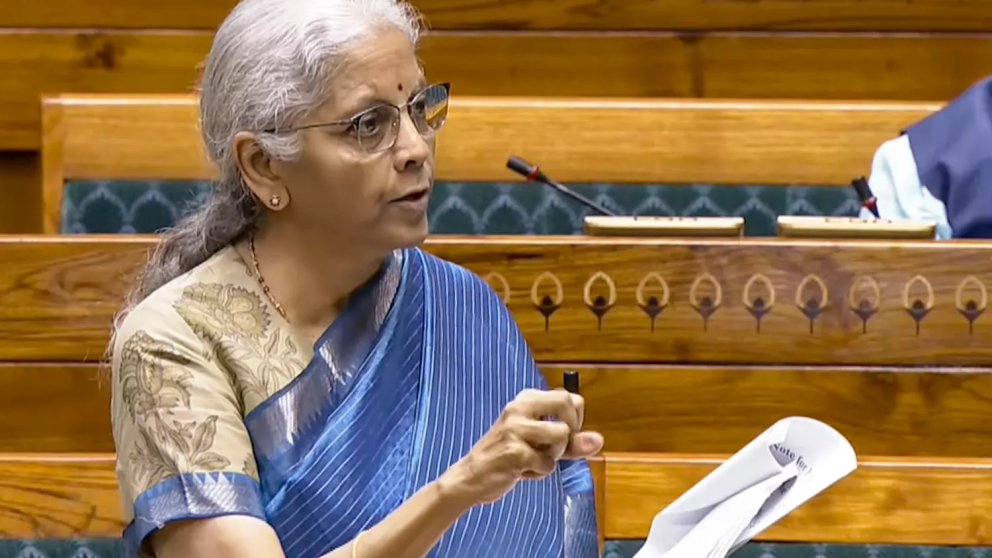
The Indian Parliament has taken a big step in managing the nation's finances. The Rajya Sabha recently cleared the Appropriation Bill. This bill allows the central government to spend ₹54,067 crore from the Consolidated Fund of India. This money is meant to cover additional government expenses for the current financial year. Understanding how public money is approved and spent is important for every citizen.
What is an Appropriation Bill?
Under the Indian Constitution, the government cannot spend any money from the Consolidated Fund without the approval of Parliament. The Appropriation Bill is a special piece of legislation that gives the government legal permission to withdraw funds. When the government finds that it needs extra funds beyond what was originally budgeted, it presents supplementary demands for grants. Once Parliament approves these grants, an Appropriation Bill is passed to finalize the process.
The Lok Sabha passes the bill first because financial matters start in the lower house. After that, the bill goes to the Rajya Sabha for discussion. Once the Rajya Sabha returns or clears the bill, the government gets the green light to use the allocated funds for public spending.
Where Will the Money Go?
The approved sum of ₹54,067 crore will support various government ministries, public services, and national welfare projects. Part of these funds will go toward public infrastructure projects like building roads, upgrading railways, and improving urban spaces. Infrastructure development helps boost economic growth and creates new jobs across different sectors.
A significant portion of government spending is also directed toward rural development, agriculture, health, and education. When central and state governments work together on public initiatives, social welfare improves dramatically. For instance, state-level initiatives such as the Maharashtra Women Farmers Empowerment Bill highlight how targeted policies and funding can transform rural lives and support hardworking communities.
Union and State Financial Relations
The spending approved by Parliament often impacts states directly. Many central schemes are implemented through state governments, requiring smooth financial cooperation between the Union government and individual states. Discussions around financial distribution and administrative balance are crucial for effective governance.
For those interested in how state governments interact with central financial policies, reports like the TN govt releases English report on Union-State relations provide valuable insights. These reports explain how resource sharing works and why balanced financial support is essential for regional development across India.
There’s more to life than simply increasing its speed.
By Udaipur Freelancer
Why Parliament Approval is Essential
Democracy relies on a system of checks and balances. Allowing Parliament to review and clear spending bills ensures that taxpayer money is used responsibly. Members of Parliament discuss, debate, and question spending proposals before approving them. This process creates transparency and holds the government accountable to the public.
When the Rajya Sabha clears an Appropriation Bill, it confirms that the spending plan has undergone careful parliamentary examination. It assures citizens that public money is being allocated according to constitutional rules and planned national priorities.
What Happens Next?
With the parliamentary clearance complete, the bill goes to the President of India for assent. Once signed, the ministries can access the allocated ₹54,067 crore and execute their planned projects. Ministries will track how the money is spent to ensure projects are completed on time and within budget.
In summary, the clearance of the ₹54,067 crore Appropriation Bill by the Rajya Sabha is a routine yet essential part of governance. It ensures that essential public services keep running smoothly and that key economic and social development projects receive the funding they need.















Recommended for you
Must-See Art Exhibitions Around the World This Year
The Revival of Classical Art in a Digital Age
Breaking Down the Elements of a Masterpiece Painting
The Revival of Classical Art in a Digital Age