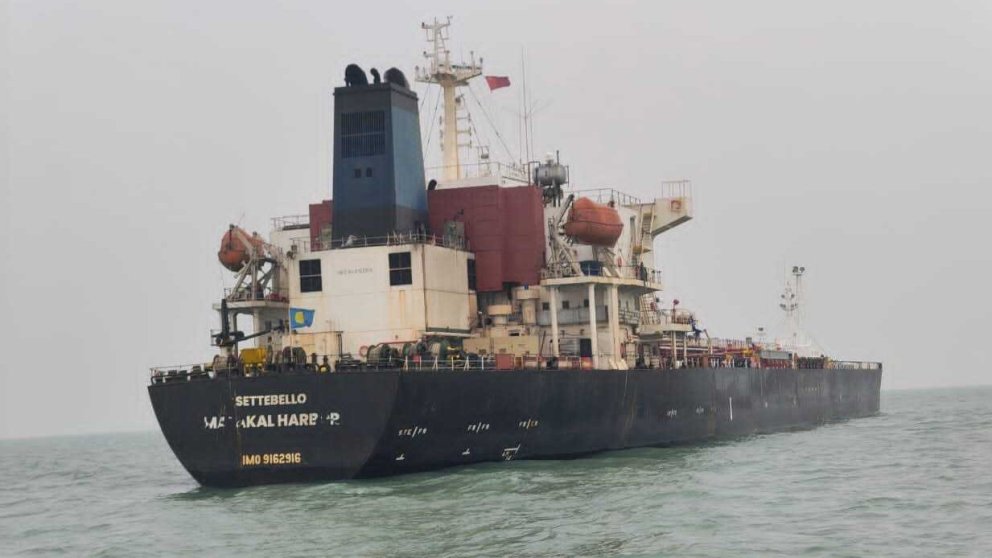
A major incident recently took place in the Middle East. A large oil tanker was hit by a flying object, known as a projectile, near the Strait of Hormuz. This area is one of the most important pathways for shipping oil in the entire world. However, what makes this story even more interesting is that the ship was operating in what experts call "dark mode" when the attack happened.
What Does It Mean to Go Dark?
When a ship is out at sea, it usually has a special tracking system turned on. This system is called the Automatic Identification System, or AIS for short. AIS sends out signals to satellites and other ships. It tells everyone the ship's name, where it is, how fast it is going, and where it is headed. This helps prevent collisions and allows maritime authorities to keep track of sea traffic.
Operating in "dark mode" means the crew turned off this tracking system on purpose. When a ship turns off its AIS, it disappears from the global tracking screens. It becomes a ghost ship on the digital map. No one can see where it is unless they look at it with physical radars, cameras, or with their own eyes from another ship.
Why Do Ships Use Dark Mode?
There are a few big reasons why a ship captain might decide to turn off the tracking system. The first reason is safety. If a ship is traveling through a dangerous area where pirates or military groups might attack, the captain might think it is safer to go invisible. If the attackers cannot track the ship online, they might not be able to find it and hit it.
The second reason is to hide secret or illegal activities. Sometimes, ships turn off their tracking systems to hide where they are getting their cargo. For example, they might want to buy oil from a country that has trade limits, also known as sanctions. By going dark, they hope the global police and governments will not notice them trading with banned nations.
In addition to safety and bypassing trade bans, some ships go dark to save money on fees or to hide their exact trade routes from business competitors. In the global shipping industry, knowing where a competitor's vessel is can give other companies a business advantage. However, doing this puts everyone on the ship at risk. The maritime industry relies on trust and sharing information to keep the seas peaceful and productive.
The Incident Near the Strait of Hormuz
In this latest event, the tanker was moving through the waters near the Strait of Hormuz. This strait is a narrow passage of water between the Persian Gulf and the Gulf of Oman. A huge portion of the world's oil passes through here every single day. Because it is so narrow, it is a very tense area. Many countries keep a close eye on it.
The tanker was struck by a projectile, which could have been a drone or a small missile. Thankfully, the damage was not enough to sink the vessel, but it raised many alarms. Because the ship was in dark mode, finding out exactly what happened was much harder. Authorities could not immediately see where the ship was when the strike occurred, which delayed response efforts.
The Strait of Hormuz is also a place where many naval forces patrol, including the United States Navy and various regional fleets. When a ship goes dark in this area, it does not just hide from enemies; it also hides from these friendly patrol forces. If a ship gets into trouble or is attacked while its tracking is turned off, the nearby military ships cannot locate it quickly to offer help or defense. This makes dark mode a very high-risk choice for any captain.
There’s more to life than simply increasing its speed.
By Udaipur Freelancer
The Great Danger of Hiding at Sea
While going dark might seem like a good way to hide from enemies, it actually creates massive safety risks. When other large ships cannot see you on their screens, the chance of a terrible crash increases. It is very much like driving a car at night without any headlights on. You might hide from people you do not want to see, but you also make it highly likely that someone else will crash into you.
These dangers are similar to the ones we see on land when proper safety measures are ignored. For example, local communities often complain about road hazards, such as the nh-66 safety issues kozhikode road risk, where lack of proper signs and safety structures puts many lives in danger. At sea, turning off the AIS is like turning off all safety signs on a busy highway.
Geopolitical Tensions in the Region
This attack did not happen in a vacuum. The Middle East has been facing high political tensions for many years. Countries in the region are often arguing over power, resources, and alliances. Any small event near the Strait of Hormuz can trigger a much larger conflict. Whenever a ship is attacked, people worry that it might lead to a war or a major block in the global oil supply.
There are constantly rumors and secrets spreading about the leaders of these countries. For instance, people often talk about political changes and health issues, like the recent mojtaba khamenei coma rumors that have circulated in regional news. When governments are unstable or dealing with internal secrets, the security of local waters often gets much worse.
What Happens Next?
Global trade groups and governments are now calling for stricter rules regarding ship tracking systems. They believe that ships should not be allowed to turn off their AIS unless there is an extreme and immediate danger. If ships continue to travel in dark mode, more accidents and unexplained attacks are bound to happen.
For now, the investigation into who launched the projectile at the tanker is still ongoing. Maritime security companies are advising all vessels to use extreme caution when passing through the Strait of Hormuz. It is clear that the sea is becoming a more dangerous place, and hiding in the dark may not be enough to keep these giant ships safe anymore.













Recommended for you
Must-See Art Exhibitions Around the World This Year
The Revival of Classical Art in a Digital Age
Breaking Down the Elements of a Masterpiece Painting
The Revival of Classical Art in a Digital Age