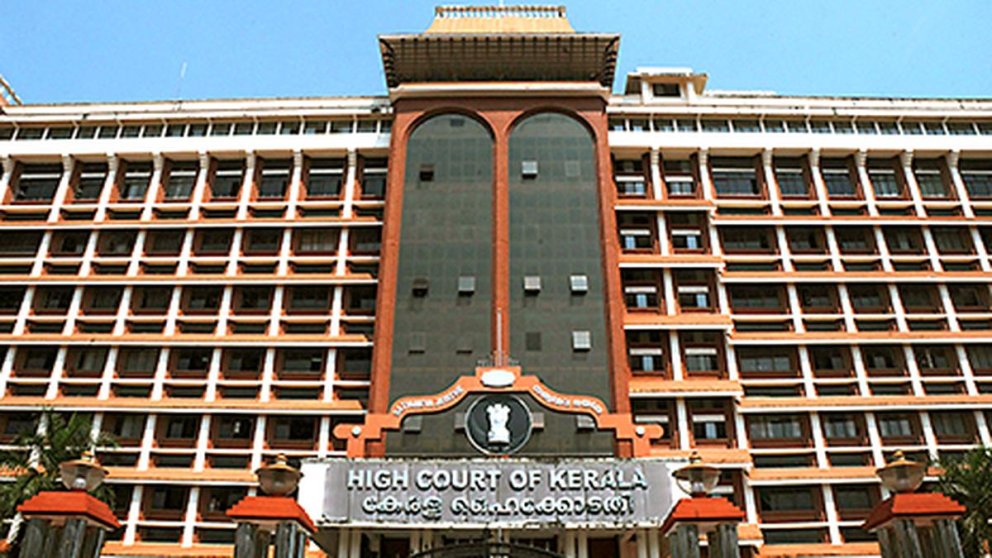
The Kerala High Court has issued a firm directive to the Kerala State Government regarding public safety and legal infrastructure. The court directed the state administration to operationalise the long-promised NDPS courts without any further delay. NDPS stands for Narcotic Drugs and Psychotropic Substances. These special courts are specifically designated to hear and resolve cases involving illegal drug possession, trafficking, and distribution. As drug-related crimes continue to pose a threat, setting up these specialized courts quickly is vital for effective legal action.
Why Kerala Urgently Needs Special NDPS Courts
In recent years, drug abuse and narcotics trafficking have emerged as major concerns across Kerala. Police and law enforcement agencies regularly seize illicit substances and arrest offenders. However, standard criminal courts in the state are already overburdened with thousands of pending trials. When drug cases are routed through normal courts, the legal process slows down tremendously, causing cases to drag on for years.
When trials suffer long delays, accused individuals may secure bail and re-enter illicit supply networks. Over time, key evidence can deteriorate, and witnesses may forget critical details or face intimidation. Dedicated NDPS courts solve this issue by focusing exclusively on narcotics cases. This special focus allows judges to clear backlogs efficiently and ensure that justice is delivered swiftly.
Details of the High Court Directive
The Kerala High Court emphasized that policy promises made by the state must be fulfilled on time. The government had previously agreed to establish these special courts to handle the rising volume of drug offenses. However, progress on setting up physical courtrooms, appointing specialized staff, and delegating judicial officers moved at a sluggish pace. Deeply concerned by this administrative delay, the High Court instructed the government to remove all obstacles immediately.
Operating a new judicial tribunal requires proper planning, budget allocation, functional office space, and dedicated judicial staff. The High Court urged seamless coordination between various government departments so that these courts become fully operational within the specified timeframe. The court noted that public welfare cannot be compromised while paperwork lingers in bureaucratic channels.
The Role of Courts in Ensuring Public Welfare
The judiciary frequently steps in when systemic delays endanger public safety and law enforcement efficiency. Fast-tracked trials not only punish illegal drug cartels but also act as a strong deterrent for potential offenders. Similar judicial interventions focused on society's well-being can be observed in the recent Supreme Court stray dogs public safety ruling, which highlights how top courts act decisively to protect citizens.
When specialized judicial bodies start functioning on schedule, police forces gain confidence because their investigation efforts yield timely convictions. Prompt justice strengthens public trust in the legal system and deters criminal networks from operating freely.
There’s more to life than simply increasing its speed.
By Udaipur Freelancer
State Accountability and Effective Administration
Good governance relies heavily on fulfilling legal obligations and building necessary public infrastructure. When state authorities pledge resources for legal reforms, executing those commitments promptly is essential. The Kerala High Court's order serves as an important reminder that executive bodies must remain accountable to their public promises.
Understanding how legal mandates interact with public policy is important for citizens, legal experts, and civil service aspirants alike. Studying real-world governance challenges is essential, much like the dedication demonstrated in Anuj Agnihotri UPSC 2025 topper story, where future administrators learn the significance of turning judicial directives into effective ground-level reality.
What Comes Next for Kerala's Judicial Infrastructure?
Following the High Court directive, the Kerala State Government must expedite the operational tasks. This includes securing physical locations, establishing digital networks, hiring administrative personnel, and assigning judicial officers. If these measures are completed promptly, the new NDPS courts will soon start hearing cases directly.
Overall, the Kerala High Court's timely directive marks a decisive move toward improving criminal justice and fighting the drug menace. Swift trials are crucial for shielding youth from substance abuse and dismantling drug syndicates. Everyone now expects the state administration to meet its deadlines and make these special courts fully operational without further delay.















Recommended for you
Must-See Art Exhibitions Around the World This Year
The Revival of Classical Art in a Digital Age
Breaking Down the Elements of a Masterpiece Painting
The Revival of Classical Art in a Digital Age