For many years, the countries of South Asia have been divided by old politics and past conflicts. Governments have often focused on differences rather than what brings people together. However, a big change is happening right now across the region. Young people in India, Pakistan, Bangladesh, Nepal, and Sri Lanka are starting to speak up together. They are showing the world that the new generation wants peace, jobs, and a better future instead of division and hatred.
A New Wave of Youth Movements
The recent wave of youth action in India was started by a student movement under the name Cockroach Janta Party (CJP). Young students and citizens took to the streets to raise their voices about issues that matter to them. They were worried about education, jobs, and how the government treats ordinary people. But this was not an isolated event. It was part of a larger trend that has been moving across South Asia.
First, we saw massive youth protests in Sri Lanka, where young people demanded better management of the country. Then, similar protests happened in Bangladesh and Nepal. When the movement hit India, it caught the attention of the entire region. Surprisingly, young people in Pakistan watched these events closely and sent messages of support to their Indian counterparts. Instead of seeing each other as enemies, they saw each other as peers fighting similar battles.
Connecting Through Social Media
In the past, cross-border peace efforts were led by older politicians, diplomats, or rich elites meeting in foreign cities like London or Dubai. Today, things are completely different. Young people do not need expensive meetings to talk to one another. They use social media apps like Instagram to share videos, posts, and messages instantly.
Through short clips and photos, teenagers and young adults across South Asia saw what was happening on the streets of Delhi and Mumbai. When Pakistani students watched Indian students standing up for their rights, they commented with words of love and support. The message "You inspire us" spread quickly across the border. While older leaders remain stuck in a political dilemma over power and control, the youth are building direct bonds with each other without any old prejudices.
Using Music and Humour as Political Tools
One of the most interesting parts of this student movement is how it uses humour and art. Protesters did not rely on anger or violence. Instead, they brought guitars, sang songs, wrote clever posters, and used funny jokes to make their points. This creative energy made the movement popular and relatable.
[
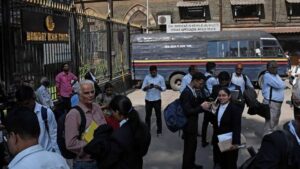
For example, a video went viral showing students in Mumbai unlocking a police van from the inside and dancing on the road. A Pakistani student watching the video online commented, "You guys are too cool, yaar!" This lighthearted approach made it hard for authorities to brand the protesters as dangerous. When critics tried to claim that foreign agencies or bad actors were guiding the students, the young protesters simply laughed off the claims and kept dancing.
There’s more to life than simply increasing its speed.
By Udaipur Freelancer
Real Demands: Education, Jobs, and Peace
Behind the fun and music, the message from the youth is very serious. At a protest site in New Delhi, a young student clearly explained what they wanted. He said that young people do not want war or hatred. They want good schools, quality education, and secure jobs so they can build a good life for themselves and their families.
Just as a dedicated champion mentor voice guides young athletes toward discipline and success, these young leaders are guiding their peers toward a constructive path. They want to stay in their home countries and help them grow, rather than feeling forced to move abroad for better opportunities. They are asking their governments to focus on solving real problems like unemployment and poverty instead of spreading fear about neighboring countries.
A Hopeful Road Ahead for South Asia
The CJP movement has already seen some success, including changes in top education officials. But its biggest achievement might be something even larger: showing that peace between neighbours is possible through the power of ordinary people. By choosing respect and friendship over anger, Gen Z has given everyone a glimpse of a better future.
Governments in South Asia should listen to these young voices. If leaders take advantage of this moment to encourage open travel, trade, and cultural exchange, the entire region could benefit. The youth have proven that they are ready to leave old hatreds behind and work together for a peaceful and prosperous tomorrow.















Recommended for you
Must-See Art Exhibitions Around the World This Year
The Revival of Classical Art in a Digital Age
Breaking Down the Elements of a Masterpiece Painting
The Revival of Classical Art in a Digital Age