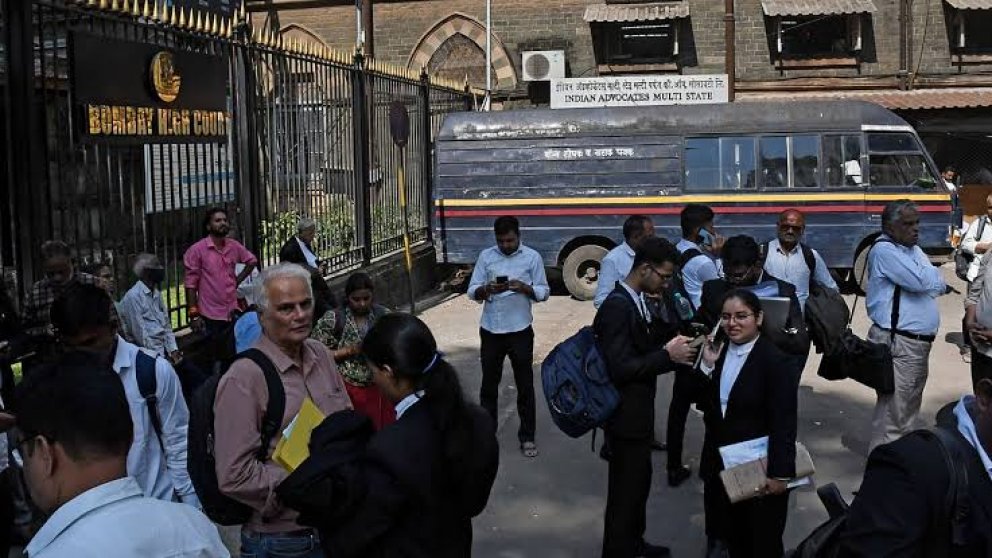
Imagine being forced to leave your home, your job, and your family just because you joined a peaceful political protest. This is the painful reality experienced by four men from Mumbai: Saeed Ahmed Abdul Wahid Choudhary, Akbar Hussain Sayyed, Mohammad Rafiq Gulam Rasul Ansari, and Firoz Abdul Wahab Khan. Police treated them like dangerous criminals and banned them from entering the city. Fortunately, the Bombay High Court recently stepped in and cancelled these harsh police orders.
Forced Away From Home and Family
For months, these four men were forced to live away from their families. They had to leave Mumbai and move into a single rented room in Mumbra, located in Thane district. Because of this ban, they suffered terrible personal and financial losses. They lost their jobs, could not earn money, and missed life-changing family moments.
Firoz Khan was unable to be present during the birth of his second child. Akbar Sayyed, who works as a delivery agent, could not see his wife, newborn daughter, or sick mother for four months. Saeed Ahmed lived in uncertainty for nearly seven months away from home, while Mohammad Rafiq fretted about being unable to visit his 68-year-old mother. They were treated like serious criminals simply for expressing their political views.
Why Did the Police Take Action?
The Mumbai Police used Sections 56 and 58 of the Maharashtra Police Act against these men. Under these laws, police can ban a person from an area for up to two years if they believe the person might commit serious crimes. Normally, this power is used against gangsters, bootleggers, and habitual offenders who threaten public safety.
However, in this case, the police used these extreme laws against ordinary citizens. Between 2019 and 2025, these men took part in public protests on various social and political issues. These included demonstrations regarding the Citizenship (Amendment) Act (CAA), the National Register of Citizens (NRC), the Ayodhya Ram temple verdict, the Gyanvapi mosque debate, and loudspeaker usage at places of worship.
When major national debates happen, like the recent PM Modi reaction on NCERT textbook controversy, citizens often use public protests to share their opinions. Expressing dissent and joining peaceful rallies is a fundamental right in any working democracy.
High Court Questions Police Powers
The four men had nothing in common except their connection to the Social Democratic Party of India (SDPI). Facing unfair treatment, they decided to challenge their ban orders in court. Justice Madhav J Jamdar of the Bombay High Court heard their petitions and strongly criticized the actions taken by the police.
In March, the High Court cancelled Akbar Sayyed’s ban order. Justice Jamdar clearly stated that the police action violated fundamental rights and could not be justified. Later in July, the court also quashed the ban orders against Saeed Ahmed and Firoz Khan, calling the police action completely illegal.
There’s more to life than simply increasing its speed.
By Udaipur Freelancer
During the court hearings, Justice Jamdar asked critical questions about democratic freedoms. He asked whether citizens were being turned into slaves of the government simply because they chose to oppose government decisions. He also pointed out that members of other political groups had participated in the same protests, yet only these men were targeted.
Government Arguments Rejected
The state government tried to defend the police action by claiming that the men held protests without permission and had connections to banned organizations. However, Justice Jamdar noted that these allegations were not even mentioned in the original show-cause notices given to the men. Therefore, the government could not invent new reasons later in court.
Political disagreements happen often, similar to public debate during events like the CM Vijay revokes astrologer OSD appointment backlash. But using law enforcement to punish political opponents is unacceptable. The judge reminded the police that the law only prescribes a maximum punishment of one month in jail for protesting without permission. Forcing people out of their home city for months over minor protest charges was completely out of proportion.
A Victory for Democracy and Rights
This landmark ruling by the Bombay High Court brings immense relief to these four men and their families. It sets a very strong precedent for protecting constitutional rights and freedom of speech in India.
The court's decision sends a clear warning to administrative authorities: police powers must never be misused to suppress political dissent or silence citizens. Thanks to the High Court intervention, these men can finally return home, reunite with their loved ones, and rebuild their disrupted lives with dignity.











Recommended for you
Must-See Art Exhibitions Around the World This Year
The Revival of Classical Art in a Digital Age
Breaking Down the Elements of a Masterpiece Painting
The Revival of Classical Art in a Digital Age