Water is one of the most important resources for any state in India. Recently, Devendra Fadnavis made a strong statement about river water sharing and barrage projects. He clearly stated that Maharashtra will always protect its own interests first when discussing the Telangana barrage project. This announcement has created a fresh discussion on how neighboring states share water resources and plan big development projects together.
The relationship between Maharashtra and Telangana regarding river projects has a long history. Both states share river borders, particularly along the Godavari river basin. Over the years, several irrigation and barrage projects have been planned to help farmers and provide drinking water. However, building a barrage often leads to land submergence, environmental concerns, and changes in water distribution. Because of this, leaders must tread carefully to ensure their own people do not suffer.
What Did Devendra Fadnavis Say?
Devendra Fadnavis emphasized that while Maharashtra wants good relations with neighboring states, it cannot sacrifice the rights of its own people. He made it clear that any project proposed by Telangana must be evaluated carefully. Maharashtra will check how much land will be submerged, how many villages will be affected, and how much water will be saved for local farmers.
He explained that protecting local farmers and villages is the primary duty of the state government. If a barrage project in Telangana causes flooding or water loss in Maharashtra, the government will not accept it without proper solutions. State leaders are currently reviewing all technical reports and maps related to the barrage proposal.
Understanding the Water Dispute Between the Two States
Inter-state water sharing is often a sensitive issue in India. When two states share a river, both want maximum benefits for their agricultural sectors. Telangana needs water for its ambitious irrigation schemes to support farming in dry regions. At the same time, Maharashtra has several drought-prone districts that depend heavily on the same river waters.
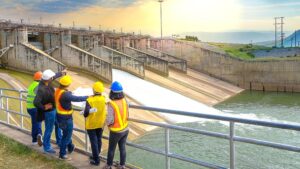
When constructing a barrage, backwater levels can flood nearby fields across the state border. If Telangana builds a high barrage, land on the Maharashtra side might get submerged during the rainy season. This is why joint technical surveys are necessary before any construction begins. Leaders need to balance these political choices carefully. In global governance and political decisions, such as discussions surrounding Israel's political landscape, we see how national interest and local policy always drive leadership decisions.
Why Water Projects Matter to Farmers
Farmers in both Maharashtra and Telangana depend heavily on river water for growing crops like paddy, cotton, sugarcane, and pulses. Good irrigation systems turn dry fields into productive farms, helping families earn a stable income. However, if a project reduces local water availability or damages land through flooding, it can destroy a farmer's entire livelihood.
There’s more to life than simply increasing its speed.
By Udaipur Freelancer
Public representatives and leaders must remain accountable when making decisions that impact thousands of families. Public accountability is a key duty for any official or leader. You can read more about how accountability plays a role in leadership in these lessons on responsibility. When government leaders prioritize their people, it gives confidence to rural communities that their lands will be safe.
The Role of Joint Committees and Technical Surveys
To resolve differences, both states usually form joint technical committees. These groups consist of engineers, environmental experts, and irrigation officials. They measure river flow, calculate potential submergence areas, and suggest fair designs for barrages and dams.
Fadnavis mentioned that Maharashtra will participate in dialogue, but only on clear terms. The technical assessments must be transparent. If the findings show that Maharashtra's villages will face heavy losses, Maharashtra will ask for design changes or adequate compensation before giving any clearance.
What Comes Next for the Barrage Project?
The road ahead involves careful negotiation and legal agreements between the two state governments. Both Maharashtra and Telangana understand that peaceful cooperation is better than long court battles. However, strong statements from top leaders set the tone for future meetings.
In summary, the statement from Devendra Fadnavis highlights a balanced approach: cooperation through dialogue, but protection of state interests first. As official talks continue, citizens and farmers in border areas will be watching closely to see how both governments protect their land, water, and future.
Udaipur Freelancer delivers high-quality web, marketing, and design solutions. We focus on building impactful digital experiences that help your brand succeed in today's market.










Recommended for you
Must-See Art Exhibitions Around the World This Year
The Revival of Classical Art in a Digital Age
Breaking Down the Elements of a Masterpiece Painting
The Revival of Classical Art in a Digital Age