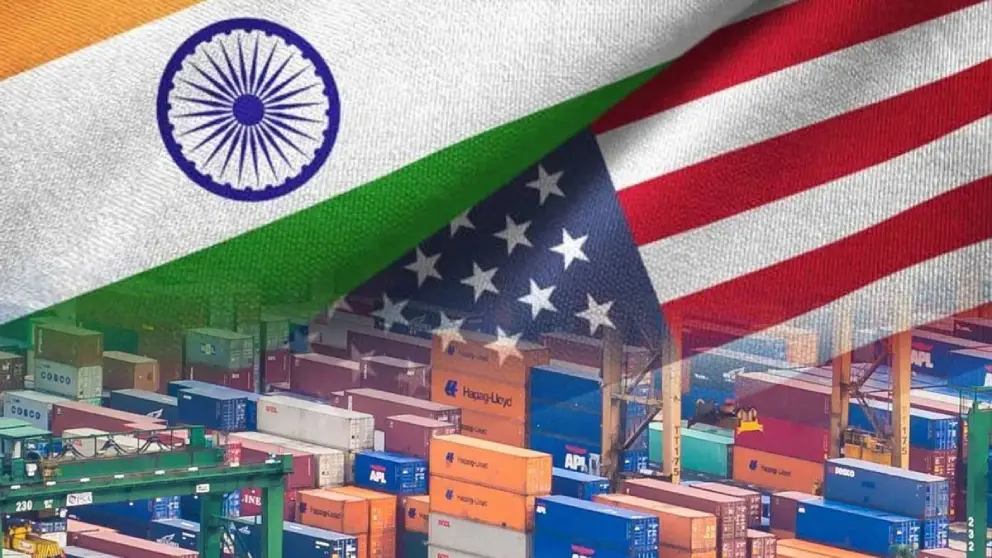
We often hear about global politics, trade wars, and countries trying to push each other around. It might seem like a recent thing, but for India, standing up to pressure from superpowers like the United States is a story that goes back decades.
One of the most powerful examples of this happened long before the internet or today's headlines. It’s a story about food, pride, and how a national crisis became a moment of triumph. This is the story of how US arm-twisting during the Green Revolution didn't break India, but instead, made it stronger.
A Nation on the Brink: The Food Crisis of the 1960s
Imagine this. It’s the mid-1960s. India is a young nation, and it's facing a terrible crisis. Two back-to-back droughts have destroyed the crops. There isn't enough food to feed everyone, and the country is staring at a massive famine.
At that time, India was heavily dependent on wheat imports from the United States under a program called PL-480, also known as Food for Peace. We needed their grain to prevent millions from starving. It was a difficult and vulnerable position for any country to be in.
When Food Became a Weapon: The "Ship-to-Mouth" Insult
The US, under President Lyndon B. Johnson, knew how desperate India was. And they decided to use it as a political tool.
Instead of providing a steady, reliable supply of wheat, the US adopted a humiliating ship-to-mouth policy. This meant that the US government would only approve food shipments for a very short term. Indian officials would have to wait anxiously, never knowing if the next ship with life-saving grain would be approved or not.
Why did they do this? The US was unhappy with India's foreign policy, especially its criticism of the American war in Vietnam. They were using food as a weapon to try and force India to change its stance. It was a clear case of arm-twisting, holding a nation's hunger hostage for political gains. For a proud nation like India, this was a deep national insult.
India's Reply: "We Will Grow Our Own Food"
This pressure campaign had the opposite effect. Instead of bowing down, India’s leaders, including Prime Minister Indira Gandhi, made a firm decision. Never again. India would not be a nation that begged for food. We would become self-sufficient.
This resolve gave birth to the Green Revolution.
Indian scientists, led by the brilliant M.S. Swaminathan, got to work. They knew they needed a miracle. That miracle came from Mexico, in the form of new, high-yielding dwarf wheat seeds developed by a scientist named Norman Borlaug.
There’s more to life than simply increasing its speed.
By Udaipur Freelancer
These weren't ordinary seeds. They could produce much more grain per plant and were better suited for Indian conditions. India imported a massive shipment of these seeds, and a quiet revolution began in the fields of Punjab, Haryana, and Western Uttar Pradesh.
From Begging Bowl to Breadbasket
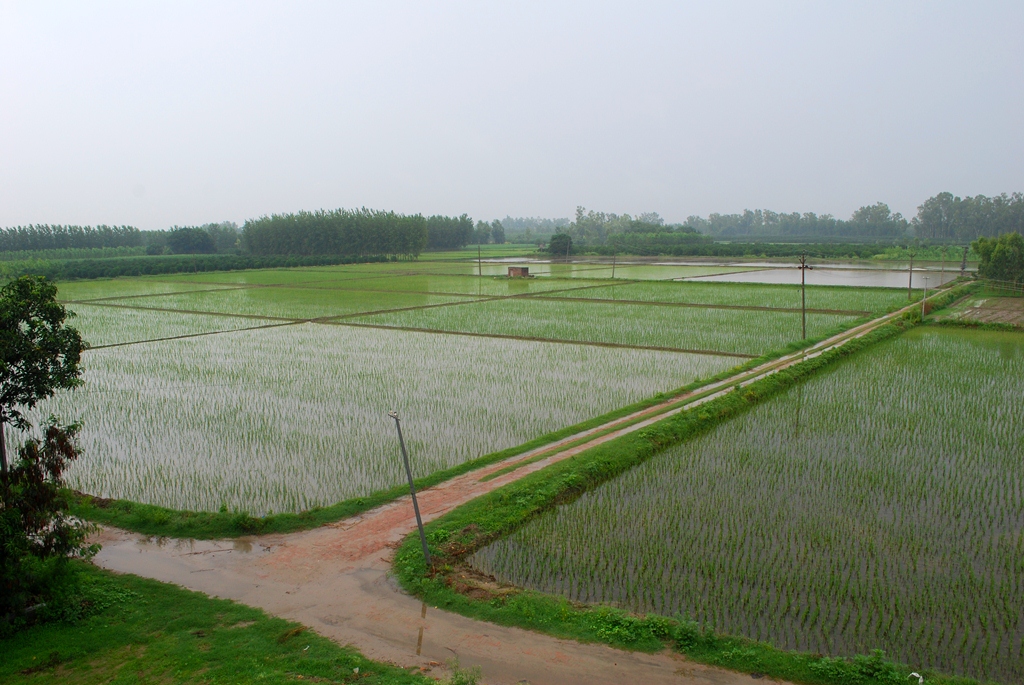
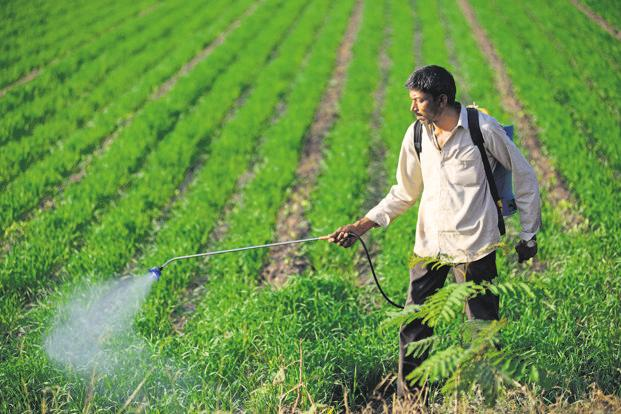
The results were stunning. In just a few years, India's food production skyrocketed. Farmers across the country adopted the new seeds, fertilizers, and irrigation techniques. The same fields that were once dry and barren were now overflowing with golden wheat.
By the early 1970s, the situation had completely flipped. India was not only producing enough food to feed its own people but was also building up a surplus.
The most powerful moment came when India was able to tell the United States that it no longer needed its food aid. We had gone from being a nation with a begging bowl to becoming a self-reliant breadbasket. We had turned a crisis into a victory.
A Lesson That Still Rings True
This story from the 1960s is more than just history. It's a lesson about the Indian spirit. It teaches us that when faced with threats and pressure, India doesn't just survive. it finds a way to become stronger and more independent.
The US attempt to use food as a weapon failed. It didn't make India weaker. it sparked a revolution that made us food-secure for generations to come. That same spirit of self-reliance, or Atmanirbharata, is something we see even today, whether it's in technology, defense, or our foreign policy.
So, the next time you hear about international pressure on India, remember the story of the Green Revolution. It’s a powerful reminder that India has a long and proud history of standing its ground.












Recommended for you
Must-See Art Exhibitions Around the World This Year
The Revival of Classical Art in a Digital Age
Breaking Down the Elements of a Masterpiece Painting
The Revival of Classical Art in a Digital Age