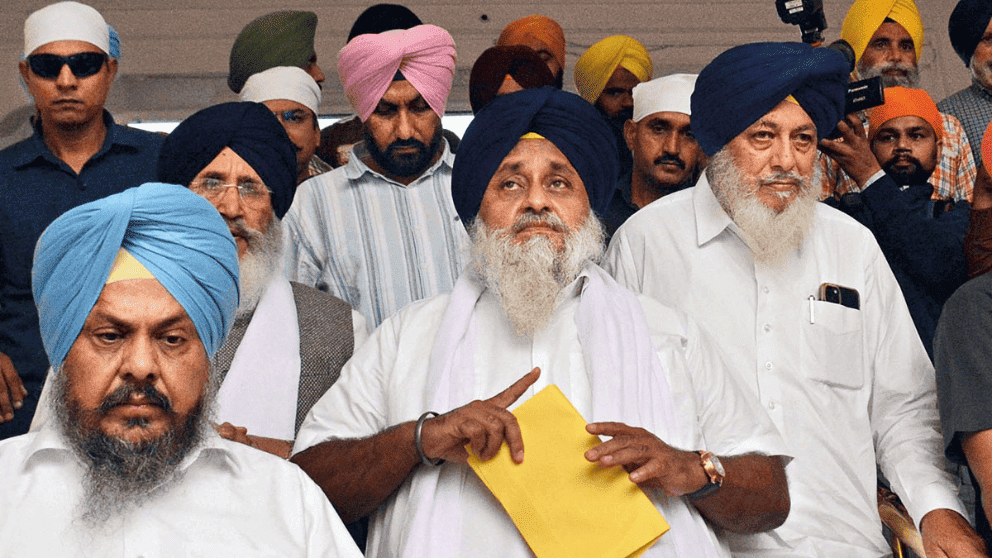
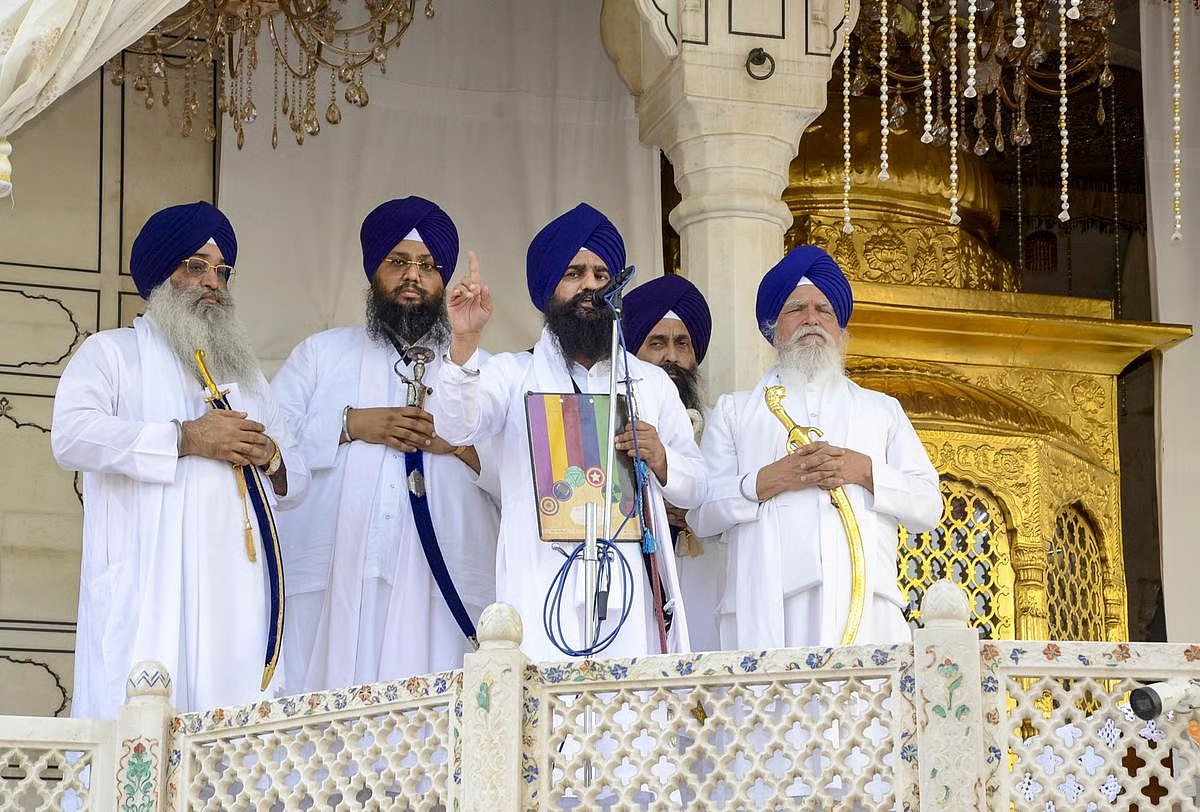
There is currently a big political storm brewing in Punjab. The Akal Takht, the highest seat of temporal authority for Sikhs, has issued a summons to all Sikh MLAs and Cabinet Ministers in the Punjab government. This move is related to the recent anti-sacrilege law passed by the Assembly. The situation has left many legislators from the Aam Aadmi Party (AAP) feeling very nervous and trapped between their party leadership and their religious duties.
Why are the MLAs being summoned?
The issue stems from the "Jagat Jyot Sri Guru Granth Sahib Satkar (Amendment) Act, 2026." This law was passed unanimously on April 13 to provide stricter punishments, including life imprisonment, for sacrilege. However, the Akal Takht and the Shiromani Gurdwara Parbandhak Committee claim the government did not consult them before passing it. They believe parts of the law actually disrespect the sentiments of the Sikh community. For those interested in broader systemic issues, you might find it interesting to look at the history of scientific legacy, though here, the conflict is purely about local governance and faith.
A conflict between faith and party
Chief Minister Bhagwant Mann has taken a strong stance, challenging the authority of the Akal Takht. He has been accused of being confrontational, which has upset many in the Sikh community. While the party leadership might want to ignore the summons, the individual MLAs are scared. They know that in their constituencies, failing to respect the Akal Takht could have serious consequences for their political future and their personal standing.
One anonymous AAP MLA shared that they are very worried. If they do not appear at the Secretariat on June 29, they fear being declared 'tankhaiya' (guilty of violating the religious code of conduct). Many MLAs have said that if the party tells them not to go, they might decide to go anyway to protect their reputation with their voters. This internal pressure is rising, and some are even threatening a rebellion if they are forced to choose between the party and the Takht.
There’s more to life than simply increasing its speed.
By Udaipur Freelancer
What happens next?
The government's previous refusal to make changes has only worsened the divide. Official letters have been sent via email and WhatsApp to all 78 Sikh MLAs and nine Sikh cabinet ministers, ordering them to present their views by June 29. Even non-Sikh ministers have been asked to submit their thoughts in writing. While some news cycles focus on international sports like the T20 World Cup, this legal and religious standoff remains the most critical issue for Punjab's administration today.
The atmosphere is clearly one of tension. The AAP leadership is currently in a difficult spot. If they agree to appear, they might look weak to some, but if they continue to defy the Takht, they risk losing the support of their own elected representatives. The deadline is fast approaching, and all eyes are on the Akal Takht Secretariat to see who shows up on June 29.
Udaipur Freelancer delivers high-quality web, marketing, and design solutions. We focus on building impactful digital experiences that help your brand succeed in today's market.














Recommended for you
Must-See Art Exhibitions Around the World This Year
The Revival of Classical Art in a Digital Age
Breaking Down the Elements of a Masterpiece Painting
The Revival of Classical Art in a Digital Age