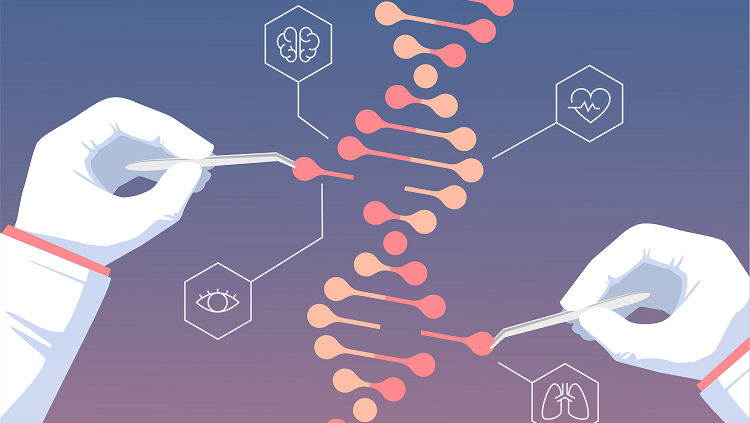
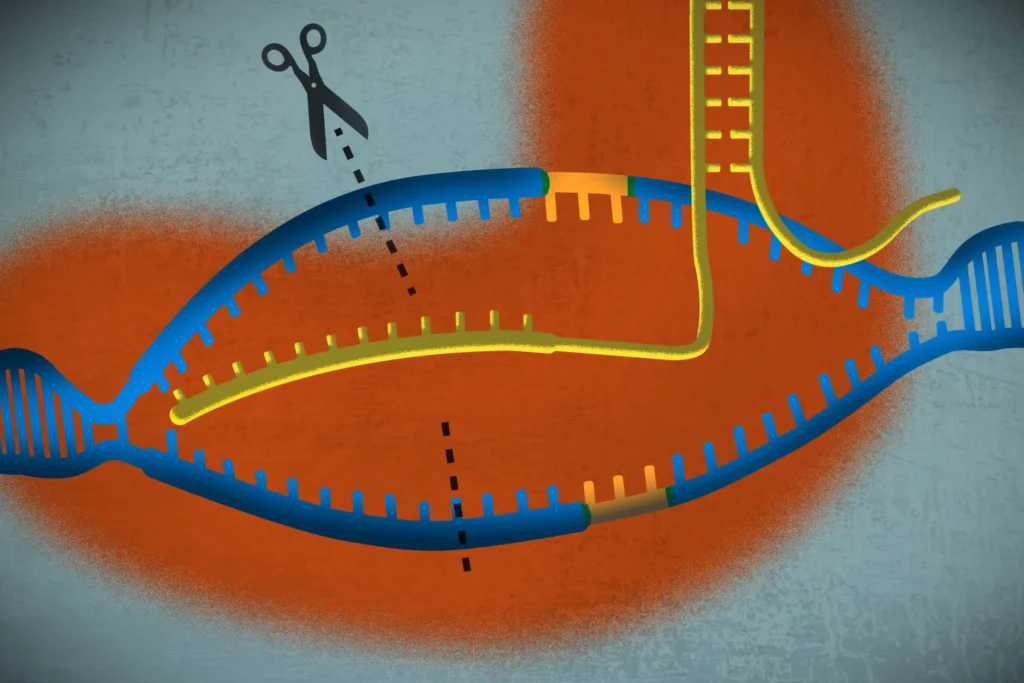
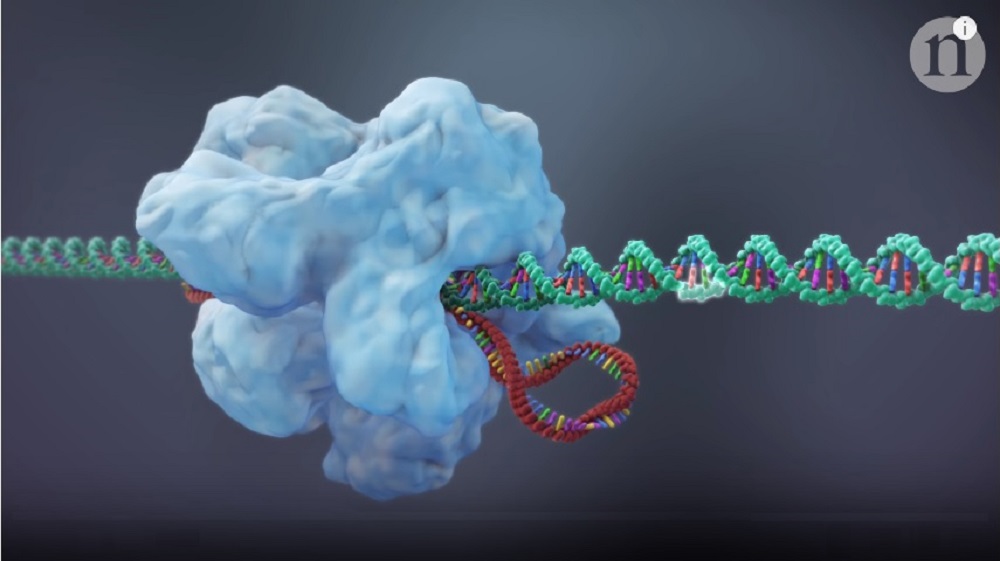
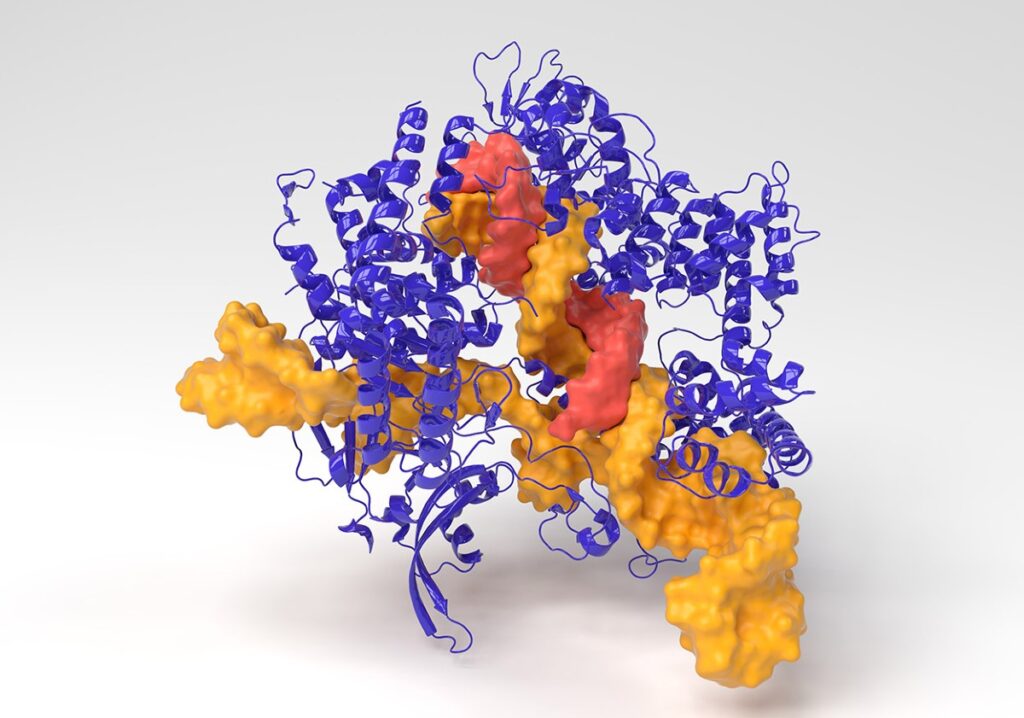
The first generation of CRISPR-Cas9 was often described as molecular scissors, a groundbreaking tool that allowed scientists to cut DNA at specific locations to disable or alter genes. While revolutionary, these early scissors were sometimes blunt, occasionally leading to unintended genetic scars or unpredictable mutations when the cell tried to repair the break. Today, we have entered the era of CRISPR 2.0, a sophisticated upgrade that moves beyond simple cutting toward a search and replace functionality. By utilizing advanced techniques like base editing and prime editing, researchers are no longer just breaking genes to see what happens. they are performing delicate surgery on the genome with surgical precision, allowing for the correction of single-letter typos in the genetic code without ever breaking the DNA strand.
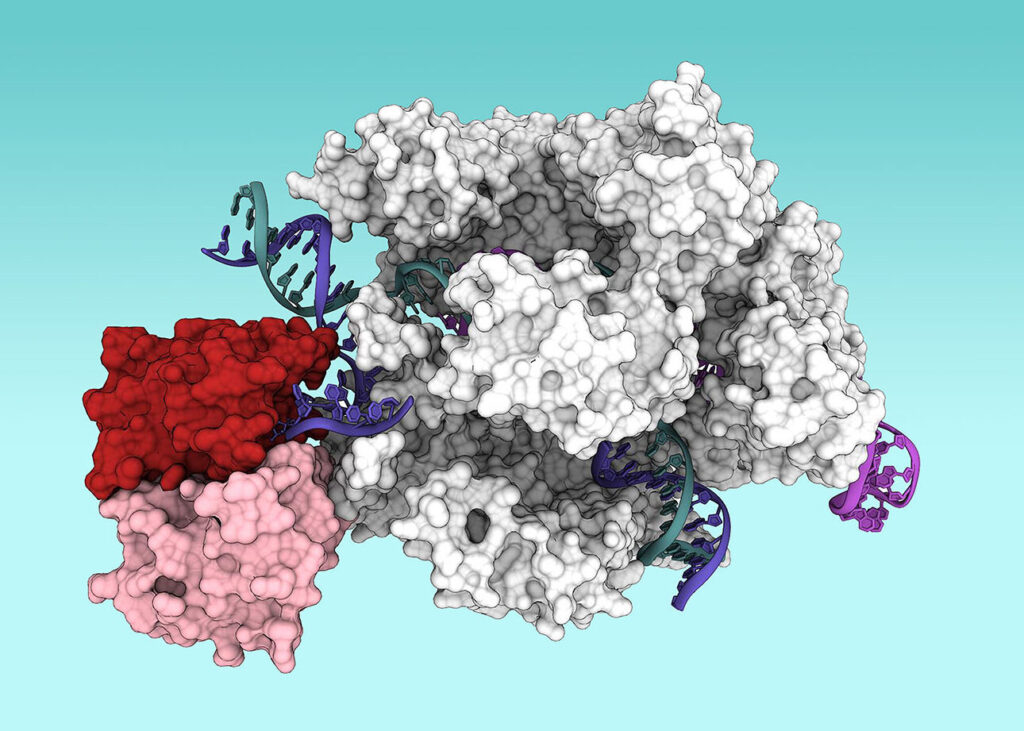
This shift toward precision is redefining the limits of what genetic medicine can achieve, moving us from treating symptoms to permanently correcting the root causes of inherited diseases. Base editing, for instance, allows scientists to chemically convert one DNA letter into another, offering hope for thousands of point-mutation disorders such as sickle cell anemia and Tay-Sachs disease. Prime editing takes this a step further by acting as a versatile word processor for life, capable of inserting or deleting specific sequences of DNA with minimal risk of off-target effects. These advancements mean that the medical community is moving closer to a future where a single injection could potentially cure a lifetime of chronic illness, shifting the paradigm of healthcare from reactive management to proactive genetic restoration.
Beyond the laboratory, CRISPR 2.0 is paving the way for a more ethical and controlled application of biotechnology. Because these new tools do not rely on double-strand breaks in the DNA, the risk of triggering cellular stress or causing large-scale chromosomal rearrangements is significantly reduced. This increased safety profile is crucial for gaining public trust and regulatory approval for human clinical trials. As we refine our ability to tune the human genome with such granularity, we are not just fixing broken biology. we are unlocking a new frontier of personalized medicine where treatments are tailored to the unique genetic signature of every individual. The journey from molecular scissors to high-fidelity genetic architecture marks the beginning of a new chapter in history where our DNA is no longer a fixed destiny, but a draft that can be carefully and safely edited for the betterment of humanity.
There’s more to life than simply increasing its speed.
By Udaipur Freelancer















Recommended for you
Must-See Art Exhibitions Around the World This Year
The Revival of Classical Art in a Digital Age
Breaking Down the Elements of a Masterpiece Painting
The Revival of Classical Art in a Digital Age