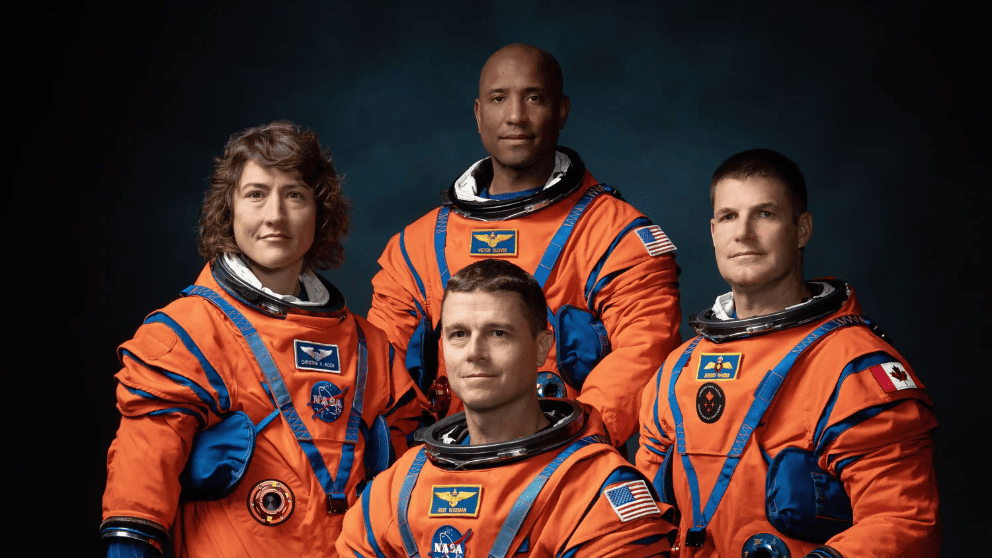
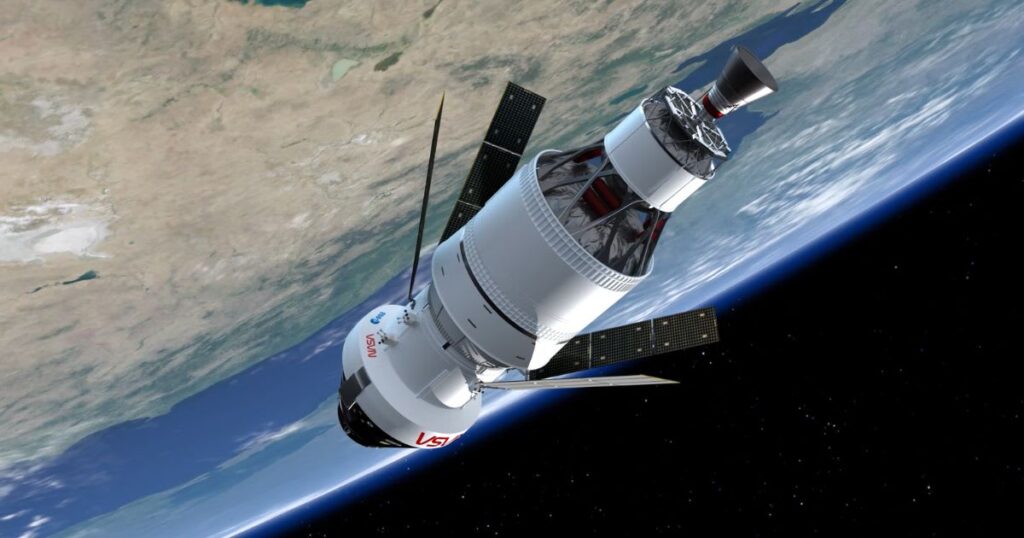
After a completely historic journey taking them all the way around the Moon, the four brave astronauts inside the Orion spacecraft have packed their bags (so to speak) and started the long, highly anticipated return trip. This isn't just any regular flight, this is the first time humans have flown to the lunar frontier in over 50 years. Let's break down exactly what is happening right now, how they are getting back, and what the next few days look like for this amazing crew.
Breaking Free from the Moon’s Pull
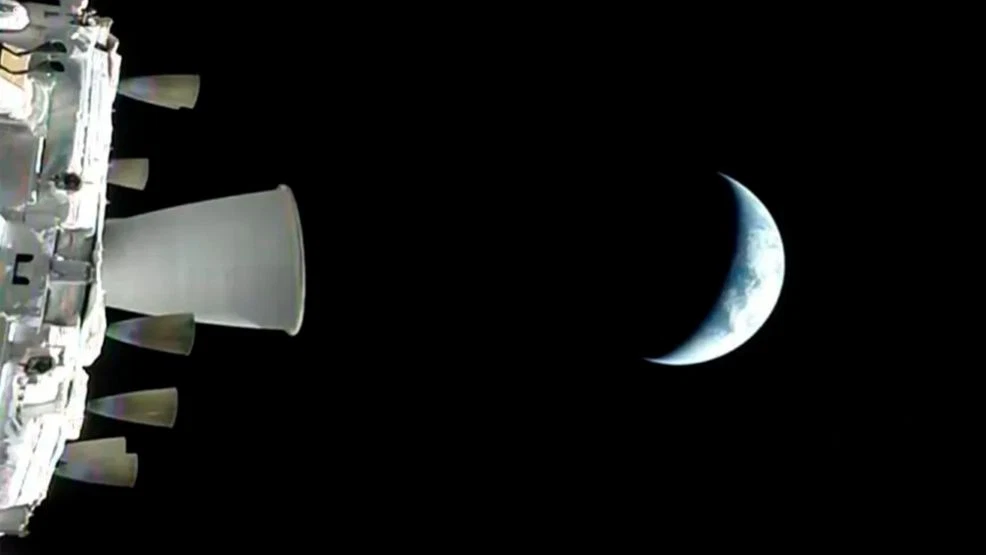
So, how exactly do you leave the Moon? Well, it is all about gravity. At exactly 10:56 pm IST on Tuesday, the Orion spacecraft did something huge, it officially exited the lunar sphere of influence.
To put it simply, the sphere of influence is that specific, invisible area out in space where the Moon’s gravity is the main force pulling on the ship. Now that they have pushed past that invisible boundary, the Moon is no longer the boss of their flight path.
Instead of fighting the gravity, the astronauts actually used it to their advantage. They used the lunar gravity like a giant, cosmic slingshot in space. By whipping around the Moon, they gained the massive burst of speed they needed to turn around and head back to us. Now that they have successfully performed this celestial slingshot maneuver, the astronauts are once again feeling the dominant, welcoming pull of Earth’s gravity, drawing them back home.
The Three-Day Cruise Home
Now that the Orion spacecraft has safely cleared the immediate area around the Moon, what happens next? The crew is currently in a three-day transit period. You can think of this as the long highway drive back home from an epic vacation.
During this three-day path back to Earth, they aren't just sitting around relaxing. The main focus of this phase is getting everything perfectly prepared for the extreme, high-speed reentry into Earth’s atmosphere.
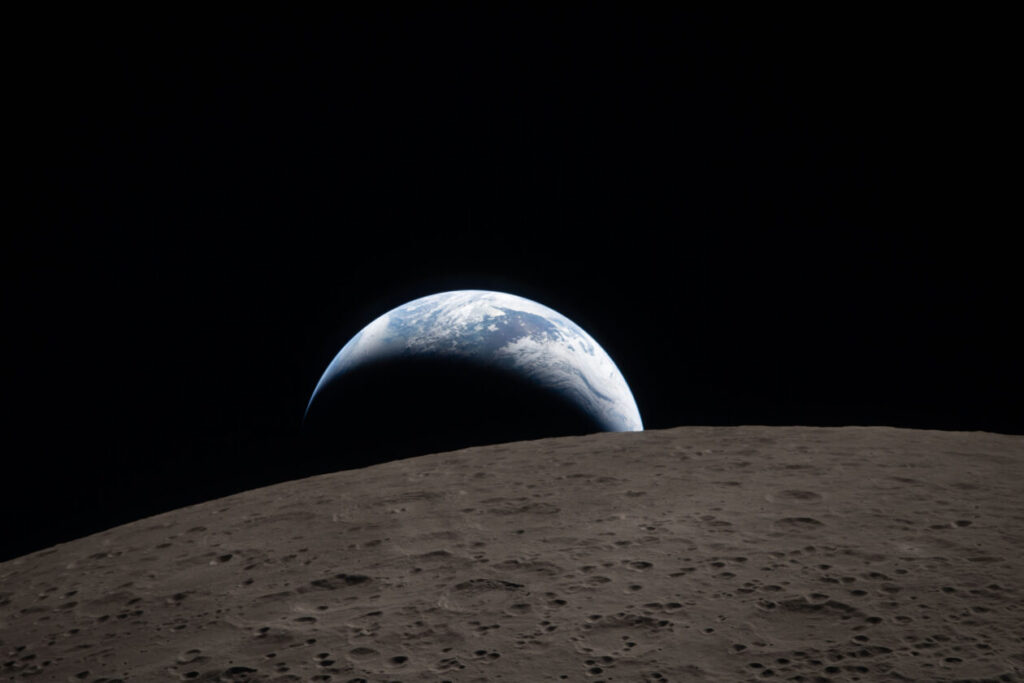
But they did get to enjoy the view! On April 7, 2026, during their historic lunar flyby, the crew captured some absolutely jaw-dropping photos. They took snapshots of the mysterious far side of the Moon, the glowing Milky Way, and a breathtaking Earthrise showing our beautiful blue planet peeking over the gray lunar horizon. Imagine looking out your window and seeing that!
Threading the Cosmic Needle
Getting back to Earth isn't as simple as just pointing the spaceship down and pressing the gas pedal. It requires extreme precision. As they travel back, the astronauts have to conduct several 'trajectory correction burns.'
Don't let the fancy words confuse you! These are just very short, highly precise engine firings. The goal is to make sure the space capsule hits the Earth's reentry corridor at the exact, perfect angle.
Why is the angle so incredibly important? Because the stakes are incredibly high. If the angle of the spacecraft is too shallow when it hits the atmosphere, the Orion capsule could literally bounce and skip off the atmosphere and back into deep space, just like a flat stone skipping across a pond. On the other hand, if the angle is too steep and they plunge in too fast, the friction from the air would cause way too much heat, which could be dangerous. They have to thread the needle perfectly!
A Fiery, High-Speed Return
The final leg of this amazing mission is going to happen on Friday, April 10, and let me tell you, it will be the most intense part of the whole trip.
There’s more to life than simply increasing its speed.
By Udaipur Freelancer
As Orion approaches our planet, it is going to hit the Earth's atmosphere at a totally staggering speed of roughly 40,000 kilometers per hour. Because they are moving so unbelievably fast, the friction of the air is going to create extreme, blazing heat around the capsule. We are talking about temperatures reaching up to 2,760 degrees Celsius!
To handle this terrifying heat, the spacecraft is going to use a brand new, super cool trick called a skip reentry technique. Instead of just diving straight down through the fire, the capsule will dip into the upper atmosphere to slow itself down, then it will actually pop back out into space briefly to cool off, before finally dipping back in for the final time.
This skip method is brilliant. Not only does it help manage the crazy heat, but it also reduces the heavy gravitational forces pushing down on the crew's bodies. Plus, it allows the computers to steer the capsule for a much more precise landing in the Pacific Ocean.
Splashdown! Where and When?
So, where is the ultimate finish line for this epic road trip? The Artemis 2 mission is scheduled to conclude with a massive splashdown in the ocean off the coast of San Diego. Mark your calendars, because this is set to happen at approximately 6:37 am IST on Saturday, April 11.
They won't be alone out there in the ocean. A massive recovery team from the US Navy, led by a ship called the USS John P Murtha, is already out there in the water, waiting in position.
As the capsule gets close to the water, giant parachutes will deploy to slow it down to a gentle speed. Once the ship finally hits the water and bobs in the waves, highly trained Navy divers will rush out in small boats to secure the spacecraft. They will then open the hatch and help our four heroic astronauts out of the capsule and onto the main recovery vessel.
When those astronauts step out onto that boat, it will mark the completely successful end of a mission that will go down in history books. We are finally going back to the Moon, and We don't know about you, but We were absolutely glued to the screen waiting for them to get home safely!
What do you guys think of this crazy skip-reentry maneuver? Would you ever want to travel 40,000 kilometers per hour in a space capsule? Let me know in the comments below!
Udaipur Freelancer delivers high-quality web, marketing, and design solutions. We focus on building impactful digital experiences that help your brand succeed in today's market.
















Recommended for you
Must-See Art Exhibitions Around the World This Year
The Revival of Classical Art in a Digital Age
Breaking Down the Elements of a Masterpiece Painting
The Revival of Classical Art in a Digital Age