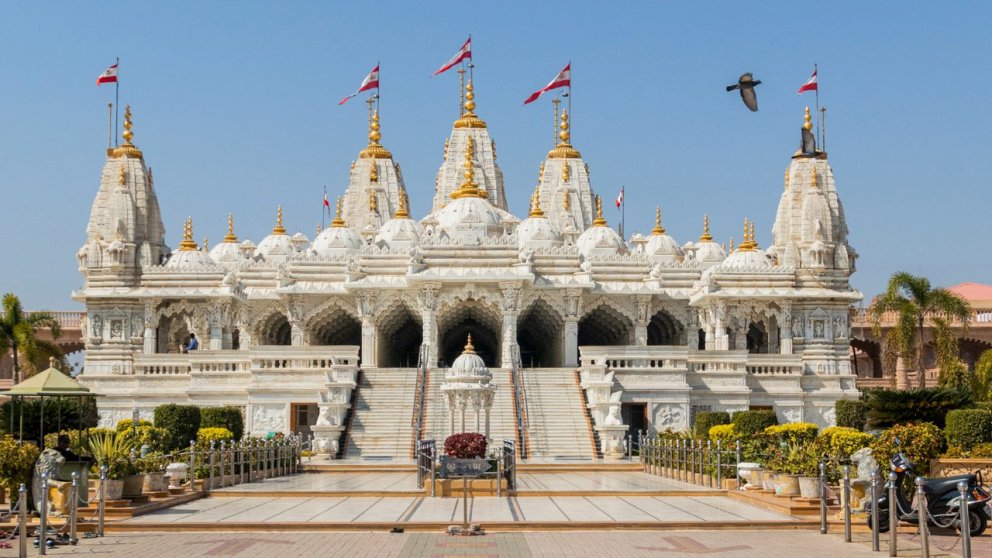
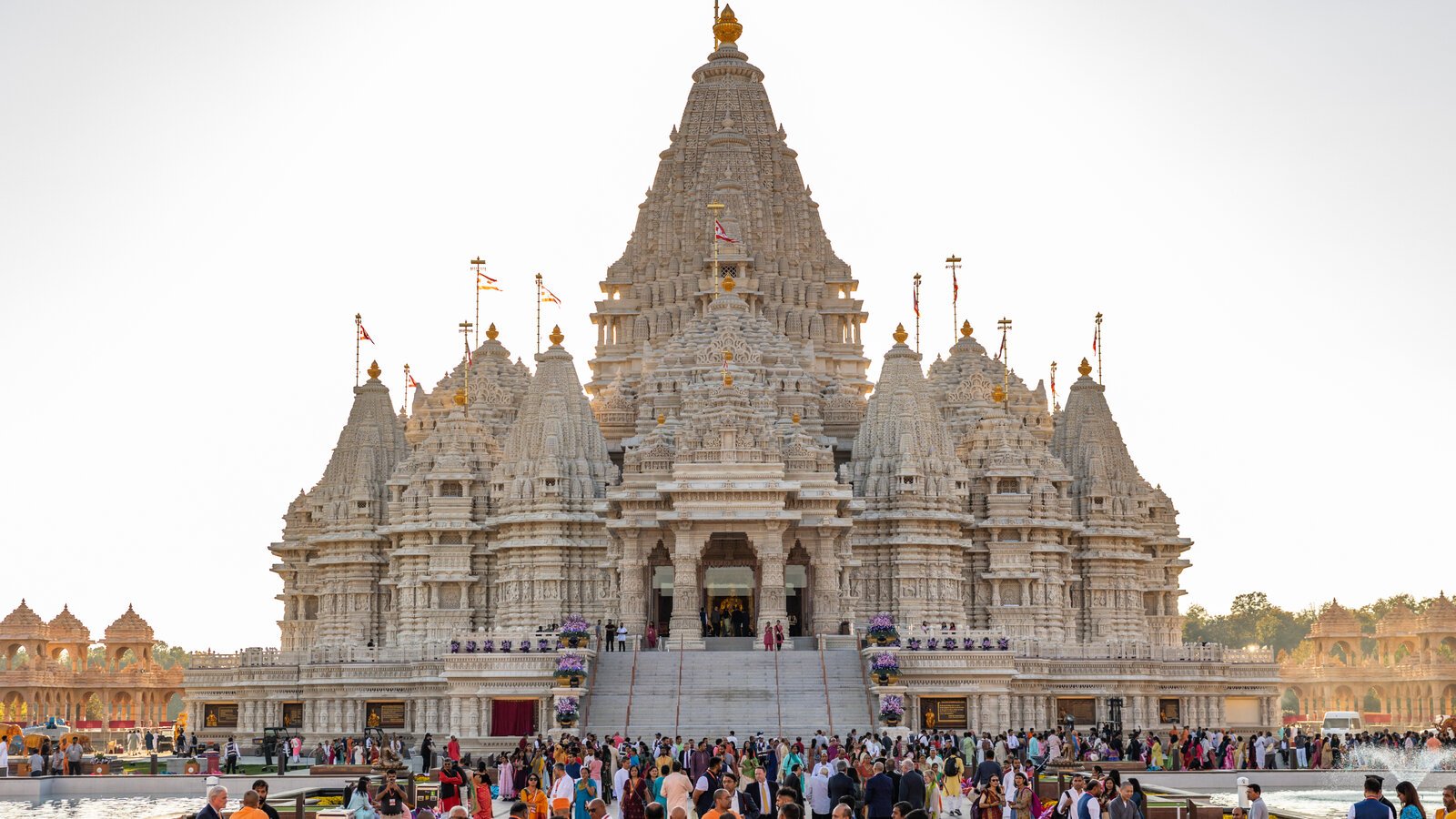
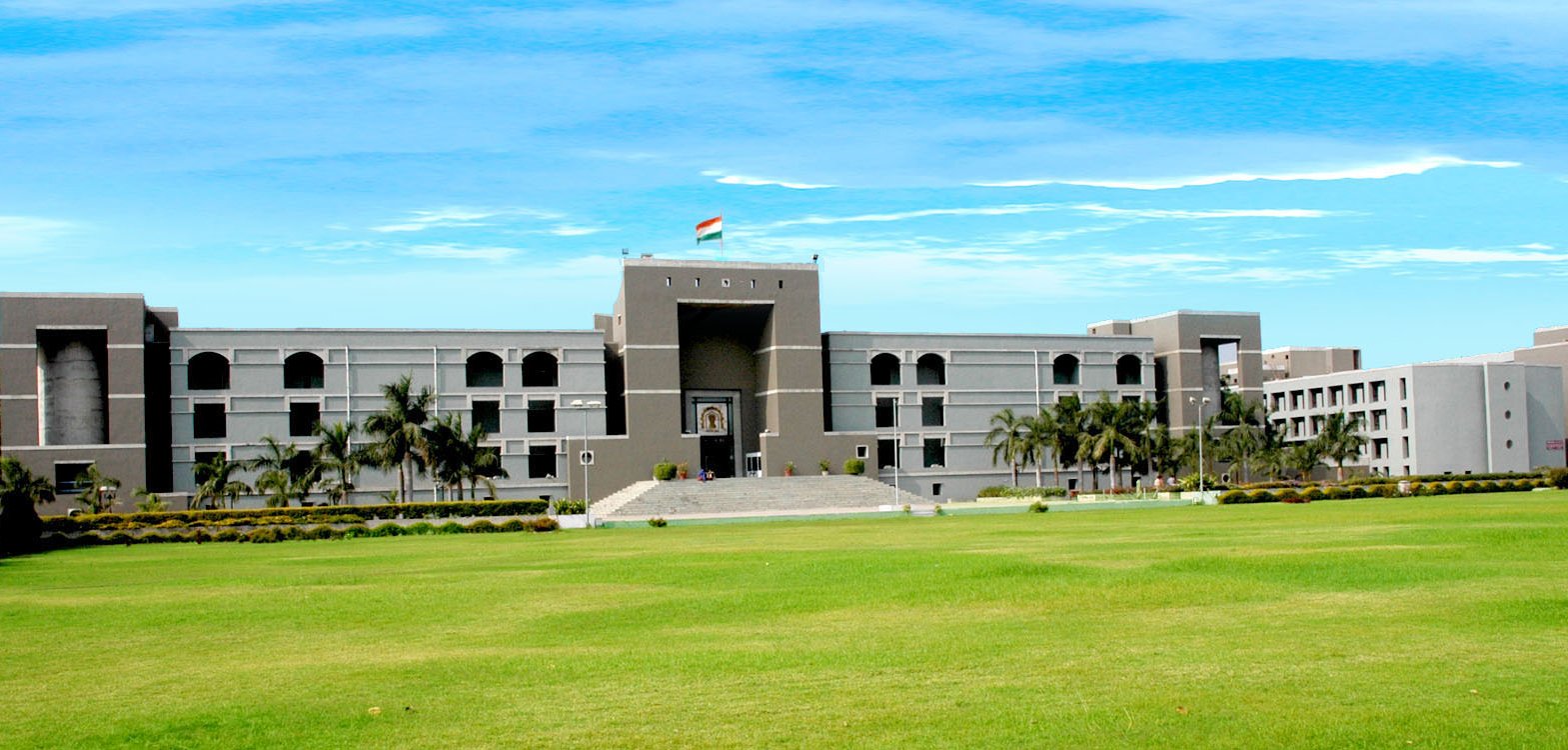
The Gujarat High Court is currently looking into a very serious case involving the premature release of a convicted murderer. Narayan Shastri, who was a key figure in the 1998 murder of the Vadtal Swaminarayan Temple Board chairman, Guru Gadadharanand, is asking to be set free. He has spent over 17 years in prison and is now 70 years old, which is why he is seeking remission of his life sentence.
A Complex Legal History
The case has traveled all the way to the Supreme Court. Earlier, the top court told Shastri to file a new petition before the Gujarat High Court. They also asked the High Court to handle the matter quickly and according to the law. On Thursday, Justice M R Mengdey gave the Central Bureau of Investigation (CBI) until July 22 to provide a formal response. This time extension is crucial because the CBI must ensure that all legal steps are followed before any decision on release is made.
The CBI lawyer told the court that the Central government had previously denied the request for premature release. Because the law requires government approval, the CBI is now consulting with the Central government’s counsel to clarify their current stance. Meanwhile, the court has allowed Shastri to remain on parole until the next hearing date.
Remembering the 1998 Conspiracy
This case goes back to a time when power struggles within the temple were intense. The prosecution explained that Gadadharanand, the chairman, planned to move certain temple officials, including Shastri. Fearing for their positions and influence, a group conspired to kidnap and murder him. They strangled him, hid his body in a remote spot, and burned the car used in the crime to destroy evidence. Forensic experts, using DNA and dental evidence, eventually cracked the case, which led to a high-profile investigation.
There’s more to life than simply increasing its speed.
By Udaipur Freelancer
While justice is being sought in this case, it is important to reflect on the values we hold in society today. Just as we analyze historical shifts, such as the political shifts of the 1999 era, we must also look at how our legal systems manage the outcomes of tragic events. Today's society is evolving in many ways, whether it is through choosing where to live or seeking higher ethical standards in our daily lives.
The path to justice is rarely straightforward. Whether it involves complex crime investigations or modern political decisions, the rule of law must prevail to ensure that trust in our institutions remains intact. As the Gujarat High Court prepares to hear the final arguments, the public remains watchful of how this long-standing chapter will conclude.
Udaipur Freelancer delivers high-quality web, marketing, and design solutions. We focus on building impactful digital experiences that help your brand succeed in today's market.















Recommended for you
Must-See Art Exhibitions Around the World This Year
The Revival of Classical Art in a Digital Age
Breaking Down the Elements of a Masterpiece Painting
The Revival of Classical Art in a Digital Age