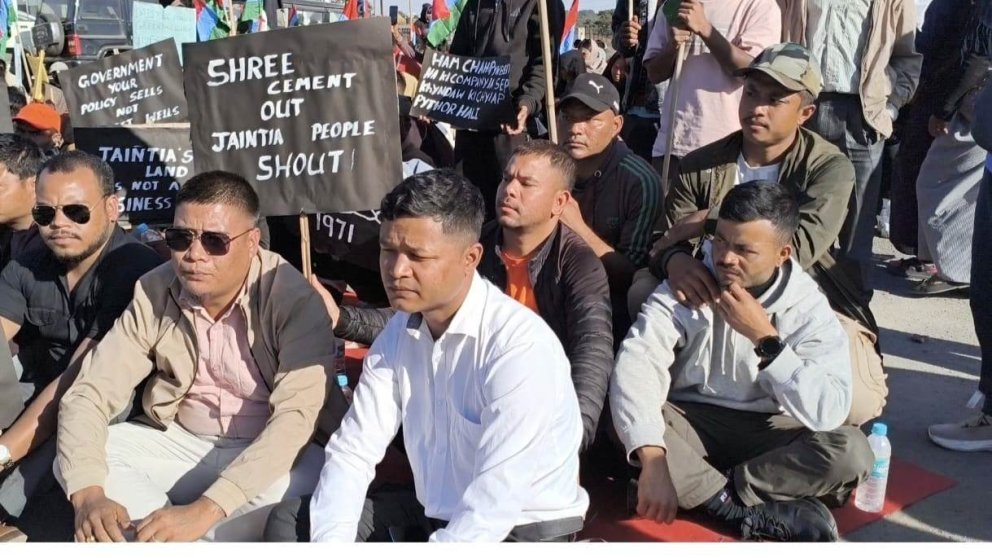
A major tribal organization in Meghalaya has asked the state government to put the rights of local farmers first. The group raised serious concerns about a proposed cement project in the region. They stated that industrial growth should never happen at the cost of local people, their lands, and their basic livelihood.
Meghalaya is known for its green hills, rich culture, and strong community traditions. Most families in rural areas depend directly on farming and nature to survive. Because of this deep connection to the land, any large factory project quickly raises alarms among local residents and community leaders.
Why Are Tribal Leaders Raising Concerns?
The tribal body pointed out that setting up large industries like cement plants requires huge pieces of land. When factories take over green areas, farming families often lose their primary source of food and income. The leaders explained that once farmland is lost to industrial projects, it cannot easily be returned to its natural state.
In addition to losing land, local communities worry about environmental pollution. Cement factories are known to produce dust, heavy smoke, and industrial waste. This pollution can settle on nearby crops, damage soil quality, and make water sources unsafe for drinking and irrigation.
The leaders stressed that community consent is essential. In tribal areas, local councils and traditional bodies hold significant authority over community lands. Pushing forward any industrial project without full consultation creates fear and mistrust among villagers.
The Importance of Farming in Meghalaya
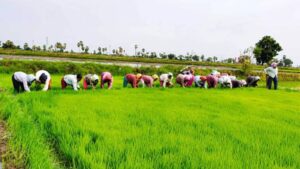
Agriculture is the backbone of rural Meghalaya. Farmers cultivate crops like ginger, turmeric, broom grass, betel nut, and seasonal vegetables. These crops provide daily food security and support small local markets across the state.
Farming in the region already faces natural challenges. Seasonal changes and unpredictable weather can create sudden hardships for small growers. Just as farmers across the country track the India monsoon July surplus rain update to manage their seasonal sowing, farmers in the northeast rely on consistent rainfall and clean soil to secure good harvests. Industrial disturbance in fertile zones adds extra pressure on these already fragile agricultural systems.
Key Demands Made to the Government
The tribal organization presented several clear demands to the state administration before any further steps are taken on the cement project:
First, there must be a transparent dialogue with all affected villagers. Farmers should receive complete and honest information about the size, scope, and potential impact of the factory.
There’s more to life than simply increasing its speed.
By Udaipur Freelancer
Second, environmental impact assessments must be carried out honestly and shared openly with the public. If a project threatens water streams or dense forests, it should not receive approval.
Third, the rights of indigenous landholders must be legally safeguarded. No land should be acquired forcefully or through misleading promises of sudden economic development.
Balancing Development and Accountability
Governments often seek industrial investments to generate revenue and create jobs. However, development projects must remain answerable to the law and the public interest. When institutions ignore public welfare, disputes and legal conflicts quickly follow, similar to how political controversies lead to action, such as when Sasikala and others were booked following a complaint in regional political matters.
Real progress happens when modern infrastructure respects the fundamental rights of grassroots communities. Cement and building materials are important for national growth, but they should not be produced by destroying the basic livelihoods of hardworking farmers.
The Way Forward
The message from the Meghalaya tribal body is straightforward: protect the people first. The state government now faces the responsibility of listening carefully to the voices of rural citizens.
Moving forward, policy planners must focus on sustainable models that support eco-tourism, organic farming, and community-friendly enterprises. By prioritizing farmers' rights, Meghalaya can safeguard its rich heritage, protect its environment, and build an economy that benefits every citizen fairly.













Recommended for you
Must-See Art Exhibitions Around the World This Year
The Revival of Classical Art in a Digital Age
Breaking Down the Elements of a Masterpiece Painting
The Revival of Classical Art in a Digital Age