Water is one of the most important things for human life. Farmers need it for crops, families need it for drinking, and factories need it to make goods. However, many parts of India face big water problems every year. Some regions have too much flood water, while other regions do not have enough water to drink. To fix this problem, state leaders are asking the central government for help.
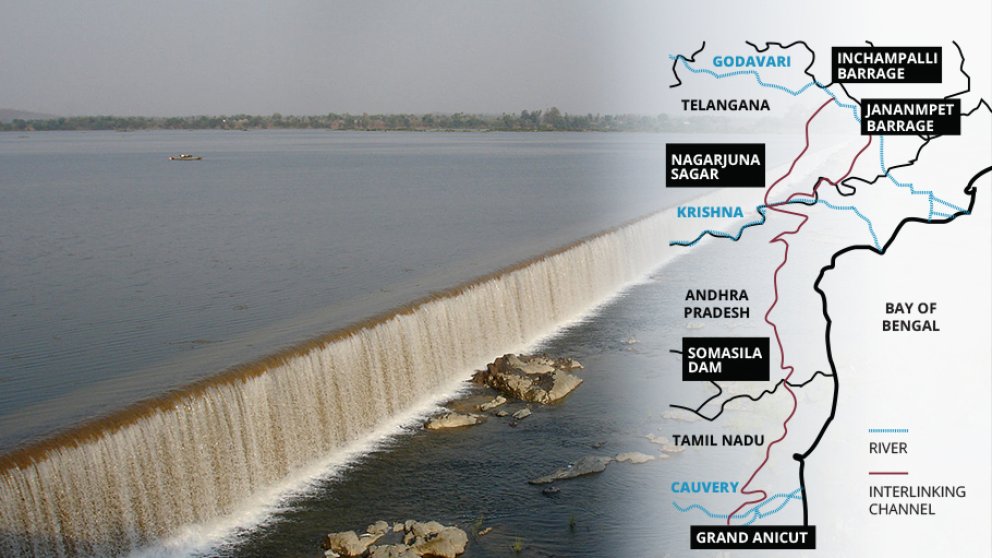
Recently, the Chief Minister urged the Prime Minister to speed up the Godavari-Cauvery-Gundar river link project. This big project aims to join major rivers in Southern India. By connecting these rivers, surplus water from one area can travel to places that suffer from severe drought. Here is a simple guide to understanding why this request was made, how river interlinking works, and what it means for everyday people.
What is the Godavari-Cauvery-Gundar River Link Project?
The Godavari-Cauvery-Gundar project is a plan to move extra water from the Godavari River to the Cauvery and Gundar rivers. The Godavari River often has plenty of water during the rainy season. Sometimes, excess water flows straight into the ocean without being used by anyone. On the other hand, the Cauvery and Gundar river basins often suffer from low rainfall and water shortages.
By building canals, pipes, and pumping stations, scientists and engineers want to move this unused water to areas that desperately need it. The project will carry water across state borders to help millions of families and farmers in Southern India.
Why Did the Chief Minister Make This Urgent Request?
The Chief Minister asked the Prime Minister to intervene because the project has been delayed for a long time. Large infrastructure plans take years to plan, approve, and build. However, dry seasons are becoming worse every year, making water shortages more urgent.
Farmers in Tamil Nadu and surrounding regions need steady water supplies to grow their crops. Without enough water, farm yields fall, food prices go up, and rural families suffer. The CM emphasized that speeding up the project will give long-term water security to millions of people.
When political leaders meet in the capital to push for major infrastructure projects, it highlights the importance of central support. At times, public movements like the Delhi parliament march also highlight how public awareness and political action drive development forward.
Major Benefits of Interlinking Rivers
Linking major rivers brings many benefits to local communities, farmers, and industries. Here are the main advantages of completing the Godavari-Cauvery-Gundar project quickly:
1. Help for Farmers: Agriculture is the main source of income for millions of families. Continuous water supply allows farmers to grow crops multiple times a year instead of relying only on monsoon rain.
2. Safe Drinking Water: Many towns and villages face severe drinking water shortages during hot summer months. The river link will deliver clean drinking water to millions of households.
3. Prevention of Floods and Droughts: During heavy rains, the Godavari river floods near its banks, damaging homes and farms. Diverting excess water away reduces flood damage in one area while preventing drought in another.
There’s more to life than simply increasing its speed.
By Udaipur Freelancer
Challenges Facing the Project
Although river linking sounds like a perfect solution, it comes with several big challenges that cause delays:
First, it costs a tremendous amount of money. Building hundreds of kilometers of canals, acquiring land, and installing huge pumps requires massive financial funding from both the central and state governments.
Second, sharing river water between different states can lead to political disputes. Each state wants to ensure its citizens get enough water before sharing excess water with neighboring regions. Getting every state government to agree on exact water amounts takes careful negotiation.
Third, environmental concerns must be handled carefully. Moving large amounts of water can change local wildlife habitats, forests, and aquatic life. Environmental clearance is needed to make sure nature is protected during construction.
What Needs to Happen Next?
For the Godavari-Cauvery-Gundar link project to move forward rapidly, the central government must take strong leadership. The Prime Minister's approval can help clear bureaucratic hurdles, approve needed funds, and bring different state governments together to sign final agreements.
Modern engineering technologies can also speed up construction while keeping costs down. Working closely with experts, local communities, and environmentalists will ensure the project is built safely and sustainably.
Final Thoughts
The Chief Minister's urge to the Prime Minister shows how important water security is for the future of India. By completing the Godavari-Cauvery-Gundar river link project, millions of farmers will get reliable water, towns will get safe drinking water, and dry regions will turn green again.
Water projects are not just about building canals; they are about securing food, livelihoods, and health for future generations. Speedy action from both central and state leaders will turn this long-held dream into a reality for Southern India.













Recommended for you
Must-See Art Exhibitions Around the World This Year
The Revival of Classical Art in a Digital Age
Breaking Down the Elements of a Masterpiece Painting
The Revival of Classical Art in a Digital Age