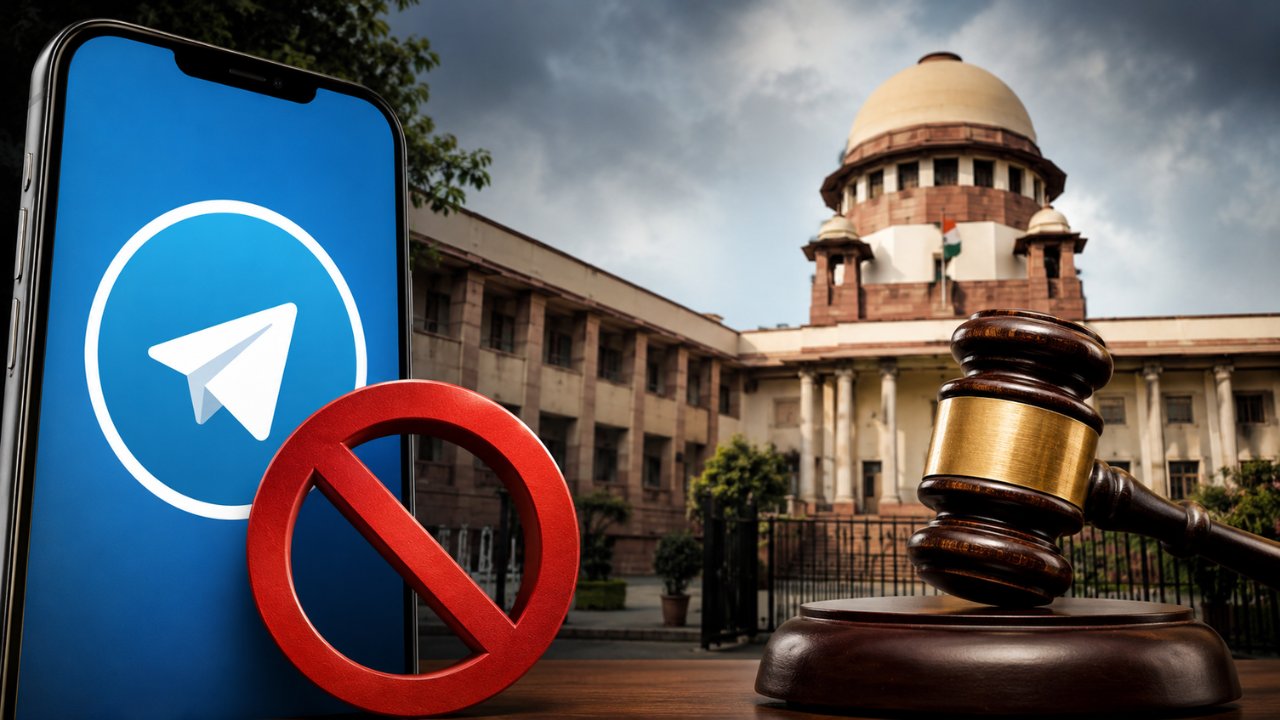
A major development has emerged in the digital space as the Delhi High Court prepares to hear a plea regarding the temporary ban of the Telegram messaging app. The Indian government recently ordered the blocking of the popular platform until June 22. This decision follows serious allegations regarding the leak of the NEET undergraduate medical entrance exam papers.
Why Was Telegram Blocked?
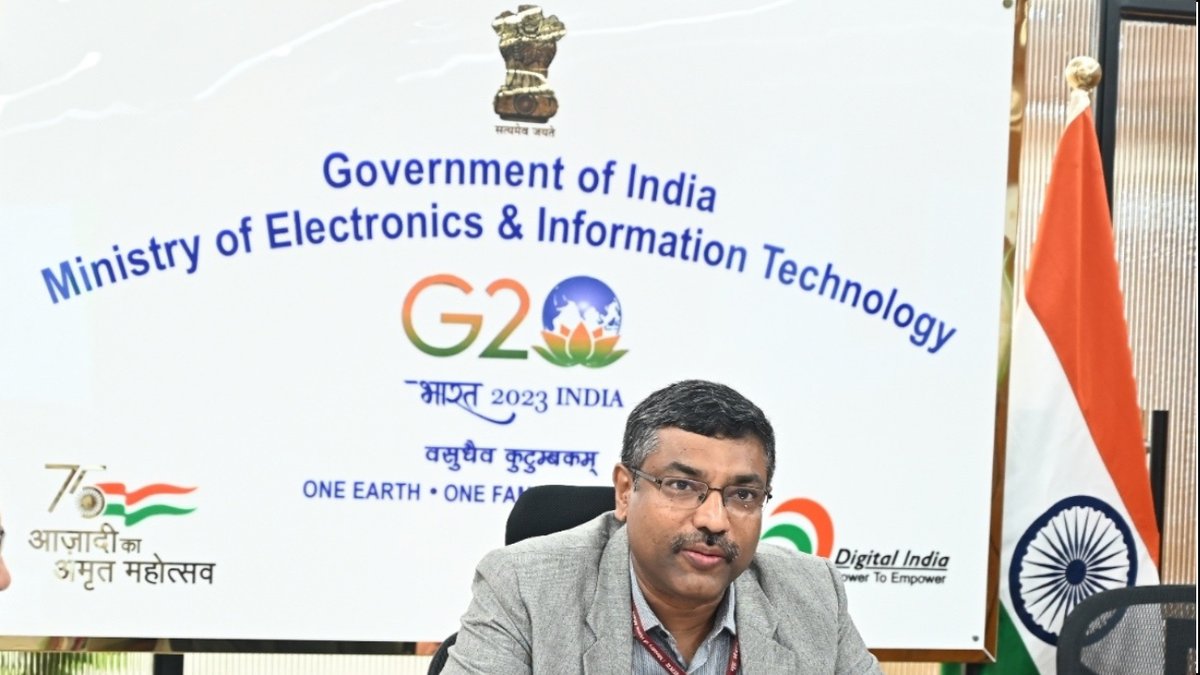
The Ministry of Electronics and IT took this action after a request from the National Testing Agency (NTA). The NTA is responsible for conducting the NEET exam. Because of widespread reports of paper leaks and other irregularities, the government decided to act. The aim is to stop the spread of sensitive exam information that undermines the credibility of national testing. This situation reminds us how fast information moves in the digital age, much like the geopolitical shifts discussed in global forums today.
The Specific Concern: Message Editing
Beyond the total block, the government issued another strict directive. They asked Telegram to disable its message-editing feature for all messages already posted on the platform. This restriction is set to last until June 30. The authorities believe this specific feature has been misused to fabricate evidence of a 'paper leak' after the fact. By changing old messages, bad actors could create false proof to claim that papers were leaked even when they were not.
The Legal Battle Ahead
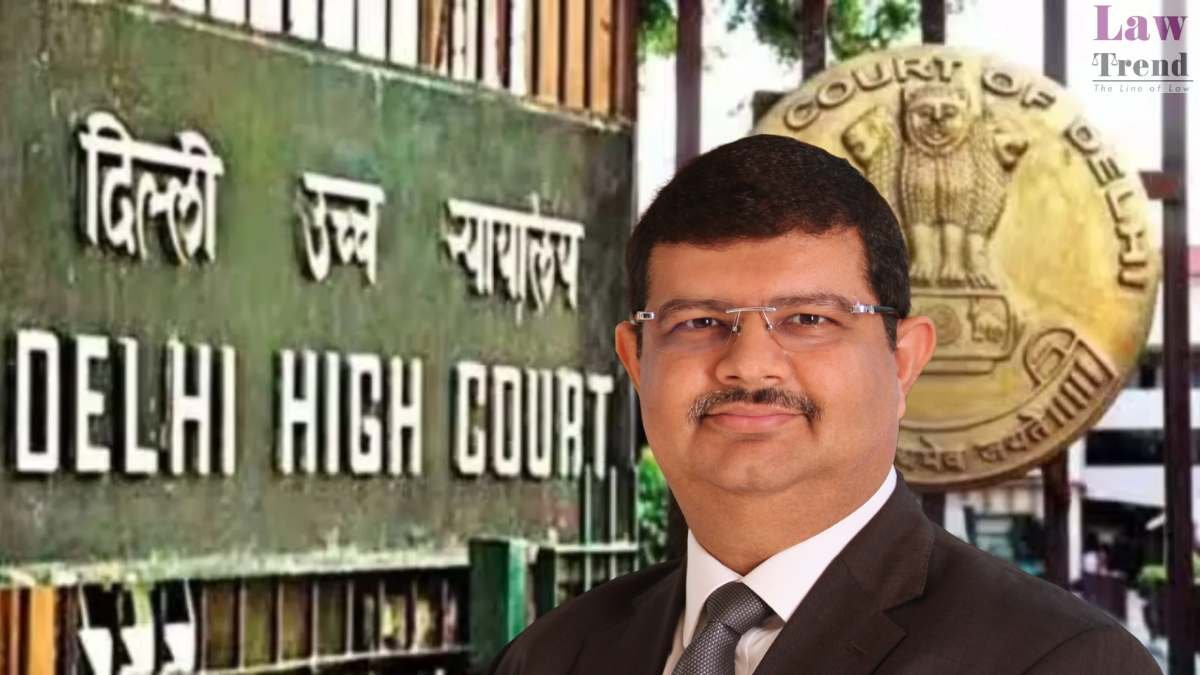
Telegram has challenged these orders in the Delhi High Court. On June 17, Justice Tejas Karia issued a notice to the central government regarding the plea. The court is expected to hear the case today to decide on the future of the platform in India. This hearing is critical for millions of users who rely on the app for communication and information sharing. Whether you are following tech policy or checking on important historical legal milestones, the outcome of this case will be significant.
There’s more to life than simply increasing its speed.
By Udaipur Freelancer
What Happens Next?
The tech world is watching closely. The balance between digital privacy, freedom of speech, and the need for fair competitive exams is a delicate one. If the court finds that the government's measures are necessary to protect the integrity of national examinations, it could set a precedent for how messaging apps are regulated in the future. For now, users remain in a state of uncertainty as they wait for the court's final decision.
We will keep you updated as more news comes in from the Delhi High Court hearing. Stay tuned for further developments on this ongoing story.
Udaipur Freelancer delivers high-quality web, marketing, and design solutions. We focus on building impactful digital experiences that help your brand succeed in today's market.
















Recommended for you
Must-See Art Exhibitions Around the World This Year
The Revival of Classical Art in a Digital Age
Breaking Down the Elements of a Masterpiece Painting
The Revival of Classical Art in a Digital Age