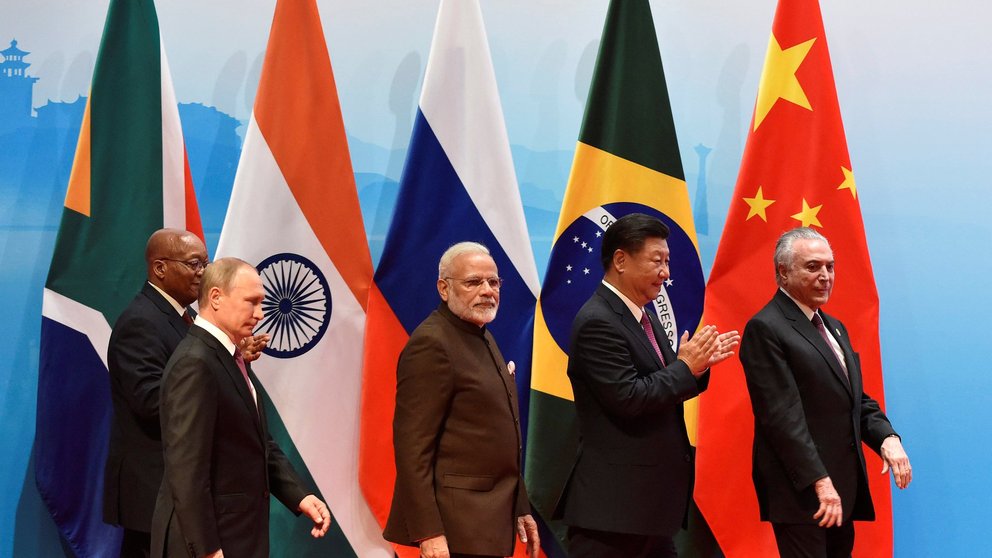
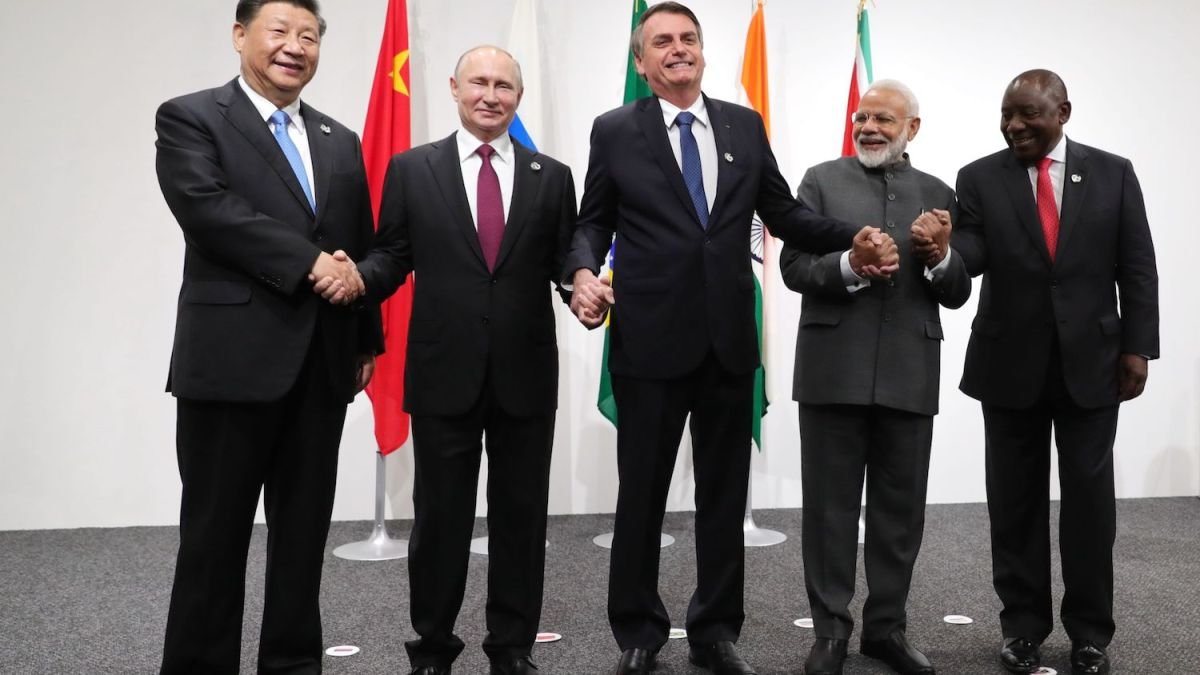
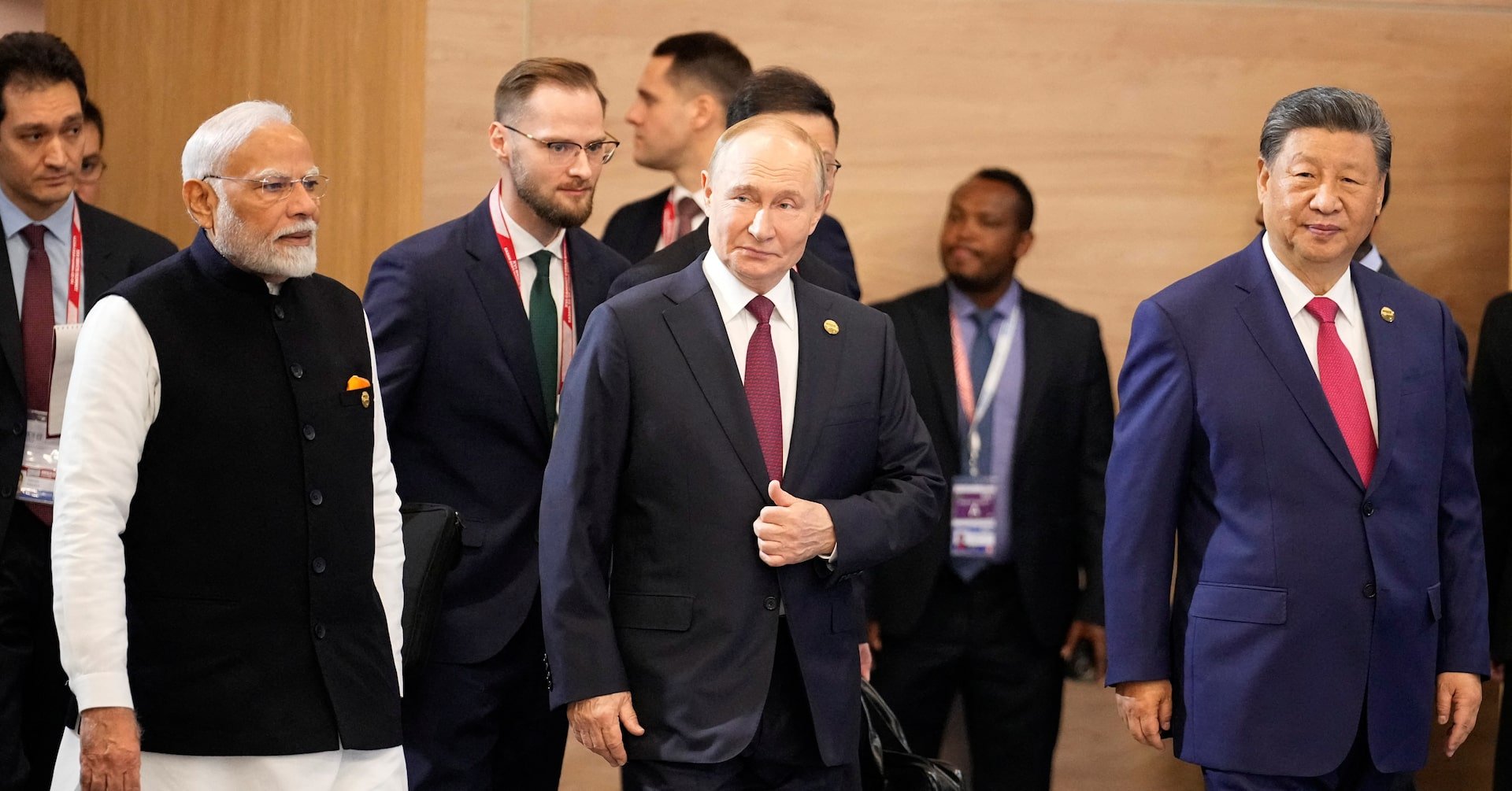
The world feels like a swirling ocean right now, full of big waves and changing currents. From ongoing conflicts in various regions to economic shifts and new global challenges, it's clear we're living in a time of significant change. In the middle of all this global movement, India is getting ready to host a really important meeting. We're talking about the BRICS Summit, happening in New Delhi on September 12 and 13. And guess what? Two of the most powerful leaders in the world, Russia’s President Vladimir Putin and China’s President Xi Jinping, are expected to be there.
This isn't just any meeting. It's a moment when global eyes will turn to India. Russia has officially confirmed that President Putin will participate. And while China hasn't given a full thumbs-up yet, there's a strong feeling that President Xi Jinping will also attend. If he does, it will be a really big deal, marking his first visit to India since October 2019. The sheer presence of these two leaders, alongside other BRICS heads, underscores the summit's high stakes in shaping future international relations.
Why Xi Jinping’s Possible Visit Matters So Much
Think about it: Xi Jinping hasn't been to India in years. Since his last visit, a lot has happened between India and China. We've seen tough times, like the border clashes in Galwan Valley in June 2020 and another tense standoff in Tawang in December 2022. These events really put a chill on the relationship between the two Asian giants, leading to strained diplomatic ties and increased military presence along their shared border.
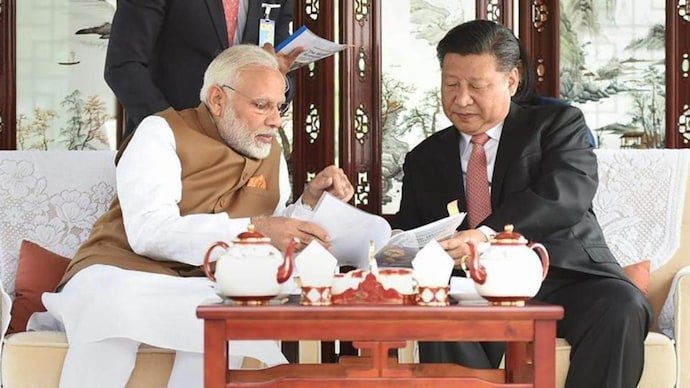
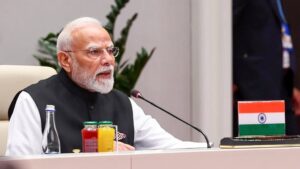
Before these border issues, Prime Prime Minister Narendra Modi and President Xi Jinping had met in more cordial settings. But after the standoffs, their first meeting was on the sidelines of another BRICS Summit in Russia, a significant but brief encounter. So, if Xi comes to New Delhi, it's not just about the larger BRICS agenda; it’s also a crucial chance for the two leaders to meet face-to-face again. Such a meeting could potentially signal a thaw in their often-rocky relationship or at least an opportunity to discuss ways to manage ongoing tensions more effectively.
BRICS: What Is It, Really?
For those who might not know, BRICS started with Brazil, Russia, India, and China. Later, South Africa joined, making it BRICS. The first summit was way back in 2009. The main idea behind creating BRICS was to build a more balanced world, one where not just a few Western countries call all the shots. They wanted to challenge the power of groups like the G7 and institutions like the IMF and World Bank, giving a louder voice to developing nations around the globe. This quest for a more equitable global order remains a core driving force behind the grouping.
It's about trying to create a "multipolar world order," meaning power isn't centered in just one or two places but is spread out among many countries. This vision is still very much alive, even as the world faces new challenges and conflicts, pushing the BRICS nations to find common ground and joint strategies for economic development and global governance.
Cracks in the Foundation?
Even with this big vision, BRICS isn't without its own problems. Like any group of powerful nations, there are sometimes disagreements, especially when it comes to complex geopolitical issues. Recently, these internal differences have become quite clear. For instance, talks between the deputy foreign ministers and special envoys of the 11-member bloc (BRICS has expanded beyond its original members) in April failed to produce a joint statement.
Why? Well, there were disagreements over some pretty big global issues, like the tensions involving the US and Iran, and the relationship between Iran and the UAE. There were also reported disputes over how to talk about the Israel-Palestine situation. These kinds of disagreements led to a diplomatic stalemate, showing that even within BRICS, members don't always see eye-to-eye on everything. Navigating these sensitive topics will be a key challenge for the upcoming summit. If you're interested in understanding specific regional dynamics, you might find insight in analyses like Pezeshkian's open letter explained, which sheds light on political currents in the Middle East and highlights the complexities leaders face.
There’s more to life than simply increasing its speed.
By Udaipur Freelancer
India’s Moment to Lead
This is where India steps in with a really important job. As the host nation for this critical summit, India is in a key position to help guide the BRICS group. The theme for this 18th BRICS Summit is "Building for Resilience, Innovation, Cooperation and Sustainability." This theme perfectly highlights what India hopes to achieve: bringing the group together, finding common ground, and dealing with the big challenges the world faces today, from climate change to economic stability.
In a world that feels more divided than ever, India’s diplomatic skills and its ability to bring different viewpoints together will be crucial. New Delhi aims to bridge gaps and ensure the grouping remains a powerful voice for developing nations. The fact that the summit is happening in its capital, with Putin and likely Xi in attendance, makes it a truly pivotal moment for global politics. It’s a chance for India to show its leadership and its commitment to fostering a global order that is more inclusive and respects all voices, even amidst internal debates.
What This Summit Means for the Future
The BRICS Summit in New Delhi is more than just a gathering of leaders. It's a significant test of whether these developing nations can truly come together to shape the future. Can they overcome their own disagreements and present a united front on major global issues? Can they offer real solutions to pressing global problems, from economic instability to geopolitical conflicts, without allowing internal rifts to derail their collective mission?
The presence of two highly influential leaders, Putin and Xi, under India's guidance, adds immense weight to these discussions. Their interactions, both public and private, could hint at new directions for global power dynamics, trade relationships, and even regional security. It’s a stage where the future of international cooperation, especially among non-Western powers, will be debated and potentially redefined. When we consider the intricate nature of international relations, especially concerning borders and sovereignty, it reminds us of situations like the one detailed in the report about Pakistan's airstrikes near the Afghanistan border, highlighting how delicate and consequential such matters are for global stability.
So, as September approaches, all eyes will be on New Delhi. This summit isn’t just about the BRICS nations; it's about the kind of world we want to live in – a world where more voices are heard, and where cooperation can still win over division. India is ready to host, ready to lead, and ready to navigate these complex waters for a more resilient and sustainable future for all.
Udaipur Freelancer delivers high-quality web, marketing, and design solutions. We focus on building impactful digital experiences that help your brand succeed in today's market.










Recommended for you
Must-See Art Exhibitions Around the World This Year
The Revival of Classical Art in a Digital Age
Breaking Down the Elements of a Masterpiece Painting
The Revival of Classical Art in a Digital Age