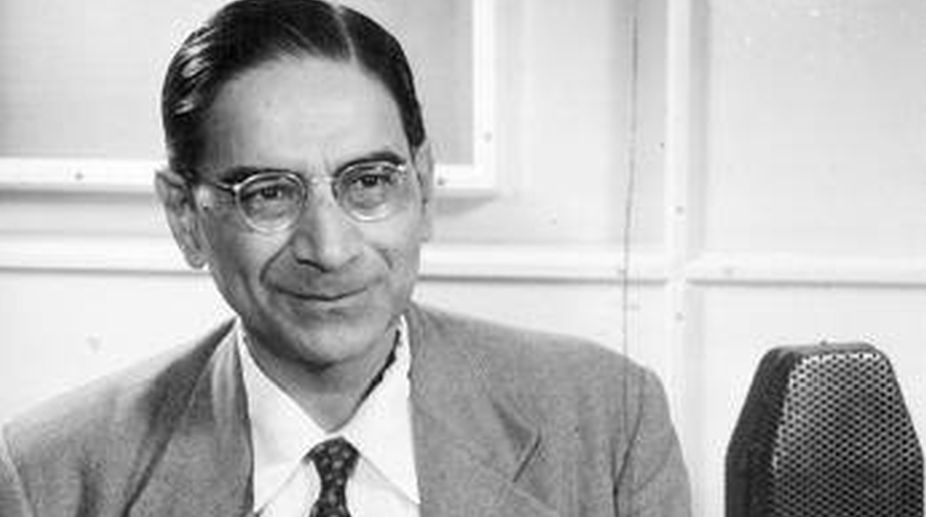
In the winter of 1931, a visionary named P.C. Mahalanobis started the Indian Statistical Institute (ISI) in Kolkata. He had a simple but powerful conviction: that rigorous statistical thinking could help India become a better-governed country. Within just one generation, ISI was doing incredible work. It helped design India's early Five-Year Plans, built the National Sample Survey from scratch, and sent brilliant graduates to top universities and research centers around the world. For a long time, ISI was truly a world-class institution of higher learning.
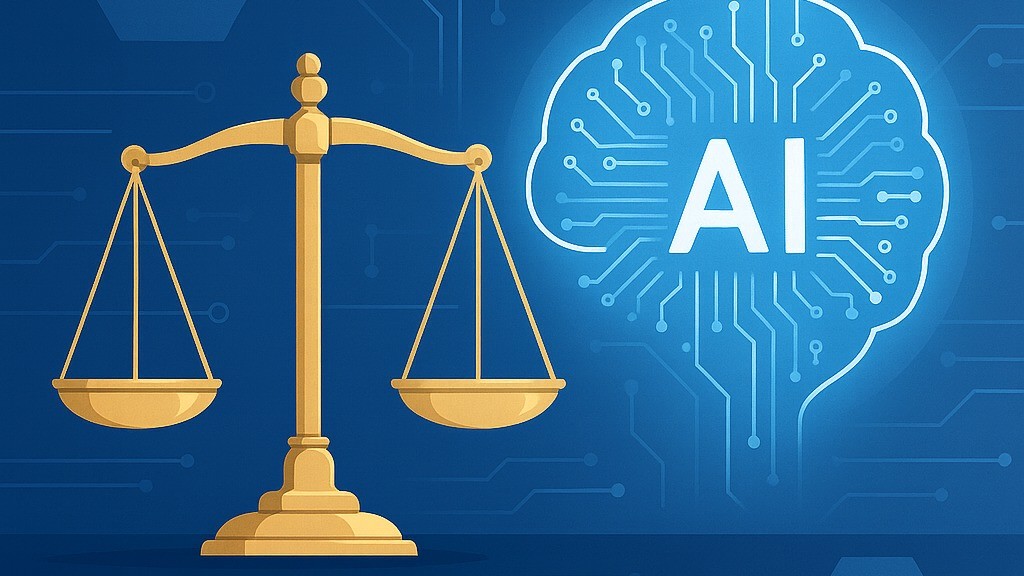
Unfortunately, that is no longer clearly true today. While the world is changing rapidly, ISI has remained stuck in its old ways. The reasons for this decline are important to state clearly. Today, artificial intelligence (AI) and machine learning are transforming every industry, government function, and scientific field. The absolute foundation of AI is built on probability, statistical inference, uncertainty, and mathematical modeling. These are the very subjects ISI was created to teach. ISI should be at the absolute center of this global AI wave, but instead, it is watching from the sidelines.
The Real Problem Inside ISI
This failure to lead is not because of a lack of talent. Inside the walls of ISI, there are still highly dedicated researchers, proud alumni, and excellent students. The real problem lies in the way the institute is governed. Over the past few decades, its leadership structure has slowly calcified. The Governing Council, which should be a small and fast group setting strategic goals, has grown to a massive 33 members. Out of these, 17 are effectively internal members. This makes it very hard to make bold, objective choices.
Furthermore, division heads at ISI are chosen through internal elections. This system often rewards popularity instead of academic excellence or leadership skills. On top of that, a General Body of over 1,000 members, which includes many former staff, has the power to veto any serious reform attempt. Just as sports analysts dissect the reasons behind an India vs New Zealand ODI series loss to fix team performance, we must look closely at what is holding ISI back. This old setup has made organizational changes almost impossible for fifty years.
A Contrast with IITs and IIMs
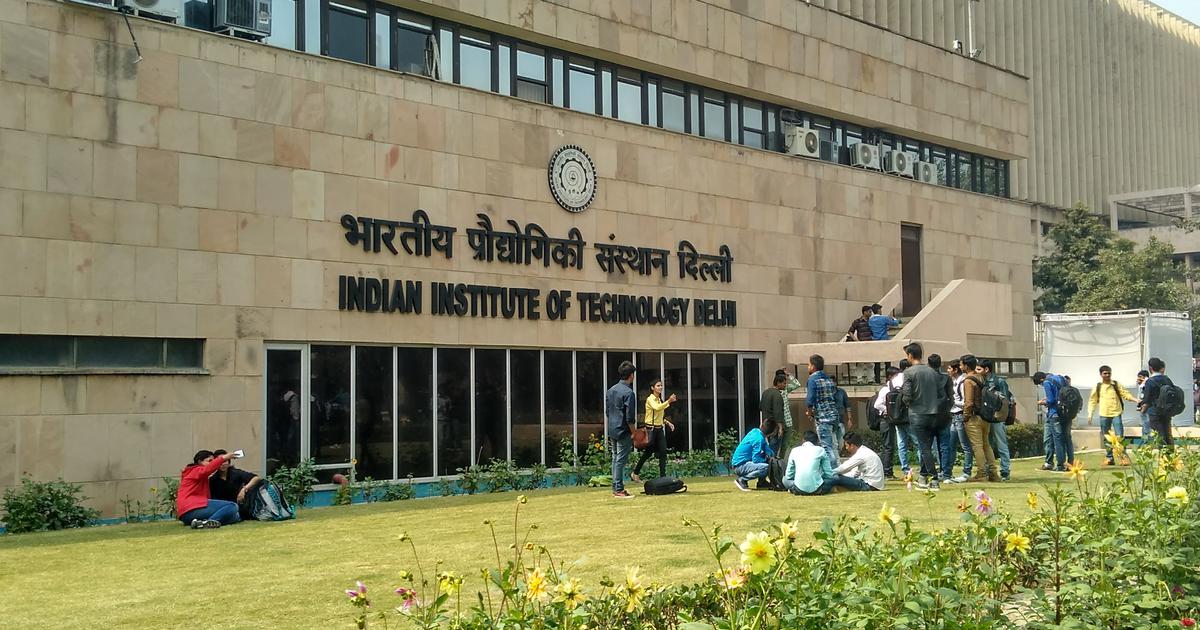
It is helpful to compare ISI with India’s Indian Institutes of Technology (IITs) and Indian Institutes of Management (IIMs). The difference is stark. For example, IIT Kharagpur became a proper statutory body back in 1956, three years before the first ISI Act was passed. The Institutes of Technology Act of 1961 gave every IIT a small, efficient board, merit-based leadership selection, and the freedom to grow. The IIMs received a similar, modern governance structure in 2017.
Because of these modern structures, both the IITs and IIMs grew quickly in student capacity, academic quality, and global reputation. In contrast, ISI has remained stuck with a society structure created in the 1930s. While India has updated its laws to support clean energy transitions, such as adopting E85 ethanol fuel in India to modernize transport and reduce emissions, the country has been much slower to update its premier statistical institute's laws. This resistance to change has kept ISI from expanding its horizons.
How the Draft ISI Bill 2026 Can Fix This
Fortunately, change is on the horizon. The Draft ISI Bill 2026 directly targets these core governance issues. First, it replaces the massive 33-member council with a lean 11-member Board of Governance. This new board will feature a healthy balance of internal and external experts. Second, ISI will become a proper corporate body, removing the old procedural veto that has blocked progress for over half a century. This will allow the institute to make fast decisions.
There’s more to life than simply increasing its speed.
By Udaipur Freelancer
The bill also gives real administrative and financial power to ISI’s regional centers in Delhi, Bengaluru, Chennai, and Tezpur. This autonomy is long overdue. Finally, the bill formally expands ISI's teaching mandate to include AI and other modern computing disciplines. While a top-tier math institute should not need a new law just to teach AI, this explicit mandate will help break any remaining bureaucratic hesitation inside the institute and push it forward.
The Challenge of Scale
While the Draft ISI Bill 2026 is a massive step forward, a law by itself cannot solve every issue. The other big challenge is scale. Currently, ISI only admits about 550 to 600 students each year. In comparison, the IITs admit close to 2,500 students annually. If ISI wants to be highly competitive by its centenary in 2031, this gap has to close. India desperately needs more experts who can analyze data, design machine learning algorithms, and manage complex uncertainty.
The demand from both private industries and the government is immense. The talent is there, but ISI needs the physical and administrative capacity to welcome them. By reforming its governance, ISI can finally expand its campus capacities, build new partnerships, and train the next generation of data scientists. We cannot afford to keep our best institutions small and isolated.
Conclusion: Reclaiming a Great Legacy
During the parliamentary debates on the original ISI Bill in December 1959, several lawmakers warned about these exact governance issues. Sadly, it took 66 years to finally address those warnings with new legislation. The Draft ISI Bill 2026 is an excellent starting point. However, passing the bill is only half the battle. India must implement these reforms with serious determination. It is time to free ISI from its outdated structure and allow it to lead the data and AI revolution. Only then can we honor P.C. Mahalanobis's great dream.
Udaipur Freelancer delivers high-quality web, marketing, and design solutions. We focus on building impactful digital experiences that help your brand succeed in today's market.















Recommended for you
Must-See Art Exhibitions Around the World This Year
The Revival of Classical Art in a Digital Age
Breaking Down the Elements of a Masterpiece Painting
The Revival of Classical Art in a Digital Age