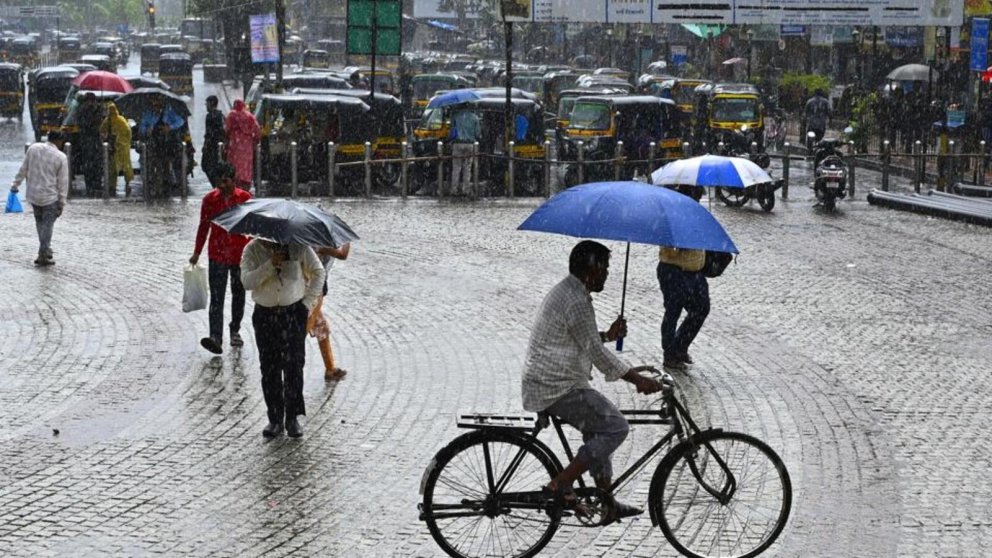
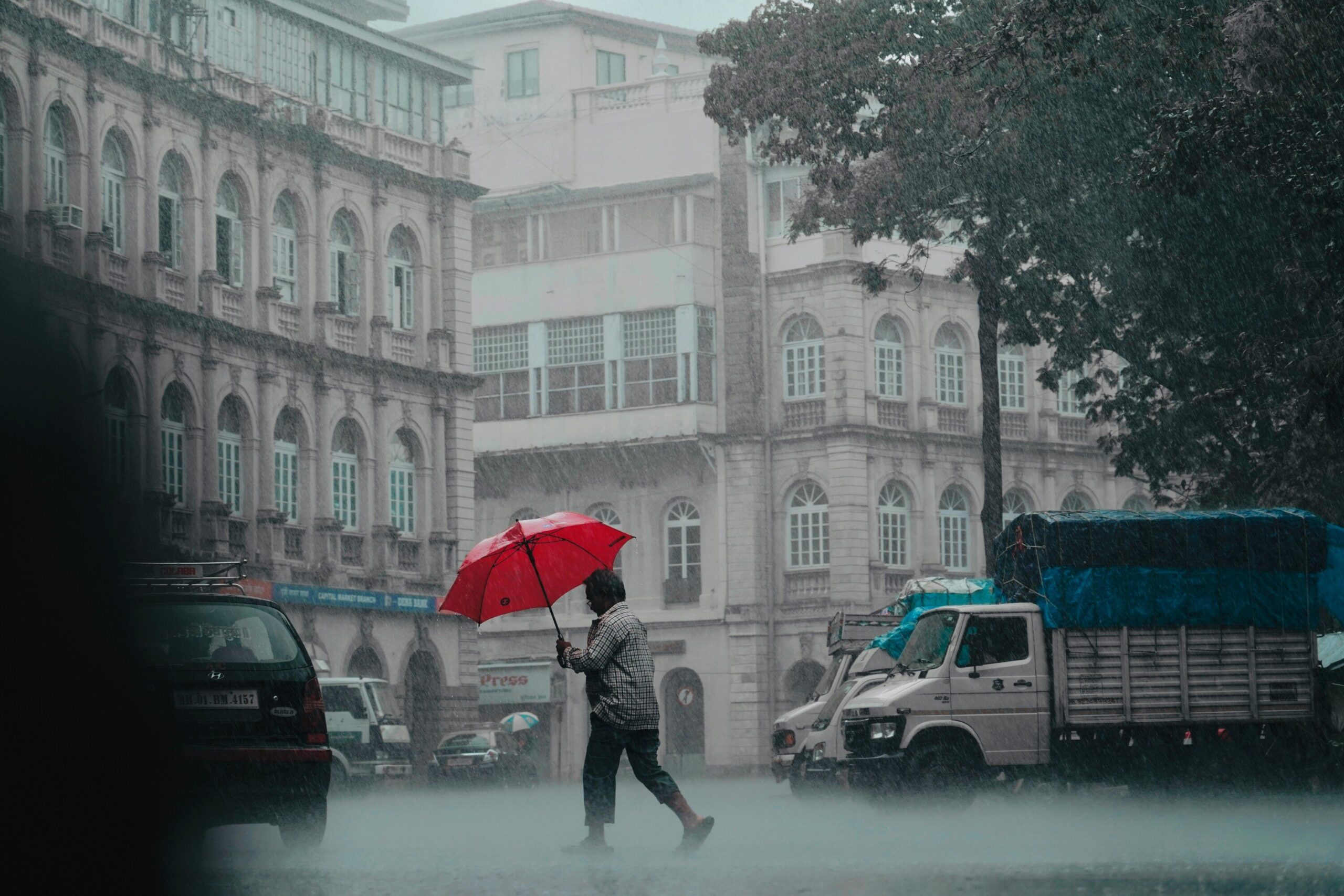
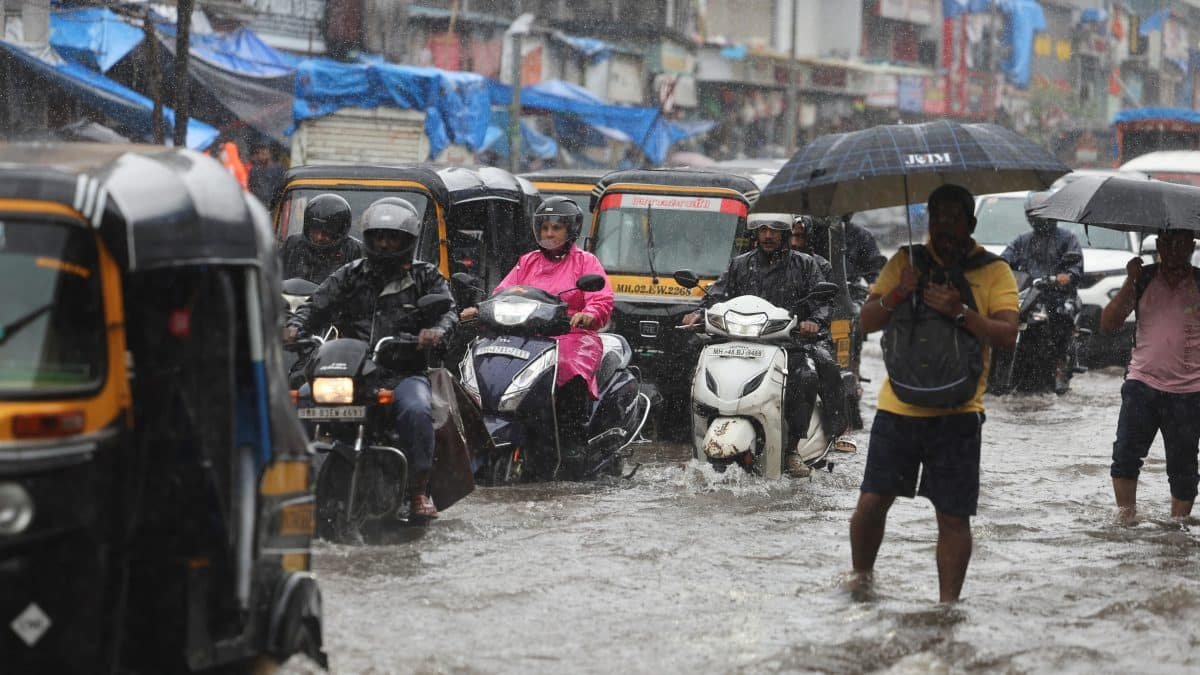
Ah, Mumbai and its monsoon! It's a relationship as iconic as the city itself – a mix of relief from the heat, the romance of the rains, and, unfortunately, the annual nightmare of potholes. For countless years, Mumbaikars have navigated these treacherous craters, enduring bumpy commutes and the constant worry of vehicle damage. But a massive project by the BMC (Brihanmumbai Municipal Corporation) has been underway to change this narrative, promising a future of smooth, pothole-free concrete roads. Now, as the city prepares for its annual drenching, the BMC has hit pause on this ambitious concretisation work. The big question on everyone's mind: how much has been done, and are we truly ready for the rains?
The Grand Vision: Concretising Mumbai's Lifelines
The journey towards better roads began in 2022 when former Chief Minister Eknath Shinde announced a game-changing plan. The goal was nothing short of transforming 713 km of Mumbai's key road network into durable, concrete surfaces. This isn't just a small repair job; it’s a mega project costing an astounding Rs 17,700 crore, designed to deliver roads that can withstand the city's heavy traffic and, crucially, its intense monsoon seasons. The aim is clear: eliminate the endless cycle of road repairs, patch-ups, and the daily inconvenience caused by crumbling asphalt. For residents, this means less time stuck in traffic due to diversions around broken patches and a significant improvement in overall driving conditions.
Impressive Milestones Achieved Pre-Monsoon
Before the work halted on June 5, the BMC achieved truly remarkable progress. The latest data shows that an impressive 80.63% of the total concretisation target has been met. To put that into perspective, 574.88 km of roads across the city now boast that sturdy, smooth concrete finish. This accomplishment speaks volumes about the dedication and hard work of the civic body and its contractors. The project was divided into two significant phases. Phase 1, initially targeting 325 km of roads, is almost complete, with a staggering 89% (290 km) successfully concretised. Phase 2, which saw its tenders awarded later in August 2024, has also made excellent headway, achieving 73.30% of its targets. These figures clearly show a concerted effort to race against the clock and complete as much as possible before the downpour begins.
Why the Pause? Understanding Concrete's Demands
Halting such a massive project just as it’s nearing completion might seem counter-intuitive, but it's a critical decision driven by engineering realities. A senior official explained the simple yet crucial reasons: laying concrete roads involves a meticulous three-stage process. First, the old road is excavated. Then, the dug-up portion is filled with a layer of dry-lean concrete. Finally, this is topped with high-quality pavement quality concrete. After all these steps, the newly laid concrete needs a vital "curing period" – essentially, time to dry and harden properly to achieve its maximum strength and durability. During Mumbai's heavy monsoon, this process becomes impossible. Rainwater can't be allowed to mix with the wet concrete, nor can fresh concrete be left exposed to constant downpours as it sets. Doing so would severely compromise the road's quality, leading to premature cracks and an overall weaker structure. Thus, the pause from June to October isn't a setback; it's a strategic move to ensure that the work done is of the highest standard, delivering on the promise of long-lasting, pothole-free roads.
The Road Ahead: What to Expect Post-Monsoon
While the overall progress is commendable, there's still work to be done. Approximately 10% of the roads included in the project are yet to see any concretisation work begin. According to the civic dashboard, a notable number of these unstarted sections are concentrated in the island city division. This means that while many parts of Mumbai will experience the benefits of new concrete, some areas, particularly in the older, denser parts of the city, might still face challenges during the upcoming monsoon season. However, Mumbaikars can look forward to October. Once the monsoon clouds clear and the weather permits, the BMC plans to resume full-scale operations. The remaining 10% of roads will be tackled with renewed vigour, along with any necessary finishing touches on existing sections. This future promises a significantly better driving experience, making those daily commutes much smoother, regardless of whether you prefer an automatic or manual car.
There’s more to life than simply increasing its speed.
By Udaipur Freelancer
A Smoother Mumbai: Beyond Just Roads
This massive concretisation project represents more than just a change in road material; it signifies a substantial upgrade to Mumbai's urban infrastructure and a direct improvement in the daily lives of its residents. Fewer potholes translate into safer journeys for everyone, from pedestrians to motorists. It means less wear and tear on vehicles, saving Mumbaikars money on repairs. Crucially, smoother roads contribute to better traffic flow, reducing frustrating jams and making the city's transport network more efficient. This kind of foundational improvement is vital for a bustling metropolis like Mumbai, ensuring it can continue to thrive as an economic powerhouse. Just as we invest in personal well-being, like choosing the right sleep support to avoid a pillow causing neck pain, investing in robust infrastructure is key to the city's overall health and comfort.
So, as Mumbai embraces the monsoon, we can do so with a sense of anticipation. A significant portion of our roads is now fortified and ready to face the deluge. The temporary pause is a testament to the commitment to quality, ensuring that when the project is fully complete, Mumbaikars will indeed have the resilient, pothole-free roads they’ve long deserved. Here's to looking forward to a future of safer, smoother, and truly improved commutes!
Udaipur Freelancer delivers high-quality web, marketing, and design solutions. We focus on building impactful digital experiences that help your brand succeed in today's market.













Recommended for you
Must-See Art Exhibitions Around the World This Year
The Revival of Classical Art in a Digital Age
Breaking Down the Elements of a Masterpiece Painting
The Revival of Classical Art in a Digital Age