A grave incident has sent shockwaves through the maritime community and sparked a high-level diplomatic confrontation between India and the United States. In a clear and strong message, India has lodged an official protest with the US government following a series of attacks by American naval forces in the Gulf that tragically resulted in the deaths of three Indian seafarers.
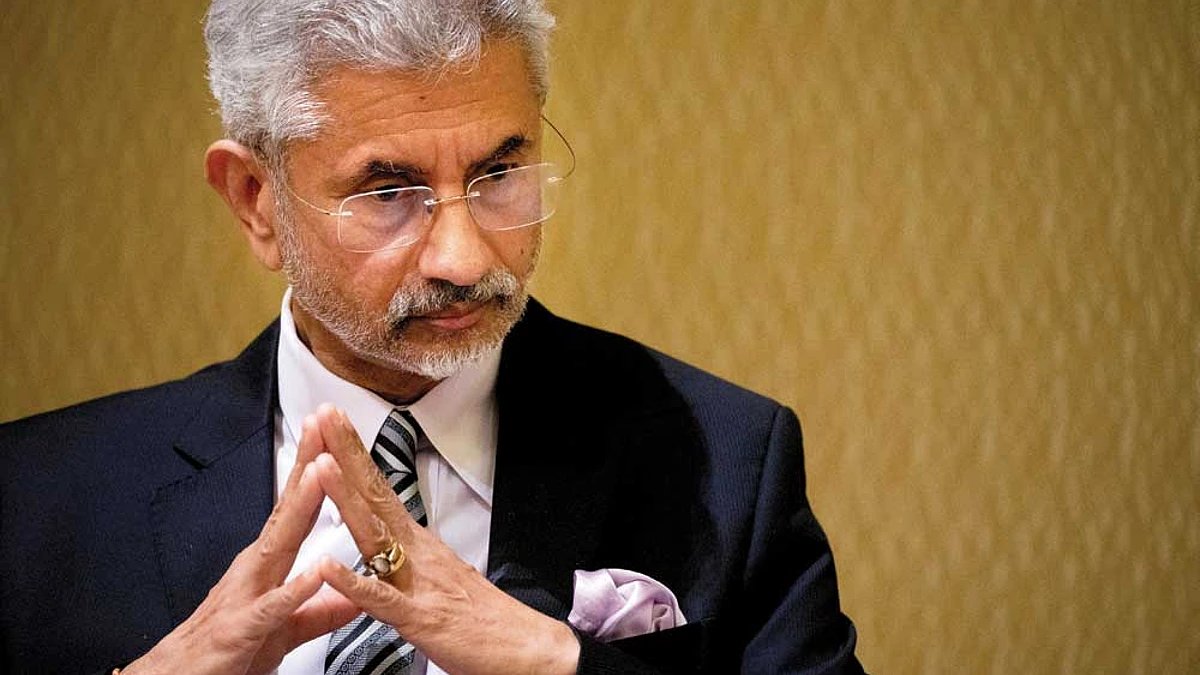
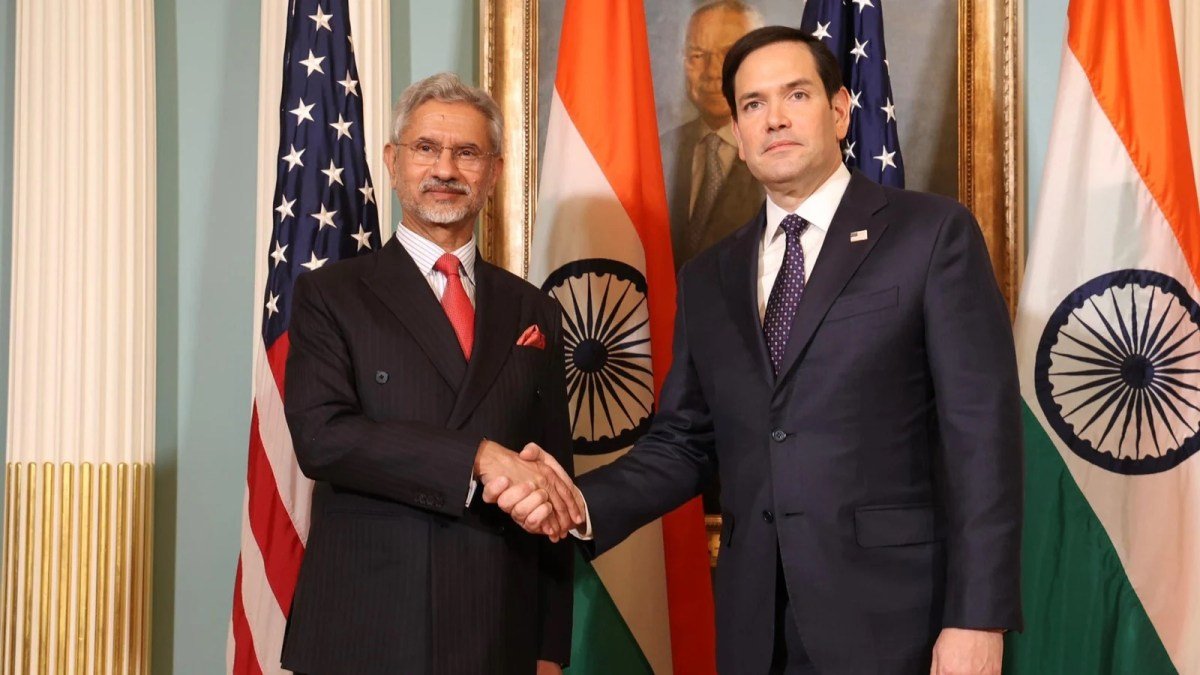
External Affairs Minister Dr. S. Jaishankar himself took up the matter, speaking directly with US Secretary of State Marco Rubio. His message was unequivocal: India considers these lethal actions against commercial shipping completely unjustified and has registered its strongest possible protest. This direct diplomatic engagement highlights the seriousness with which India views the safety of its citizens abroad, especially those working in challenging environments like the Gulf waterways.
The Tragic Incidents Unfold
The events leading to this diplomatic stand-off began with a devastating attack on the MT Settebello. This commercial vessel, carrying 24 Indian seafarers, came under fire, leading to three of its crew members going missing. The worst fears were confirmed as the government later announced the tragic deaths of these three Indian mariners. While 21 other Indians on board were fortunately rescued, the loss of life is a profound sorrow that resonates across the nation.
Just a day later, another alarming incident occurred. The MT Jalveer, a Guinea-Bissau-flagged tanker, faced a similar assault near the Oman coast. US forces reportedly fired Hellfire missiles directly into the vessel's engine room. Thankfully, in this instance, all 20 Indian seafarers on board were safely evacuated, averting another potential catastrophe. However, the repeated nature of these attacks, specifically targeting commercial vessels with Indian crew, has raised serious concerns about maritime safety and the rules of engagement in international waters.
India's Swift and Decisive Response
India's response was swift and multi-pronged. Beyond Minister Jaishankar’s direct conversation with Secretary of State Marco Rubio, the Ministry of External Affairs (MEA) immediately summoned the US charge d’affaires (CDA), Jason Meeks. During this meeting, K. Nagaraj Naidu, Additional Secretary (Americas division), conveyed India’s deep concerns and officially lodged the nation’s protest over the series of attacks.
The language used by Minister Jaishankar in his public statement and on social media platform X was firm. He emphasized that “Such lethal actions against commercial shipping are not justified.” This statement underscores India's position that regardless of the circumstances, commercial vessels and their crews, who are often civilians simply doing their jobs, should not become targets of military action. The diplomatic pressure exerted is a clear signal that India will not tolerate actions that endanger its citizens or disrupt international shipping.
Why This Matters for Global Shipping and Beyond
These incidents in the Gulf of Oman are not just about India and the US; they have broader implications for global maritime safety and the rules governing international waters. The Gulf is a critical artery for global trade, with countless commercial vessels transiting through it daily. When commercial shipping lanes become areas of conflict or miscalculation, it poses a direct threat to the global economy and the livelihoods of millions of seafarers worldwide.
There’s more to life than simply increasing its speed.
By Udaipur Freelancer
For India, a nation with a vast coastline and a significant stake in international trade, ensuring the safety of its mariners is paramount. Indian seafarers are a vital part of the global maritime workforce, contributing significantly to their families and the national economy. Their safety and well-being are non-negotiable, and any threat to them is met with the strongest possible diplomatic efforts.
The incident also puts a spotlight on the complex dynamics of international relations. While India and the US share a growing strategic partnership, incidents like these test the strength and maturity of that relationship. It demonstrates that even close allies must be prepared to address serious concerns and uphold principles of accountability and justice. As nations navigate complex global dynamics, the safety of citizens, whether at sea or dealing with policy changes like the Delhi Police Recruitment Ex-Agniveer Policy, remains paramount.
Looking Ahead: Demanding Accountability and Prevention
The immediate focus for India will be on securing a thorough investigation into these attacks, ensuring accountability for the deaths of its citizens, and preventing such incidents from happening again. It's crucial for all parties involved to clarify the rules of engagement and ensure that commercial shipping, which is the lifeline of global commerce, remains safe and unhindered.
This tragic incident serves as a stark reminder of the human cost of geopolitical tensions, much like how intense competition is seen in other global arenas, for instance, predicting which films are already locking in 2026 Oscar nominations. The lives of innocent seafarers should never be collateral damage in any conflict or operation. India's firm stance reflects its commitment to protecting its citizens and upholding international norms that ensure the safety of commercial navigation.
The world will be watching how this diplomatic challenge is resolved. It's a moment that calls for careful dialogue, mutual understanding, and a renewed commitment to safeguarding human lives and the principles of peaceful global commerce. India has spoken clearly; now, the ball is in the court of its strategic partners to respond with the seriousness and sensitivity this grave situation demands.
Udaipur Freelancer delivers high-quality web, marketing, and design solutions. We focus on building impactful digital experiences that help your brand succeed in today's market.















Recommended for you
Must-See Art Exhibitions Around the World This Year
The Revival of Classical Art in a Digital Age
Breaking Down the Elements of a Masterpiece Painting
The Revival of Classical Art in a Digital Age