Forty years. A significant span of time, enough for generations to change, technologies to transform, and the world to look entirely different. Yet, some stories, some challenges, continue to echo through the decades. Today, we're looking back exactly forty years to June 13, 1986, a day when headlines captured not just India's internal struggles but also its place in a changing global landscape.
At the heart of the national news on that day was a familiar and persistent issue: the land dispute between Punjab and Haryana. This wasn't just about land; it was about identity, resources, and the complex process of state reorganization that followed India's independence. The bone of contention, as it often was, revolved around Chandigarh, the shared capital, and the compensatory land Haryana was to receive for its transfer to Punjab.
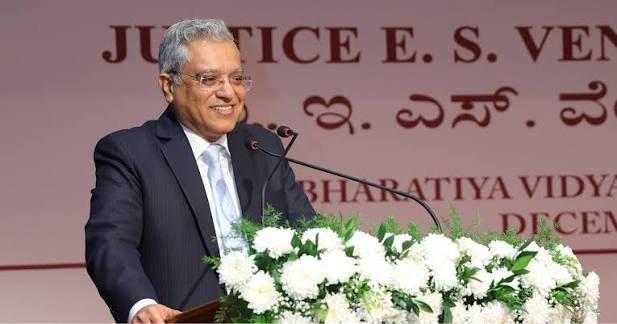
The Venkataramiah Commission's Verdict: A Step, Not a Solution
Back in 1986, the government had announced that Chandigarh would indeed go to Punjab on June 21. This was a crucial decision, but it came with a significant caveat: it hinged on a settlement between the chief ministers of the two states regarding the transfer of Hindi-speaking areas to Haryana in return. Enter the Venkataramiah Commission, a body tasked with finding a resolution. The commission made a significant award, granting 70,000 acres of land to Haryana. On paper, this sounded like progress, a definitive step towards equity.
However, the devil, as they say, was in the details – or, in this case, the lack thereof. The commission, while awarding the land, had not identified the specific areas. This omission created a fresh hurdle, essentially kicking the can down the road. Instead of pinpointing the exact parcels of land, the commission suggested either the appointment of yet another commission to determine these areas or, ideally, a settlement reached directly between the two states' chief ministers. This left the core issue unresolved, a recurring theme in many complex interstate disputes.
Why Such Disputes Linger
The Punjab-Haryana land dispute is a microcosm of broader challenges in India. State boundaries, especially in a diverse nation, are often intertwined with linguistic identities, cultural heritage, and access to resources like water and fertile land. Every acre, every village, can hold immense symbolic and practical value. When commissions make broad awards without precise demarcation, they inadvertently prolong the uncertainty and potential for friction.
This particular dispute, rooted in the 1966 reorganization of Punjab (which led to the creation of Haryana), highlights the difficulty of creating clear-cut divisions in regions with mixed populations and long-standing historical ties. Forty years later, while the immediate intensity of that 1986 moment has faded, the underlying issues and their resolutions (or lack thereof) continue to influence regional politics and sentiments.
There’s more to life than simply increasing its speed.
By Udaipur Freelancer
A Glimpse at the World Beyond
While India grappled with its internal matters, the global stage on June 13, 1986, presented its own set of dramas. France, for instance, extended an offer to transfer high technology to India without preconditions. This was a significant gesture, reflecting the burgeoning diplomatic ties between the two nations and India's aspiration for technological advancement. In a world increasingly shaped by innovation, such offers were crucial for national development, much like today’s focus on areas such as securing the software supply chain with SBOMs has become paramount for digital economies.
Meanwhile, closer to home, the Maharashtra and Karnataka Chief Ministers were discussing another boundary region dispute, this time concerning the compulsory introduction of Kannada in primary schools. It's a reminder that such interstate disagreements are not isolated incidents but part of a larger pattern in a federal system. On the international front, the Cold War was still very much a reality. The White House declared the SALT-2 strategic arms treaty dead, signaling a hardening stance in US-Soviet relations. This decision, based on 'Soviet behaviour,' underscored the continuous shifts in global power dynamics and defense strategies, a stark contrast to modern concerns like those seen in missed opportunities in anti-drone tech in contemporary conflicts.
Lessons from the Past
Looking back, the events of June 13, 1986, offer valuable insights. They show us that complex problems, especially those involving land and identity, require not just legal frameworks but also sustained political will and genuine dialogue to resolve. The suggestion for chief ministers to settle the matter themselves, while often difficult, points to the understanding that local leadership and mutual understanding are key to lasting peace.
Forty years on, as we navigate new challenges in a vastly different world, the echoes of these past disputes remind us of the enduring importance of clear policy, decisive action, and diplomatic engagement – whether it's between states, nations, or even within communities. Understanding these historical junctures helps us appreciate the intricate tapestry of our present.
Udaipur Freelancer delivers high-quality web, marketing, and design solutions. We focus on building impactful digital experiences that help your brand succeed in today's market.
















Recommended for you
Must-See Art Exhibitions Around the World This Year
The Revival of Classical Art in a Digital Age
Breaking Down the Elements of a Masterpiece Painting
The Revival of Classical Art in a Digital Age