Imagine a digital movement, born out of a controversial comment, quickly gaining over 2 lakh followers, only to be suddenly silenced. This isn't a dystopian novel; it's the recent reality of India's 'Cockroach Janata Party' X (formerly Twitter) handle. The swift blocking of this satirical online page has ignited a fiery debate, with prominent voices like Trinamool Congress MP Mahua Moitra declaring, "Fascism Not Democracy." It's a stark reminder of the thin line between dissent and perceived national security in the digital age.
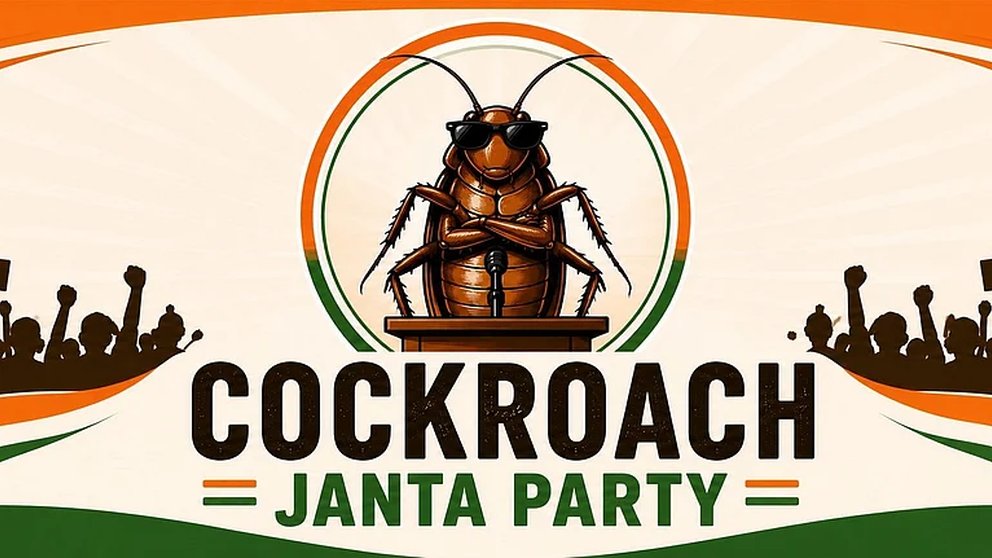
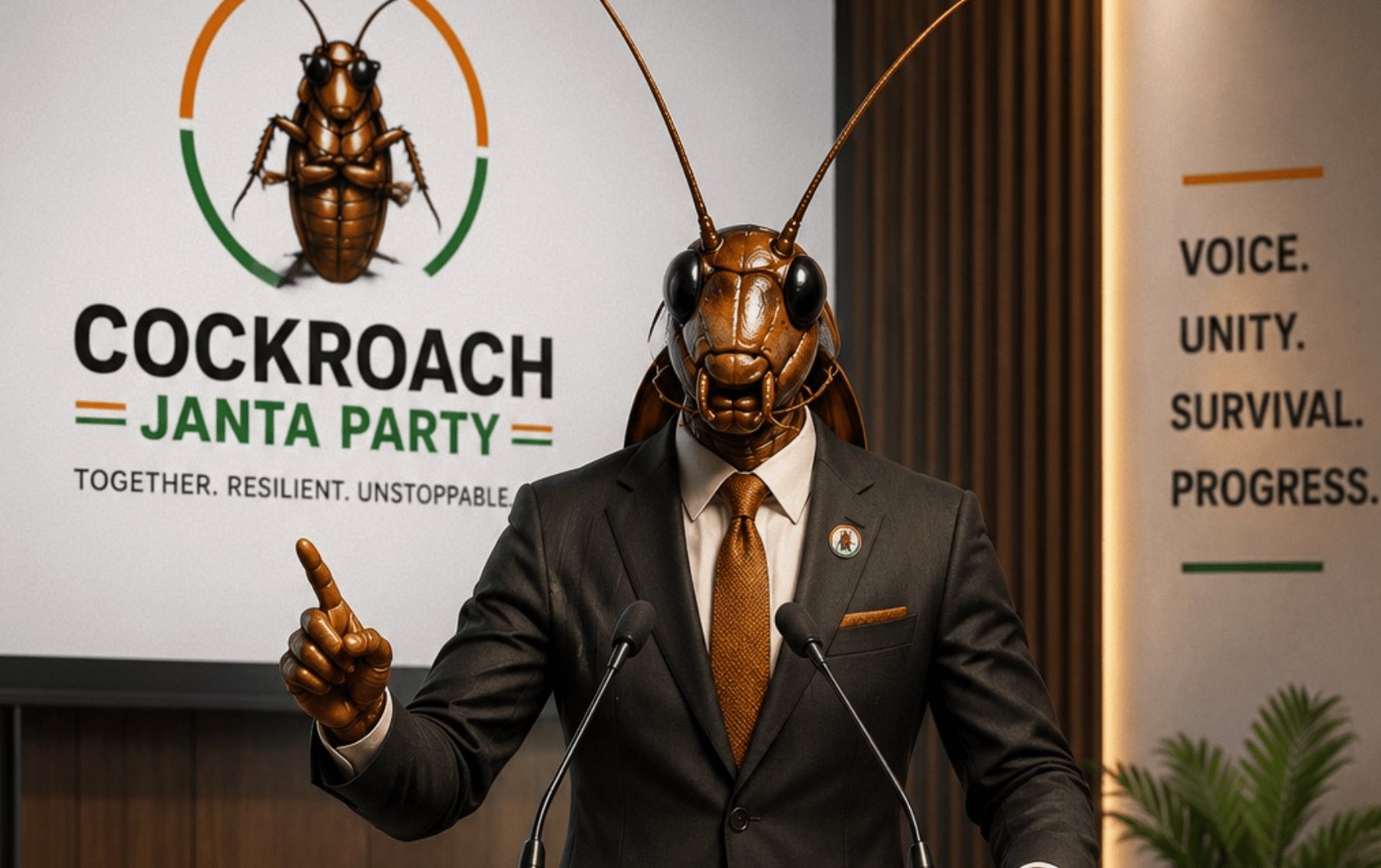
So, what exactly is the 'Cockroach Janata Party'? It emerged as a wave of online satire after remarks made by Chief Justice of India Surya Kant during a court hearing. The CJI reportedly used terms like 'parasites' and 'cockroaches' while talking about a lawyer, comments that later sparked a huge public outcry. While the Chief Justice clarified his comments were aimed at those with 'fake and bogus degrees,' the internet had already done its thing. Within days, this satirical page appeared, turning a moment of controversy into a platform for commentary and quickly capturing the attention of politicians, activists, and a massive online audience.
The speed at which 'Cockroach Janata Party' gained traction was nothing short of remarkable. It showed the power of social media to amplify voices and create a shared space for collective expression, even if that expression is rooted in satire. The page wasn't just popular; it became a symbol of how ordinary citizens, through humor and digital solidarity, can question authority and spark conversations that might otherwise remain unheard. It perfectly captured the zeitgeist of a generation that communicates through memes and hashtags.
But this rapid rise was met with an equally rapid crackdown. The Centre, acting on inputs from the Intelligence Bureau (IB), which flagged "national security concerns," directed X to withhold the account in India. The Ministry of Electronics and Information Technology (MeitY) used Section 69A of the Information Technology Act, 2000, a powerful legal tool that allows the government to block online content. The reasoning behind flagging national security for a satirical page, however, remains a point of contention and concern for many free speech advocates.
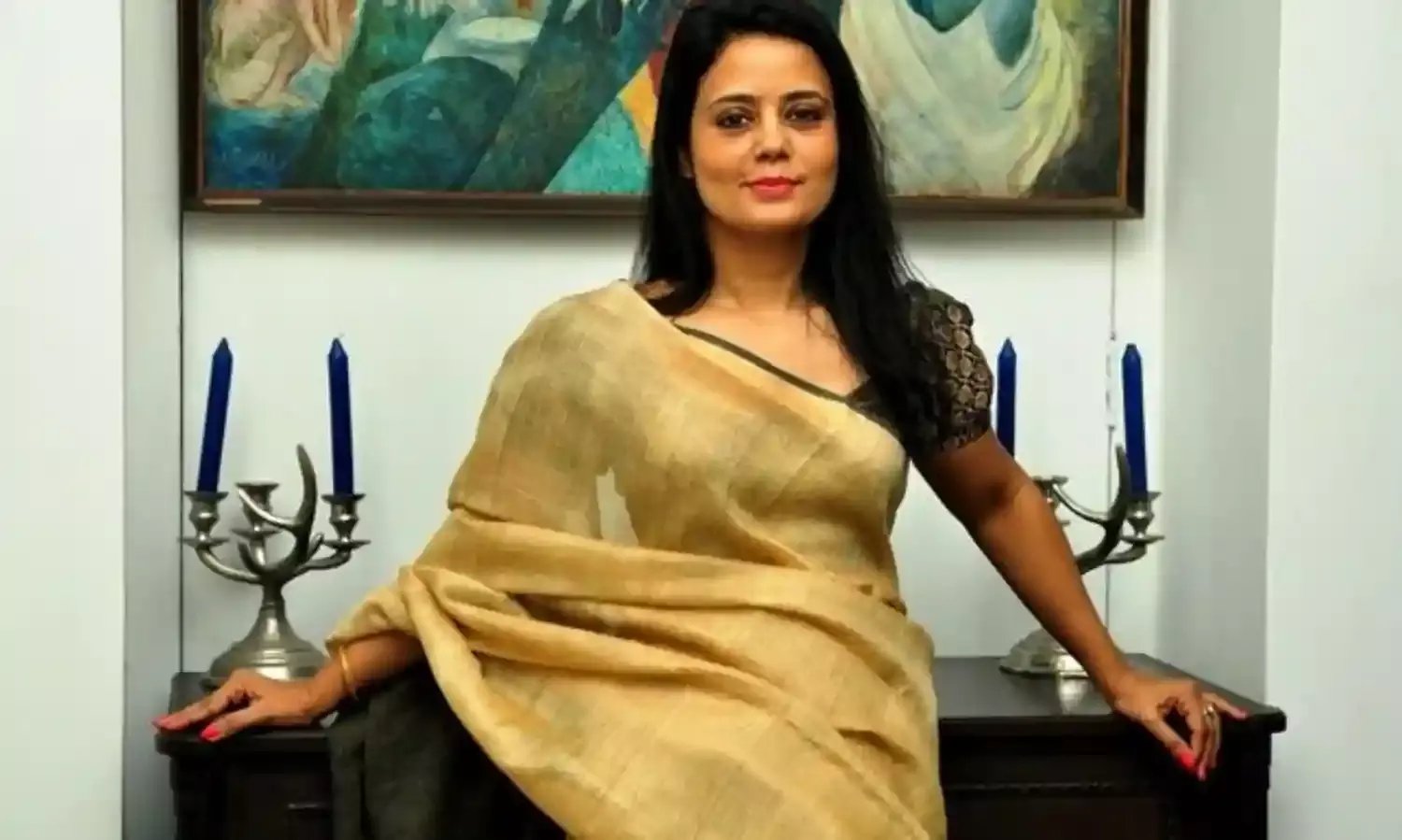
Mahua Moitra's reaction highlights this concern directly. Her strong words – "Fascism Not Democracy" – reflect a growing apprehension about the government's approach to online dissent. She pointed out the incredible odds faced by the opposition daily, suggesting that if even a virtual online movement can be seen as a threat, it speaks volumes about the current state of democratic freedoms. This incident brings to the forefront the ongoing global debate about censorship, government control, and the right to express oneself online, even through satire. Whether it's about international conflicts or domestic issues, the freedom to discuss and debate is essential.
The quick action taken against the 'Cockroach Janata Party' raises important questions about Section 69A. While designed to tackle genuine threats like terrorism or hate speech, its application here against a satirical page has led many to question if it's being used to silence legitimate criticism and artistic expression. The line between what constitutes a 'national security concern' and what is simply unwelcome commentary appears increasingly blurred, impacting the digital public square where ideas are debated and formed.
There’s more to life than simply increasing its speed.
By Udaipur Freelancer
However, the story doesn't end with a block. The resilience of online movements is often underestimated. Soon after the original X handle was restricted, a new account, "Cockroach Is Back," quickly surfaced, gathering thousands of followers within hours. Even more impressively, the group's Instagram page continues to thrive, amassing over 14 million followers – a number that significantly surpasses the official Instagram handle of the ruling Bharatiya Janata Party (BJP), which has around 8.8 million. This shows that while platforms can be blocked, ideas and movements, especially in the digital age, find new ways to sprout and flourish.
This incident is a powerful case study in the dynamics of modern democracy. It shows the incredible power of youth and popular sentiment online, capable of creating viral movements out of thin air. It also highlights the equally potent, and sometimes heavy-handed, power of the state to control narratives and information flow. The constant back-and-forth between online freedom and state control defines much of our digital experience today. It's a challenge that even experts in areas like local SEO understand – visibility and reach can be fickle.
Ultimately, the saga of the 'Cockroach Janata Party' is more than just about a blocked X account. It's about the soul of India's democracy in the digital age. It's about whether satire, dissent, and even seemingly harmless humor can coexist with the government's perceived need for control. As internet access becomes more widespread and digital tools become more sophisticated, these questions will only grow louder. The conversation sparked by this incident is crucial for understanding the health and future direction of our public discourse.
What are your thoughts on this? Does the government have a right to block satirical content based on national security concerns? Or is this an alarming trend for freedom of speech in a democracy? Share your views in the comments below.
Udaipur Freelancer delivers high-quality web, marketing, and design solutions. We focus on building impactful digital experiences that help your brand succeed in today's market.














Recommended for you
Must-See Art Exhibitions Around the World This Year
The Revival of Classical Art in a Digital Age
Breaking Down the Elements of a Masterpiece Painting
The Revival of Classical Art in a Digital Age