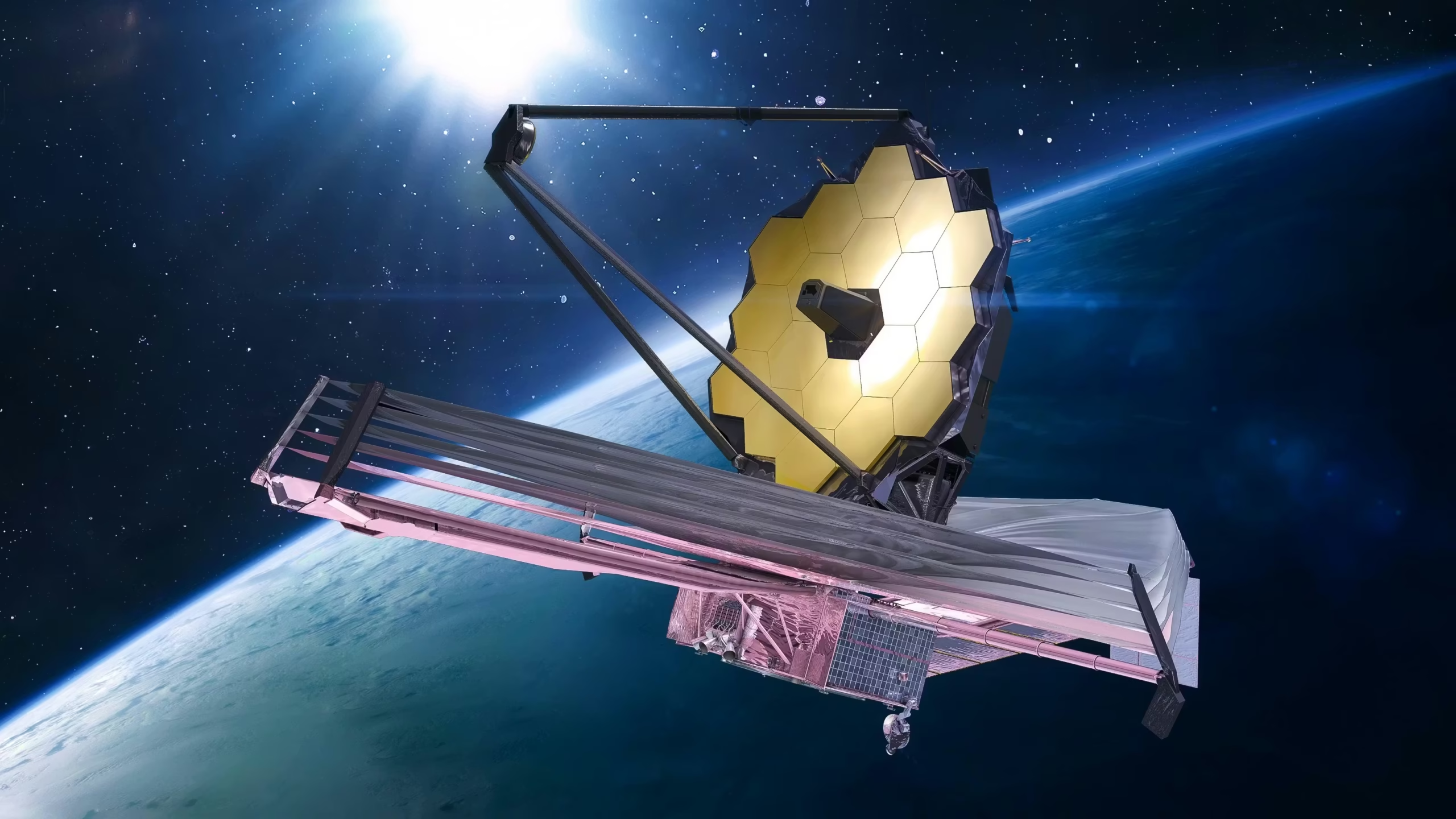
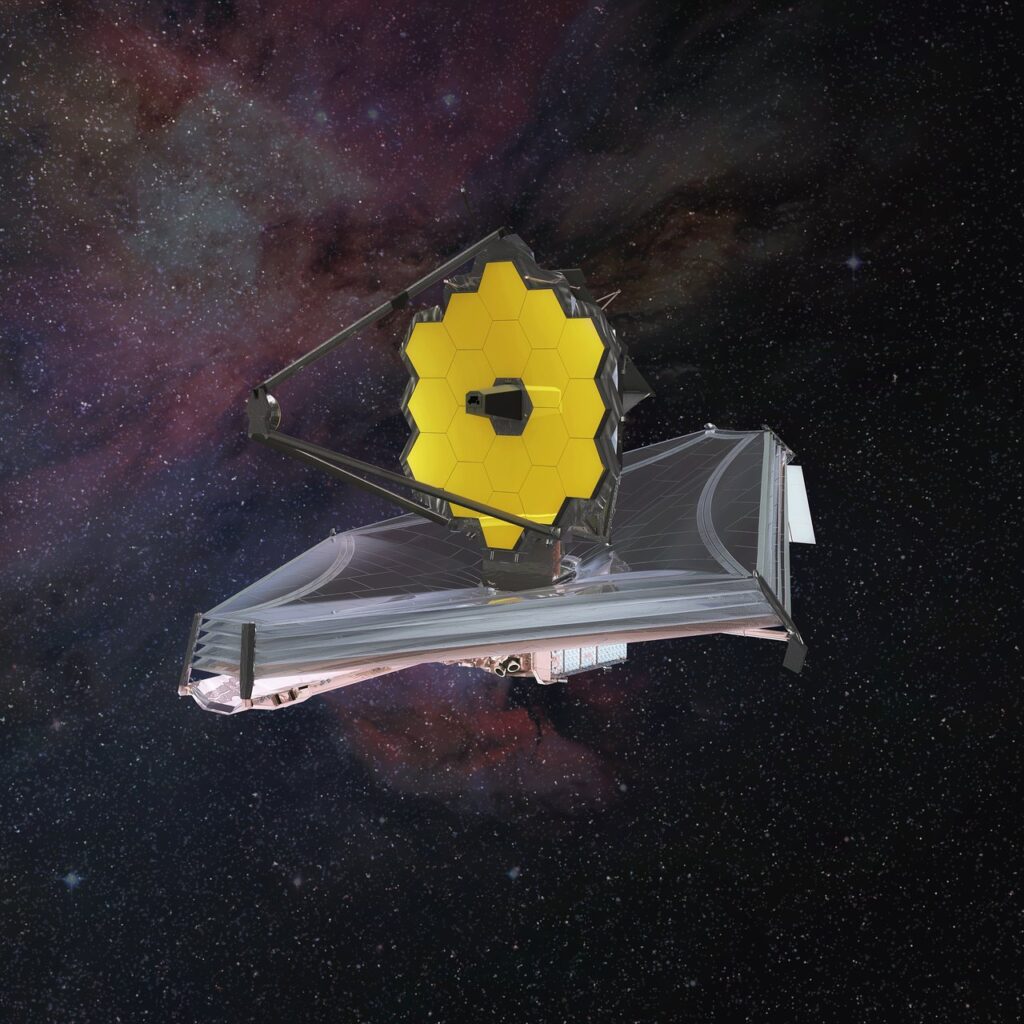
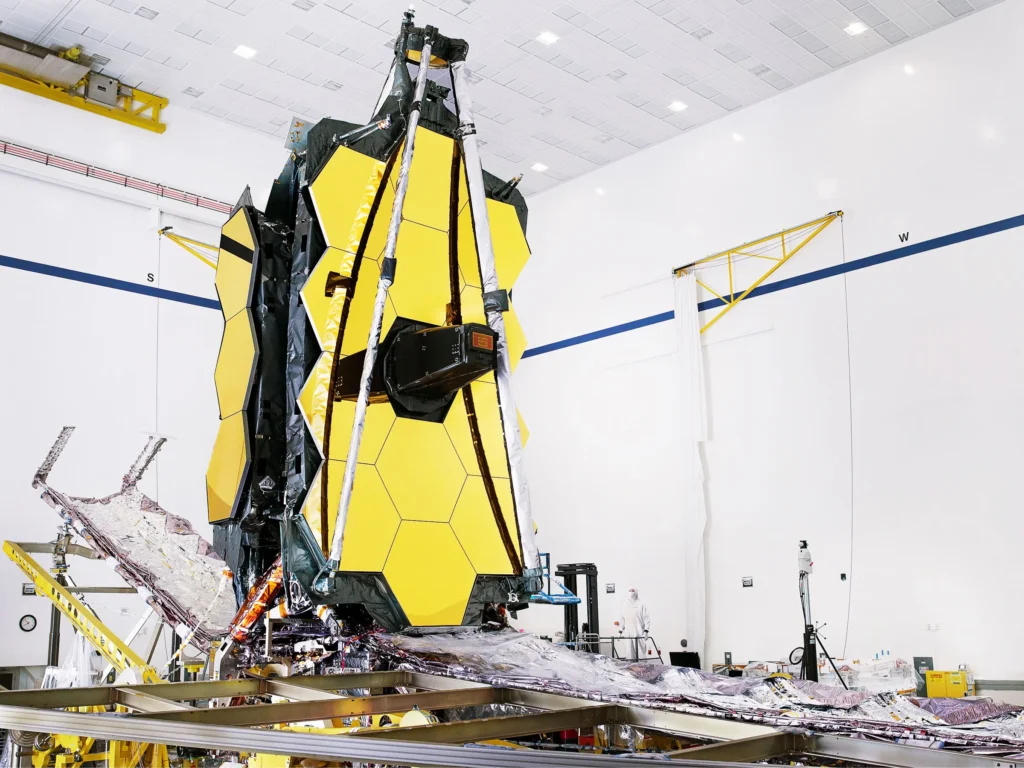
The James Webb Space Telescope (JWST) has effectively functioned as a cosmic time machine since its launch, peering through the veil of deep space to capture light that has been traveling for over 13 billion years. By utilizing its advanced mid-infrared and near-infrared instruments, Webb has managed to pierce through thick clouds of interstellar dust that previously obscured the view of the very first celestial structures. What astronomers found was nothing short of revolutionary: the early universe was far more active and populated than our previous models ever predicted. Instead of a slow, dim beginning, the telescope has revealed a Cosmic Dawn teeming with vibrant activity, showing us that the first stars and galaxies ignited with a brilliance that challenges our fundamental understanding of how the universe evolved.
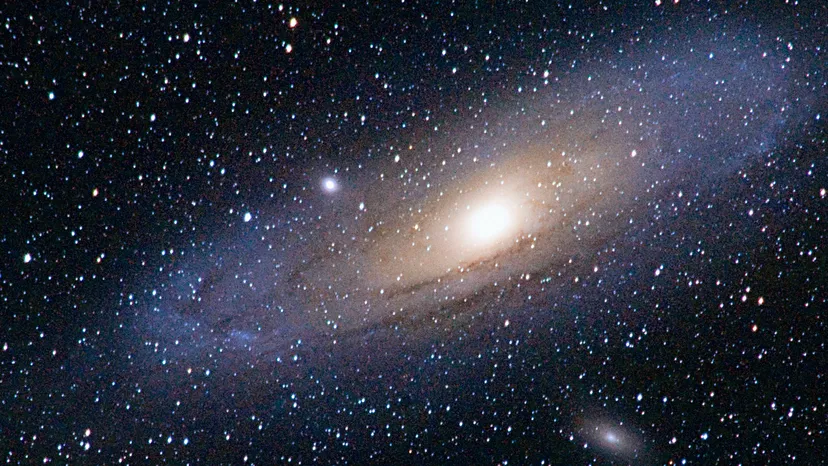
One of the most startling revelations from recent JWST observations is that the first galaxies were unexpectedly massive, bright, and mature for their age. Standard cosmological theories suggested that it would take billions of years for gravity to pull enough matter together to form large, structured galaxies. However, Webb has identified several luminous monsters that existed just 300 to 500 million years after the Big Bang. These galaxies are surprisingly well-organized, featuring disk shapes and intense star-forming regions that suggest the process of galaxy assembly happened at an accelerated pace. This discovery has forced scientists to reconsider the efficiency of star formation in the early universe and the role that dark matter may have played in fast-tracking the birth of these cosmic giants.
Beyond just their size, the chemical composition of these ancient galaxies has provided a new window into the life cycles of the first stars. Webb’s spectroscopy has detected heavy elements like oxygen, carbon, and neon in galaxies that existed when the universe was in its infancy. Since these elements are only forged in the hearts of stars and scattered through supernova explosions, their presence so early on indicates that generations of stars had already lived and died with incredible speed. This suggests that the very first stars, known as Population III stars, were likely massive and short-lived, working rapidly to seed the universe with the building blocks of planets and life long before the Milky Way even began to take shape.
There’s more to life than simply increasing its speed.
By Udaipur Freelancer
Finally, the James Webb Space Telescope has shed light on the mysterious relationship between early galaxies and the supermassive black holes at their centers. Astronomers have discovered that these black holes were already remarkably large in the early universe, often outgrowing their host galaxies at an accelerated rate. This chicken-and-egg problem whether the galaxy or the black hole came first is now at the forefront of modern research. As Webb continues to gaze further into the infrared horizon, it is not just providing beautiful images. it is dismantling old certainties and replacing them with a more complex, energetic, and awe-inspiring history of our origins, proving that the universe was ready for its close-up much sooner than we ever imagined.













Recommended for you
Must-See Art Exhibitions Around the World This Year
The Revival of Classical Art in a Digital Age
Breaking Down the Elements of a Masterpiece Painting
The Revival of Classical Art in a Digital Age