Air travel has dramatically reduced the size of our world, making international exploration easier than ever. However, this global connectivity comes with a significant downside. the rapid, unchecked spread of highly infectious diseases. Recently, this reality was brought into sharp focus when health authorities in New Zealand were forced to go on high alert.
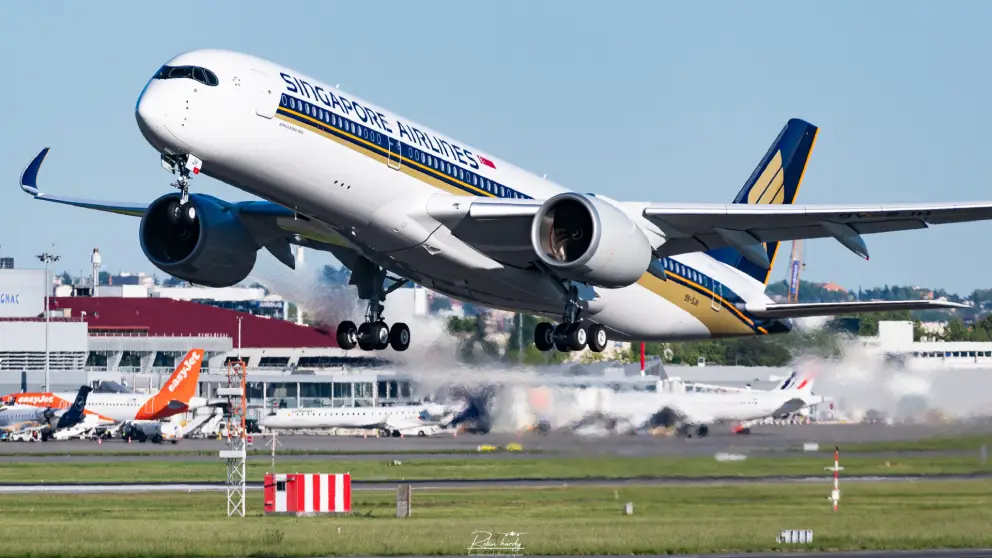
The cause? Two passengers arriving at Auckland Airport (AKL) aboard a Singapore Airlines (SQ) flight were found to be carrying one of the most contagious and potentially deadly airborne viruses on the planet: measles.
This alarming incident has triggered swift contact tracing efforts, public health warnings, and a renewed global conversation about the critical importance of vaccination. Here is a comprehensive breakdown of everything we know about the Singapore Airlines measles incident, the timeline of events, expert insights into the dangers of the virus, and what travelers need to know to stay safe.
The Incident: Singapore Airlines Flight SQ281 to Auckland
The alarm was first raised by health officials in New Zealand. According to a statement released on February 27th by the Communicable Diseases Agency (CDA), authorities were notified on February 24th regarding two confirmed measles cases detected in Auckland.
The individuals at the center of this health scare had traveled on Singapore Airlines flight SQ281, departing from Singapore Changi Airport (SIN) and landing at Auckland Airport (AKL).
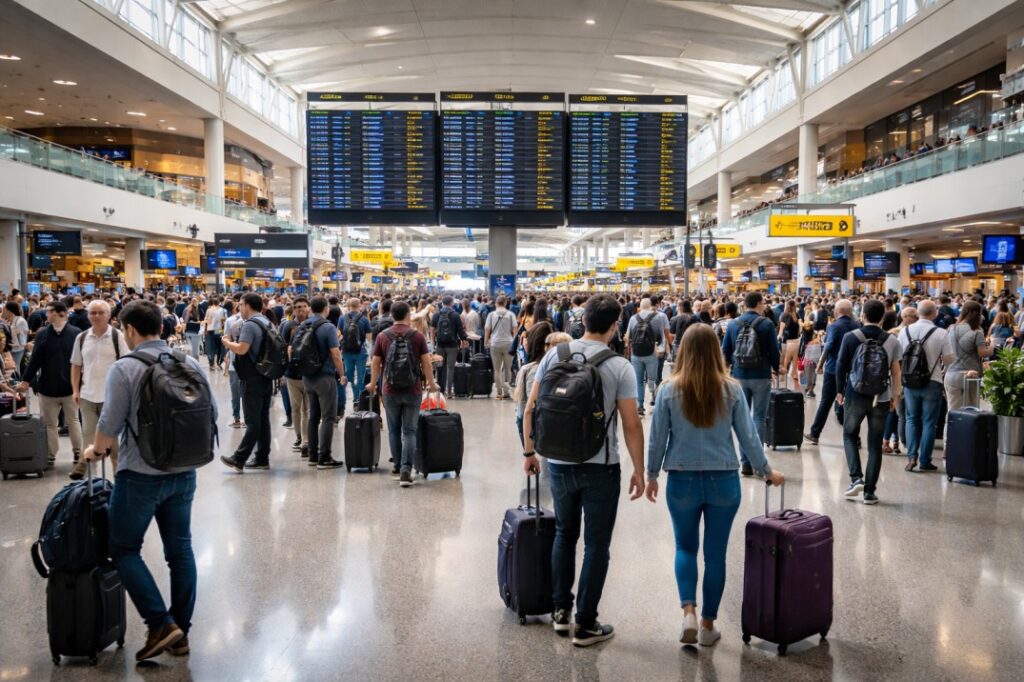
Because measles is a highly contagious airborne virus, enclosed spaces like aircraft cabins and crowded airport terminals present a critical risk for rapid transmission. The moment health officials confirmed the diagnosis, immediate protocols were initiated. Passengers on board flight SQ281, flight crew, and airport personnel who may have been in the vicinity of the infected individuals were immediately considered at risk, prompting aggressive contact tracing efforts by public health authorities in New Zealand to contain a potential wider outbreak.
The Travel History: From Hyderabad to Changi
To understand the scope of potential exposure, health agencies immediately began tracking the passengers' travel history.
Speaking to the media regarding the concerning incident, Associate Professor Lim Poh Lian, group director of the Communicable Diseases Agency’s communicable diseases programme, provided crucial details about the passengers' journey.
"The individuals flew from Hyderabad, India, and transited through Singapore for two hours before boarding an SQ flight to Auckland," Assoc Prof Lim stated.
This detail is vital for two reasons. First, it identifies the likely origin point of the infection. Second, it required Singaporean health officials to investigate whether the virus could have spread within Changi Airport, consistently ranked as one of the busiest aviation hubs in the world.
Fortunately, investigations within Singapore provided some relief for local residents. Based on the onset date of their symptoms, the CDA determined that the individuals had been infected prior to their arrival in Singapore. Furthermore, the cases are not linked to any other known measles cases currently active in Singapore, nor did they overlap with an earlier transit case on a separate Singapore Airlines flight.
"Our investigations found that the two cases had remained in the transit area at Changi Airport throughout their time in Singapore," Assoc Prof Lim added. Because they did not clear customs or enter the general population of Singapore, the immediate threat to the city-state was deemed low. However, the risk to anyone sharing the transit lounge air space, and subsequently the cabin of flight SQ281, remains a significant concern.
What is Measles? The World's Deadliest Contagious Virus
When people hear the word measles, many mistakenly write it off as an itchy, uncomfortable, but ultimately harmless rite of passage from childhood. This misconception is not just factually incorrect. it is incredibly dangerous. Public health experts continuously warn that the measles-causing Rubeola virus is one of the deadliest and most easily transmissible diseases known to humanity.
In an exclusive interaction, Dr. Kanavjit Gupta, Senior Consultant of Pediatrics & Neonatology at Manipal Hospital, Dwarka, shared alarming insights into the devastating nature of the virus.
"As a pediatric infectious disease specialist, I find this measles outbreak profoundly distressing," Dr. Gupta noted. He highlighted that recent surges resulting in over 14,000 cases globally are "not merely a statistic, it represents a serious failure of public health protection."
Why is Measles So Dangerous?
Dr. Gupta was unequivocal in his warning Measles is not a harmless childhood illness. It is a highly contagious airborne virus that ruthlessly exploits any gap in population immunity with ruthless efficiency. The virus's reproduction number (R0) is estimated to be between 12 and 18, meaning one infected person can transmit the virus to up to 18 unvaccinated people. It can linger in the air of a room for up to two hours after an infected person has coughed or sneezed and left the area.
The true danger of measles lies in its severe complications. When we let our guard down, the virus can cause:
There’s more to life than simply increasing its speed.
By Udaipur Freelancer
Severe Pneumonia: This is the leading cause of measles-related death worldwide. The virus attacks the respiratory system aggressively, leading to fatal breathing complications, especially in young children.
Debilitating High Fevers: Fevers can spike to dangerously high levels, causing febrile seizures in infants and toddlers.
Immune Amnesia: As Dr. Gupta points out, in young children, especially those under five, immunocompromised, or malnourished, measles can profoundly suppress the immune system for weeks to months. It essentially wipes the memory of the immune system, paving the way for life-threatening secondary infections.
Encephalitis: Inflammation of the brain is a severe complication. Though rarer (occurring in approximately 1 in 1,000 cases), it can cause permanent intellectual disability, seizures, deafness, or even death.
SSPE (Subacute Sclerosing Panencephalitis): Perhaps the most terrifying complication, SSPE is a fatal, progressive neurological disease that can strike years even a decade after the initial measles infection has seemingly cleared.
Recognizing the Symptoms: What to Watch For
According to the World Health Organization (WHO), measles infects the respiratory tract first and then spreads throughout the entire body. If you have traveled recently, especially internationally, it is vital to know the warning signs.
Symptoms typically appear 10 to 14 days after exposure to the virus. They often begin with flu-like signs before progressing. Key symptoms include:
A remarkably high fever (often peaking around 104°F or 40°C)
A persistent, hacking cough
A severely runny nose (coryza)
Red, watery, inflamed eyes (conjunctivitis)
Tiny white spots inside the mouth (Koplik spots)
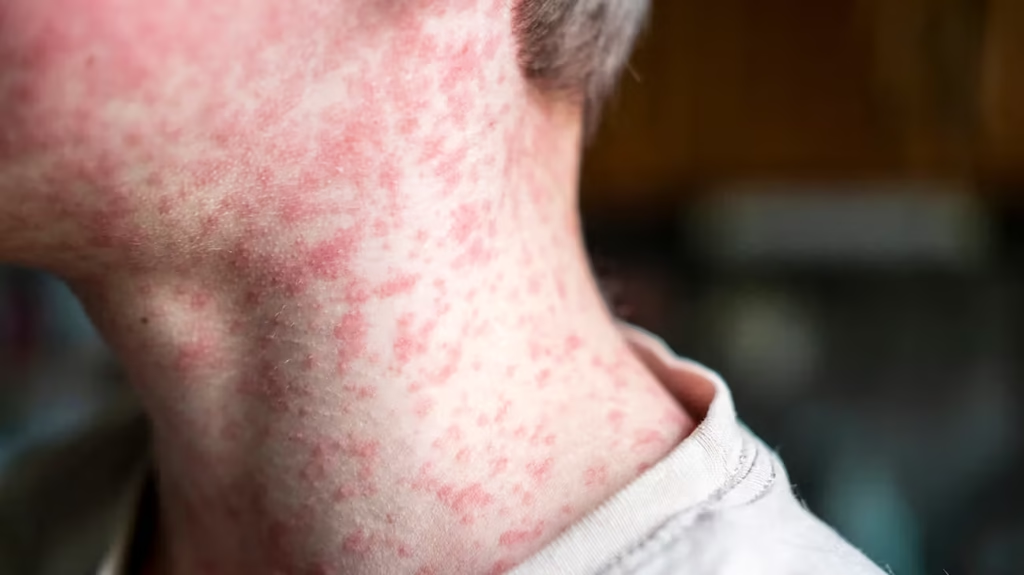
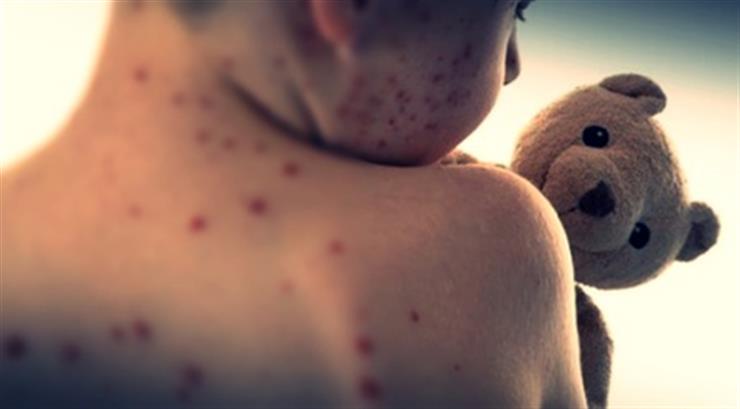
The Rash: A few days after the initial symptoms, a flat, red rash breaks out. It usually starts on the face and upper neck before cascading downward to the back, trunk, arms, and legs.
Measles Vaccines: What the WHO Wants Everyone to Know
The most tragic aspect of airport alerts like the one in New Zealand is that they are entirely preventable. How do we prevent measles? The WHO is absolutely clear on this matter: The only preventive measure against this deadly virus infection is vaccination.
Getting vaccinated is the best way to prevent getting sick with measles or spreading it to other people, the WHO states. The measles vaccine (usually administered as part of the MMR Measles, Mumps, Rubella shot) is incredibly safe, highly effective, and trains your body to fight off the virus upon contact.
To understand the miracle of the vaccine, one must look at history. Before the introduction of the measles vaccine in 1963 and the subsequent widespread vaccination campaigns, major epidemics occurred approximately every two to three years. During that era, the virus caused an estimated 2.6 million deaths each year.
While global vaccination campaigns have drastically reduced that number, the threat is far from eradicated. In recent years, due to pandemic-related disruptions in routine healthcare and rising vaccine hesitancy, numbers have fluctuated dangerously. For context, in 2014, an estimated 94,000 people died from measles globally. The vast majority of these tragic deaths were children under the age of five years old.
As the WHO's statement reads, These deaths occurred despite the availability of a safe and cost-effective vaccine. Achieving and maintaining herd immunity (where roughly 95% of a population is vaccinated) is the only way to protect those who cannot be vaccinated, such as infants too young for the shot or individuals with severe immune system disorders.
Travel Safety: How to Protect Yourself Before You Fly
The incident aboard Singapore Airlines SQ281 is a stark reminder that infectious diseases do not respect international borders. If you are planning to travel by air, taking proactive steps is non-negotiable.
Check Your Immunization Records: The absolute most important thing you can do is ensure you and your family are fully vaccinated with two doses of the MMR vaccine. If you are unsure of your vaccination status, consult your doctor. Adults can safely receive booster shots if immunity has waned.
Wear High-Quality Masks: While mask mandates have largely dropped globally, wearing a high-quality N95 or KN95 mask in crowded airport terminals and during flights remains an excellent defense against airborne viruses like measles, COVID-19, and the flu.
Practice Exceptional Hand Hygiene: Wash your hands frequently with soap and water for at least 20 seconds. Carry alcohol-based hand sanitizer (at least 60% alcohol) and use it after touching high-traffic surfaces like escalator handrails, security bins, and airplane tray tables.
Monitor Your Health Post-Travel: Be vigilant about your health for up to three weeks after returning from international travel. If you develop a high fever and a rash, do not go straight to a doctor's waiting room. Call ahead to your healthcare provider, inform them of your travel history and symptoms, so they can arrange an isolated evaluation without exposing others.
Conclusion
The high alert triggered at Auckland Airport by the arrival of two measles-infected passengers on a Singapore Airlines flight is more than just a fleeting news headline. it is a critical public health warning. It vividly illustrates how quickly a localized outbreak in one part of the world can be transported to another within a matter of hours.
As Dr. Gupta so powerfully noted, every single case of measles represents a failure of public health protection. The medical community has provided us with a safe, effective tool to relegate this deadly disease to the history books. As global citizens and travelers, it is our collective responsibility to ensure our vaccinations are up to date, not just for our own safety, but to protect the most vulnerable members of our global community from the world's most contagious threat.
Frequently Asked Questions (FAQs)
Q: Which flight was involved in the New Zealand measles alert? A: The passengers were traveling on Singapore Airlines (SQ) flight SQ281, which departed from Singapore Changi Airport (SIN) and arrived at Auckland Airport (AKL).
Q: Where did the infected passengers originate from? A: The two individuals began their journey in Hyderabad, India. They transited through Changi Airport in Singapore for two hours before boarding their final flight to New Zealand.
Q: Did the passengers spread measles in Singapore? A: According to Singapore's Communicable Diseases Agency, the risk to the local public is low. The passengers were infected prior to arriving in Singapore and remained strictly within the airport's transit area during their two-hour layover.
Q: Can you catch measles on an airplane? A: Yes. Measles is an airborne virus and is incredibly contagious. Because the virus can linger in the air for up to two hours, the enclosed cabin of an aircraft presents a high-risk environment for unvaccinated individuals if an infected person is on board.
Q: Is there a cure for measles? A: There is no specific antiviral treatment for a measles infection once it occurs. Treatment focuses on relieving symptoms (fever reducers, hydration) and managing dangerous complications like pneumonia. The only true defense is prevention through the MMR vaccine.
Udaipur Freelancer delivers high-quality web, marketing, and design solutions. We focus on building impactful digital experiences that help your brand succeed in today's market.















Recommended for you
Must-See Art Exhibitions Around the World This Year
The Revival of Classical Art in a Digital Age
Breaking Down the Elements of a Masterpiece Painting
The Revival of Classical Art in a Digital Age