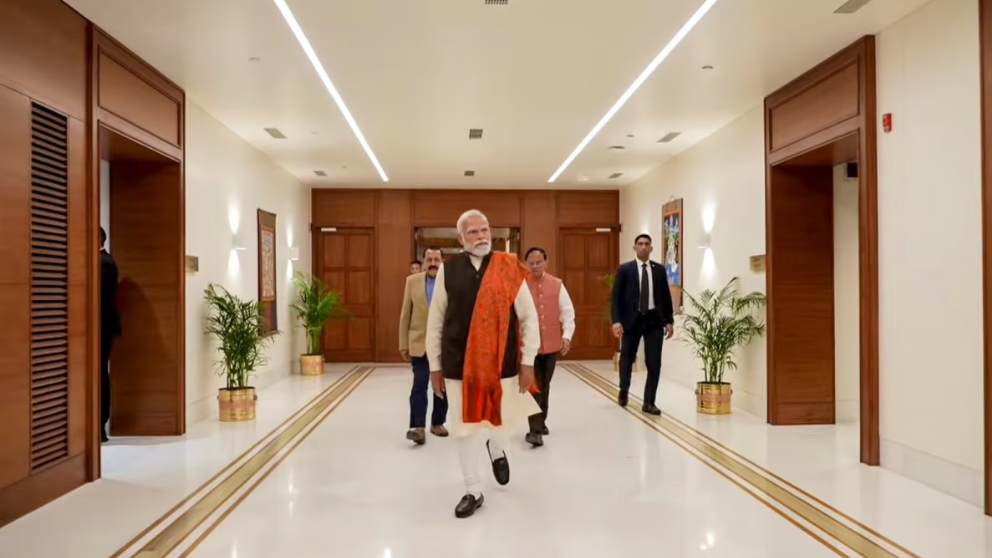
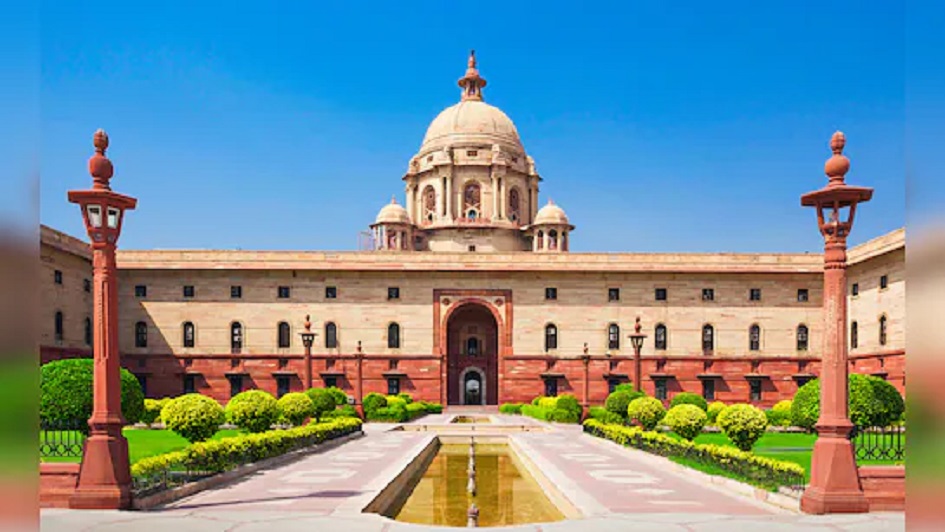
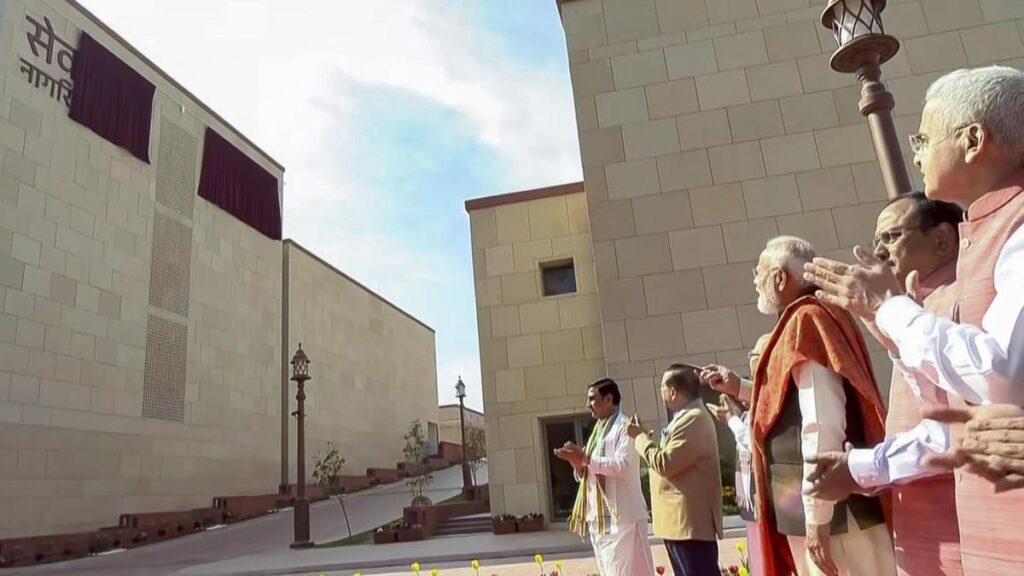
Change is finally here! For decades, the Prime Minister’s Office (PMO) operated out of the iconic South Block in Delhi. But as of now, the doors have opened to a brand-new era. Prime Minister Narendra Modi has officially moved his base to a state-of-the-art complex called Seva Teerth.
This isn't just a simple change of address. It’s a massive shift in how the Indian government will function from now on. While the PM settles into his new workspace, officials are already busy planning exactly what to do with the historic South Block. If you’ve been following the news, you know this is a big deal for India’s administrative history.
Why the Move Was Necessary
You might be wondering, Why move at all? Isn't the South Block legendary? Well, it definitely is. But legendary doesn't always mean functional in the year 2024.
The old PMO buildings are nearly 100 years old. They were built during the British colonial era. While they look magnificent from the outside, the Prime Minister pointed out that they were deteriorating from within. These old structures simply weren't designed for modern technology, high-speed internet cables, or the massive scale of today’s governance.
Beyond the physical wear and tear, there was a huge logistical problem. The government was spending roughly Rs 1,000 crore every single year just on renting office spaces across Delhi. On top of that, about 8,000 to 10,000 employees had to be transported between different scattered offices every day. Imagine the traffic, the fuel costs, and the wasted time! By moving to Seva Teerth, the government is finally bringing everyone under one roof.
What is Seva Teerth?
The name Seva Teerth translates to a 'Pilgrimage of Service'. This reflects the vision of a government that is rooted in serving the people rather than ruling over them.
Seva Teerth isn't just one building, it’s an integrated complex. It houses the PMO, the National Security Council Secretariat, and the Cabinet Secretariat. This means the top decision-makers of the country are now literally just a few steps away from each other.
Alongside Seva Teerth, we have Kartavya Bhavan 1 and 2. These buildings will accommodate several major ministries, including Finance, Defence, Health, Education, and Agriculture. Instead of a minister having to drive across the city for a meeting, they can now collaborate much faster. It’s all about making the government more efficient and connected to the ground.
Out with the Colonial, In with the Modern
PM Modi made a very interesting point during his first address at the new complex. He mentioned that buildings like the South Block and North Block were constructed to serve the vision of the British Empire. Back then, the architecture was designed to make the rulers look above the people. Raisina Hill was chosen specifically so the imperial buildings would look down on the rest of the city.
In contrast, Seva Teerth is designed to reflect the aspirations of an independent India. It’s modern, it’s tech-ready, and it’s built for the 140 crore citizens of India. The PM noted that the decisions made here will be guided by the dreams of the people, not the vision of a Maharaja.
What Happens to the Vacated Old PMO?
This is the part many history buffs are excited about. Since the PM has moved out, the iconic South Block isn't just going to sit empty or be turned into a dusty storage unit.
There’s more to life than simply increasing its speed.
By Udaipur Freelancer
The roadmap is currently being finalized to repurpose the old PMO into a world-class museum.
The South Block has seen some of the most landmark decisions in India’s history. From post-independence challenges to modern-day reforms, those walls have heard it all. By turning it into a museum, the government wants to preserve those memories and share them with the public. It will be a place where future generations can walk through the halls where history was made and learn about how modern India was shaped.
No Time Wasted: Work Begins at Seva Teerth
If anyone thought the move would slow things down, they were wrong. On his very first day at the new Seva Teerth office, PM Modi got straight to work.
He didn't just sign a few guest books, he approved major welfare schemes. This included:
Launching the RAMAY scheme.
Doubling the targets for the Lakhpati Didi initiative (which helps women in rural areas become more financially independent).
Increasing funds for the Agriculture Infrastructure Fund to help our farmers.
It was a clear signal: the new office is open, and it’s all about action.
A New Chapter for India
The shift to Seva Teerth is more than just moving boxes and computers. It’s a symbol of a Viksit Bharat (Developed India). It represents a government that wants to save taxpayer money, use the best technology, and work in a way that is fast and transparent.
While we say a fond farewell to the South Block as an active office, we look forward to seeing it transformed into a museum that honors our past. Meanwhile, the real work of building India’s future has already started at Seva Teerth.
It’s an exciting time for the country, and this new roadmap for the old PMO ensures that while we move forward, we don’t forget where we came from.
What do you think about this move? Do you think turning the old PMO into a museum is a good idea? Let us know in the comments!
Udaipur Freelancer delivers high-quality web, marketing, and design solutions. We focus on building impactful digital experiences that help your brand succeed in today's market.










Recommended for you
Must-See Art Exhibitions Around the World This Year
The Revival of Classical Art in a Digital Age
Breaking Down the Elements of a Masterpiece Painting
The Revival of Classical Art in a Digital Age