You’ve been hitting the gym five days a week. You’ve swapped your burgers for salads. You’re disciplined, focused, and exhausted yet, when you step on the weighing scale, the needle refuses to budge.
It’s a frustrating scenario that millions of people face. You feel like you’re doing everything right, but your body isn't reflecting the effort. The truth is, weight loss isn't just about the 60 minutes you spend sweating in a gym. it's shaped by what you do in the remaining 23 hours of the day.
As experts like Dr. Vipul Lunawat and Dr. Karthigai Selvi A. suggest, weight loss plateaus are often driven by hidden daily habits that fly under our conscious radar. If you’re stuck, it’s time to look beyond the treadmill.
Here are the hidden habits that might be sabotaging your progress and how to fix them.
1. Overestimating Your Workout Burn
Many people assume that a grueling workout entitles them to extra food. However, research suggests that our bodies are far more clever than we give them credit for. As Dr. Vipul Lunawat, fitness expert and founder-director of the Institute of Sports Science and Technology, notes, our bodies often compensate for the energy expended during exercise by reducing energy expenditure elsewhere.
Furthermore, we tend to overestimate how many calories we actually burn. That 30-minute run might burn 300 calories, but a single healthy muffin can easily contain 400.
The Fix: Don't view exercise as a way to earn food. Instead, focus on strength training. By building muscle, you boost your resting metabolic rate, helping your body burn more calories even when you’re sitting on the couch.
2. Falling into the Healthy Snacking Trap
We often think that as long as a snack is labeled organic, gluten-free, or natural, we can eat as much of it as we want. However, healthy eating doesn't always mean weight-loss-friendly eating.
Constant snacking even on nuts, yogurt, or fruit prevents your body from ever tapping into its stored fat for energy. When you snack all day, your insulin levels stay elevated, which signals the body to store fat rather than burn it.
The Fix: Practice mindful eating and stick to structured meal times. Give your digestive system a break to allow your metabolism to switch into fat-burning mode.
3. Ignoring Liquid Calories
It’s easy to track the calories on your plate, but what about the ones in your glass? From that morning latte with flavored syrup to the healthy fruit juice at lunch or the soda in the afternoon, liquid calories add up fast. Because these drinks don't require chewing, your brain doesn't register them as fullness, leading you to consume more calories overall.
The Fix: Stick to water, herbal teas, or black coffee. If you crave flavor, try infusing your water with lemon, cucumber, or mint.
xr:d:DAFZwrYqWSM:217,j:3974650716,t:23022003
4. The Protein Gap
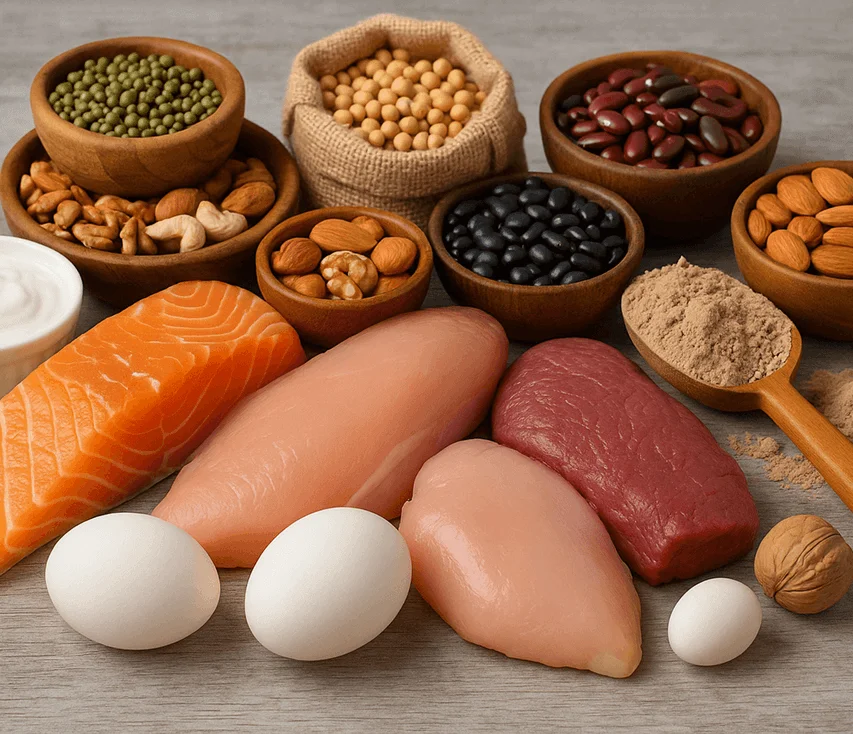
Are you getting enough protein? Most of us overestimate our intake. Protein is the most satiating macronutrient. it keeps you full and prevents muscle breakdown. As Dr. Karthigai Selvi A. (Head of Clinical Nutrition and Dietetics at Biomeagles Global Hospital) explains, if you’re working out but not eating enough protein, your body may struggle to maintain muscle.
Less muscle means a slower metabolism, making it even harder to lose weight in the long run.
The Fix: Include a high-quality protein source at every meal. Think eggs, Greek yogurt, legumes, tofu, fish, or lean meats. Even small increases can make a massive difference in your hunger levels and metabolic health.
There’s more to life than simply increasing its speed.
By Udaipur Freelancer
5. The Gym Hero, Desk Potato Syndrome
You might spend an hour at the gym, but if you spend the other eight hours of your workday sitting in a chair, you are living a sedentary lifestyle. This is where NEAT (Non-Exercise Activity Thermogenesis) comes in.
NEAT includes everything we do that isn't formal exercise: walking to the car, taking the stairs, folding laundry, or even fidgeting. Experts say overall daily movement plays a bigger role in weight loss than a single hour-long workout.
The Fix: Increase your daily step count. Take the stairs, use a standing desk, or set a timer to walk for five minutes every hour. These small movements add up to a significant calorie burn over a week.
6. Chronic Sleep Deprivation
Sleep is perhaps the most underestimated factor in the weight loss equation. When you don't get enough deep sleep, your body’s hunger hormones ghrelin and leptin go haywire. Ghrelin (the hunger hormone) increases, while leptin (the fullness hormone) decreases.
Poor sleep also increases cortisol (the stress hormone), which encourages the body to store fat, particularly around the abdomen.
The Fix: Prioritize 7–9 hours of quality sleep. Create a nighttime routine that excludes screens and blue light at least an hour before bed to help your brain transition into rest mode.
7. Over-training and Skipping Rest Days
More isn't always better. Many people believe that the harder they push without a break, the faster they will see results. However, weight loss and muscle building don't actually happen during the workout. they happen during recovery.
Overtraining leads to fatigue, hormonal imbalances, and increased injury risk. When your body is in a state of constant stress from over-working, it holds onto weight as a survival mechanism.
The Fix: Schedule at least one or two full rest days per week. Use these days for light stretching or mobility work to help your muscles repair and grow stronger.
8. Relying Solely on Cardio
While cardio is great for heart health, relying on it exclusively is a common mistake. Excessive cardio without resistance training can lead to muscle loss. Since muscle is metabolically active tissue, losing it will actually slow down your weight loss progress over time.
The Fix: Implement a well-rounded routine that includes strength training at least 2–3 times a week. Building lean muscle is the ultimate secret weapon for sustainable weight loss.
Conclusion: Small Changes, Big Results
Weight loss isn't a math problem that begins and ends in the gym. It is a holistic process influenced by your stress levels, your sleep quality, your protein intake, and how much you move throughout the day.
By identifying these hidden habits and making small, sustainable adjustments, you can break through your plateau and finally see the results your hard work deserves. Remember, it’s not about being perfect it’s about being consistent with the habits that truly matter.
Udaipur Freelancer delivers high-quality web, marketing, and design solutions. We focus on building impactful digital experiences that help your brand succeed in today's market.























Recommended for you
Must-See Art Exhibitions Around the World This Year
The Revival of Classical Art in a Digital Age
Breaking Down the Elements of a Masterpiece Painting
The Revival of Classical Art in a Digital Age