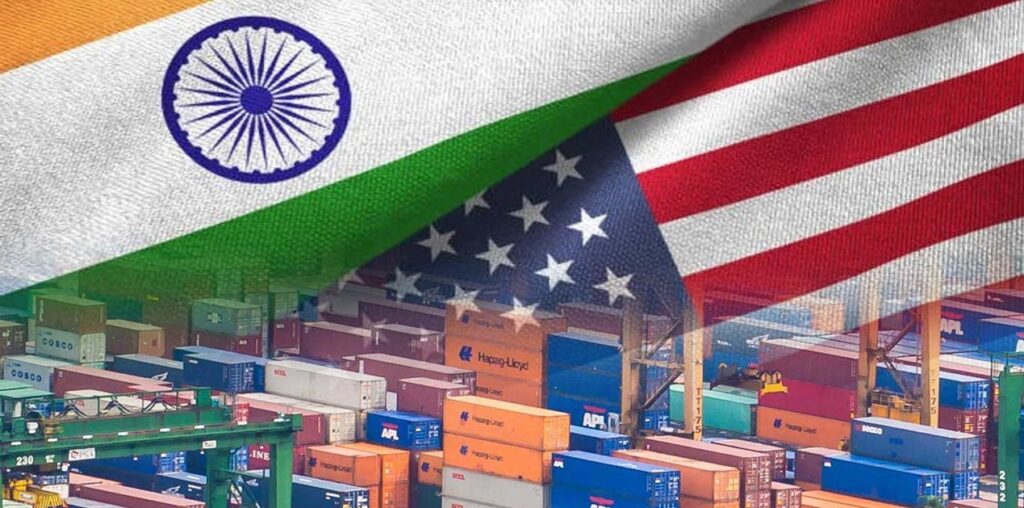
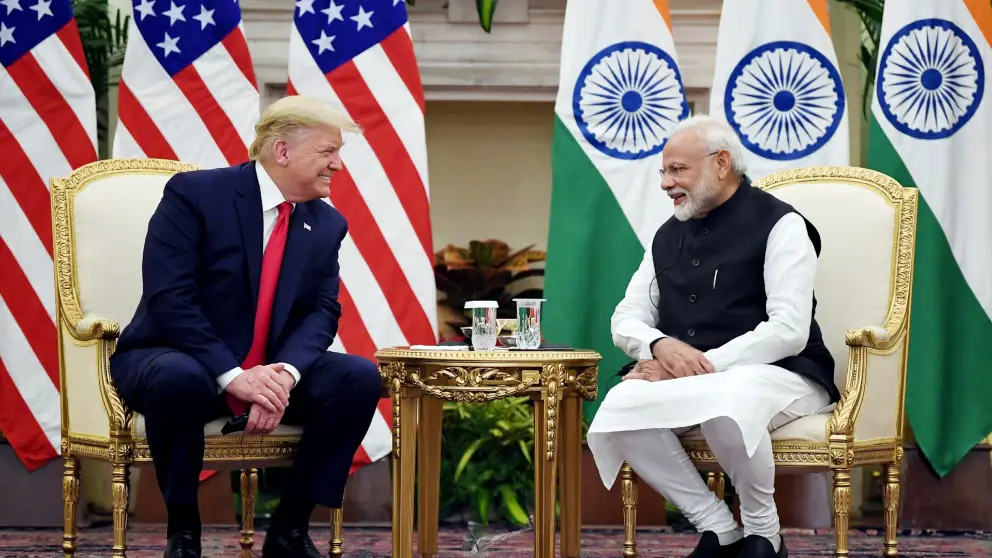
In the high-stakes world of international diplomacy, the loudest announcements often get the most attention. But sometimes, the most significant moves are the ones made in silence. As the United States and India inch closer to a much-anticipated trade deal, a fascinating diplomatic dance is unfolding behind the scenes. The Trump administration, known for its hard-line negotiation tactics, appears to be quietly removing key irritants that have long stalled progress, signaling a major push to get a deal across the finish line.
The evidence lies not in a press conference, but in the subtle yet crucial revisions to the official US trade deal fact sheet. Let's break down what changed, why it matters, and how these quiet shifts are reshaping the future of US-India economic ties.
The Initial Sticking Points: A Fact Sheet Full of Hurdles
Initially, the proposed framework laid out by the White House contained several demands that were met with stiff opposition from New Delhi. These weren't minor disagreements. they were fundamental irritants that threatened to derail the entire negotiation process. The original fact sheet was specific and demanding, reflecting a more aggressive US posture. Key points of contention included:
- Specific Agricultural Tariffs: The US was pushing for concessions on a range of agricultural products, explicitly mentioning tariffs on pulses, pistachios, cherries, and other nuts and fruits.
- A Binding Purchase Commitment: The document stated that India was committed to making a purchase of $500 million of fresh table worth of grapes and services, a specific and binding financial obligation.
- The Digital Services Tax (DST): The fact sheet directly addressed India's digital services tax, a levy on foreign digital advertising revenue that affects US tech giants. This has been a major global flashpoint for the U.S.
For India, these clauses were non-starters. Agreeing to them would have meant accepting terms seen as one-sided and potentially harmful to its domestic industries and farmers. The stage was set for a classic trade standoff.
The Quiet Rollback: Decoding the Changes
Then, something shifted. A revised version of the US fact sheet was released, and the changes were profound. The Trump administration had effectively purged the most contentious clauses, replacing hard demands with softer, more diplomatic language. This rollback is the clearest indicator yet that the White House is prioritizing a deal over a drawn-out conflict.
Here’s a closer look at the three major changes:
1. From Specific Tariffs to Vague Promises
The most significant revision pertains to tariffs. The revised fact sheet has completely removed any mention of specific products like pulses, agricultural products, pistachios, or cherries.
- Before: A clear list of products targeted for tariff reduction.
- After: The new language is far more generic, referring to a potential 'exchange of tariff and agreement of products including shrimp, rubber, green chillies, etc.' and focusing on broader goals like adhering to regional standards and global practices.
Why this matters: This is a massive concession. By removing the specific list, the U.S. is giving India significant breathing room. It moves the conversation from a rigid checklist to a more flexible negotiation, allowing both sides to find mutually agreeable terms without India feeling publicly strong-armed into hurting its sensitive agricultural sector.
2. The Vanishing $500 Million Purchase
There’s more to life than simply increasing its speed.
By Udaipur Freelancer
The demand for a half-billion-dollar purchase commitment has also disappeared.
- Before: A firm statement that India was committed to a $500 million purchase of specific US goods and services.
- After: The revised text now vaguely mentions providing increased access to American produce.
Why this matters: This change transforms a binding financial obligation into a general statement of intent. It removes the pressure of a fixed-dollar commitment and allows India to increase imports based on its own needs and market dynamics. This shift from a transactional demand to a cooperative goal is a classic de-escalation tactic aimed at building goodwill.
3. Sidestepping the Digital Tax Minefield
Perhaps one of the most strategic removals is the mention of India's Digital Services Tax (DST).
- Before: The fact sheet directly targeted the DST, signaling it as a key issue to be resolved.
- After: The latest version makes no mention of the DST at all.
Why this matters: The DST is a globally contentious issue, with the U.S. viewing such taxes as discriminatory against American tech giants like Google and Facebook. By removing it from this specific trade deal fact sheet, the Trump administration isn't abandoning its opposition. Instead, it's likely compartmentalizing the issue, deciding that it's too complex and controversial to be a roadblock for this particular limited trade deal. It’s a strategic decision to tackle an easier win now and leave the bigger, more complicated fight for another day.
What Does This Mean for the Final Deal?
These quiet revisions are a masterclass in strategic diplomacy. They reveal that the Trump administration is highly motivated to secure a trade victory with India, one of the world's fastest-growing economies. By softening its stance, the U.S. is:
- Acknowledging India's Red Lines: It shows that Washington has listened to New Delhi's concerns and is willing to be flexible.
- Paving the Way for a Limited Deal: These changes make a smaller, more focused trade agreement much more likely. The goal seems to be securing tangible wins rather than getting bogged down in an all-or-nothing comprehensive deal.
- Building Political Capital: By making these concessions, President Trump can present the eventual deal as a product of successful negotiation, strengthening the strategic partnership between the two nations ahead of any formal signing.
The path forward is now significantly clearer. With the major irritants removed from the official negotiating framework, leaders on both sides can focus on finalizing the details. While other geopolitical issues, like India's defense purchases from Russia, remain separate points of discussion, the economic roadblocks are being systematically dismantled.
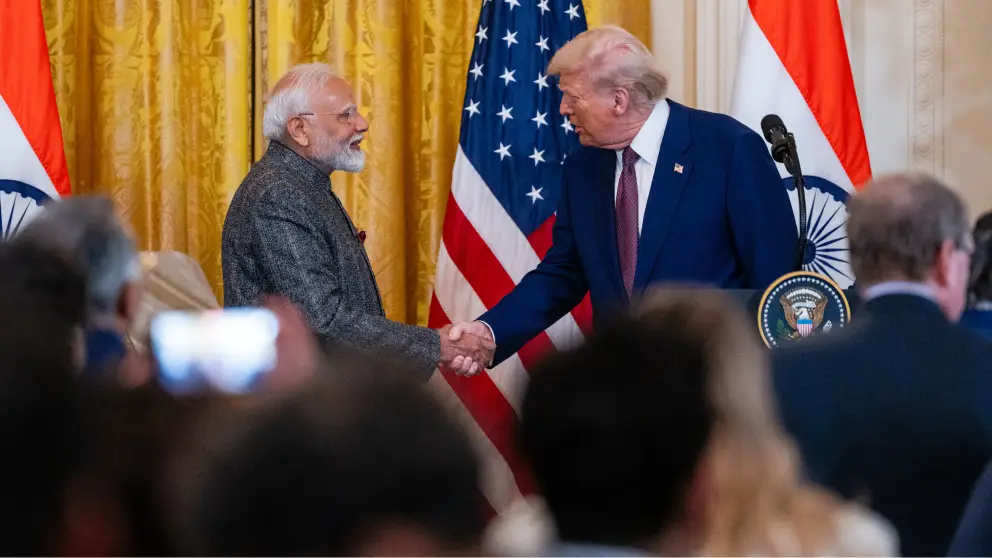
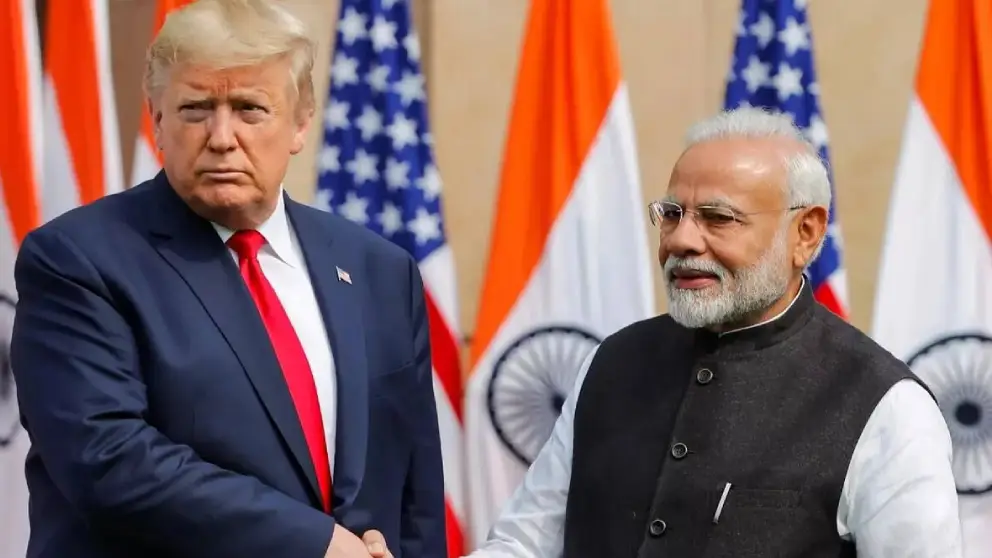
The final handshake between President Trump and Prime Minister Modi on this trade deal hasn't happened yet, but the groundwork is being laid not with loud declarations, but with the quiet stroke of a pen, editing a fact sheet to turn conflict into compromise.













Recommended for you
Must-See Art Exhibitions Around the World This Year
The Revival of Classical Art in a Digital Age
Breaking Down the Elements of a Masterpiece Painting
The Revival of Classical Art in a Digital Age