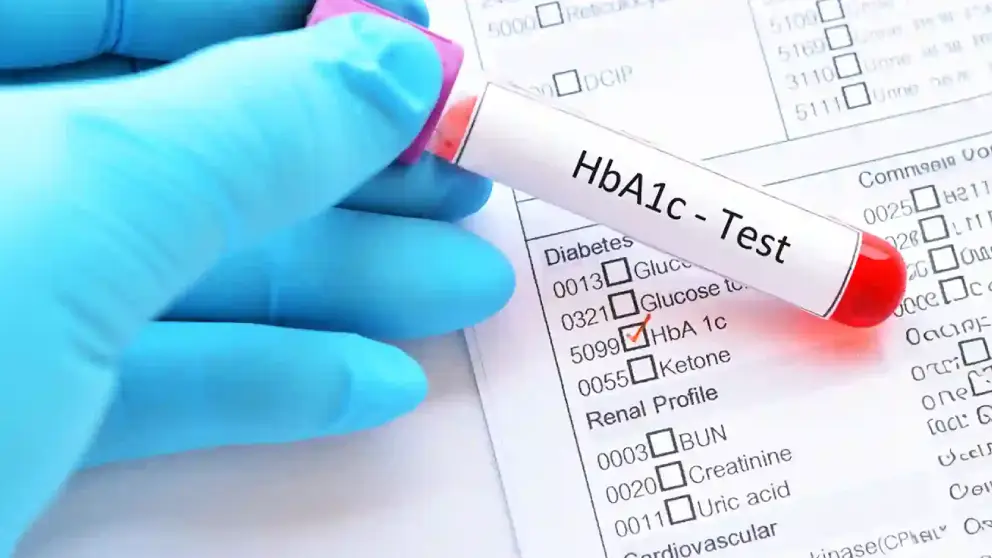
We’ve all been there. You get your blood test results back, you see a number like 5.7% for your HbA1c, and your doctor says, "Don't worry, you’re just borderline. We’ll check it again in six months."
You breathe a sigh of relief. You think you’re in the clear or that you’re just sitting in a waiting room before the real problem starts.
But here’s the cold, hard truth: An HbA1c of 5.7 isn’t a yellow light; it’s a silent alarm.
According to experts like Dr. Gagandeep Singh, seeing a 5.7 on your report doesn't mean you are "about to get sick." It means your body has been struggling for years, and the damage is already happening.
In this post, we’re going to break down why that borderline label is dangerous and, more importantly, exactly what you can do to turn things around starting today.
What is HbA1c anyway? (The Simple Version)
Before we dive in, let’s clear up the jargon. Think of your HbA1c test as a three-month memory of your blood sugar.
While a finger-prick test tells you what your sugar is right now, the HbA1c shows the average amount of sugar that has been sticking to your red blood cells over the last 90 days.
Normal: Below 5.4%
"Prediabetes": 5.7% to 6.4%
Diabetes: 6.5% and above
The problem is that the medical world often treats the 5.7 to 6.4 range as a wait and watch zone. But as we’re learning, that wait-and-watch approach is how people end up with full-blown chronic illness.
The Slow Motion Disaster: Why 5.7 is a Big Deal
An HbA1c of 5.7 doesn't just show up overnight. It is the result of years sometimes a full decade of your body working overtime.
Think of your pancreas as a factory worker. For years, you might have been eating too many carbs or sugars, and your pancreas has been working double shifts to pump out enough insulin to keep your blood sugar normal.
By the time your blood test finally shows a 5.7, it means your factory worker is exhausted. They can’t keep up anymore. The borderline diagnosis is actually diabetes in slow motion.
When you hit 5.7, your blood vessels, nerves, and organs are already being irritated by excess sugar. It’s not a waiting room, it’s the early stage of the disease.
The Danger of the Word Borderline
The word borderline is dangerous because it makes us feel safe. It makes us think we have time to procrastinate.
Statistically, without a major change, 70% of people with prediabetes will go on to develop full Type 2 Diabetes within 5 to 7 years.
There’s more to life than simply increasing its speed.
By Udaipur Freelancer
Dr. Singh points out that while your doctor calls it borderline, your body calls it stress. The damage to your heart and kidneys doesn't wait until you hit the 6.5 mark to start. It starts the moment your metabolism breaks.
How to Start Reversing It Today
The good news? You are not stuck. Because 5.7 is an early stage, it is highly reversible. But you can’t just reduce a few cookies and hope for the best. You need a strategy.
Here is how you take control:
1. Stop Reducing and Start Cutting
If you want to reverse a 5.7, you have to get serious about carbohydrates. Don’t just cut back on bread. try to eliminate refined carbs and sugary drinks entirely for a while. Your body is currently intolerant to carbs, so you need to give your metabolism a total break to let it heal.
2. Test Your Fasting Insulin
Most doctors only check glucose (sugar). But as we discussed, your sugar might look okay because your insulin is working ten times harder than it should. Ask your doctor for a Fasting Insulin test. If your insulin is high, it’s a sign that your body is struggling long before your sugar levels even move.
3. Aim for 5.4, Not Just Below 6
Don't settle for being slightly less prediabetic. Make your goal a truly healthy HbA1c of 5.4% or lower. This is the zone where your metabolic health is actually optimized and your risk for long-term complications drops significantly.
4. Move After You Eat
You don't need to run a marathon. A simple 10-15 minute walk after your largest meal helps your muscles soak up the extra sugar in your blood, taking the load off your pancreas. It’s one of the easiest hacks for metabolic health.
5. Prioritize Sleep and Stress
Stress isn't just in your head, it’s in your blood. When you’re stressed or sleep-deprived, your body releases cortisol, which dumps extra sugar into your bloodstream. You can eat a perfect diet, but if you’re sleeping 4 hours a night and constantly stressed, your HbA1c will stay stubborn.
The Bottom Line
A reading of 5.7 is a gift. It’s your body’s way of tapping you on the shoulder and saying, "Hey, I'm struggling. Please help me."
Don't wait until it becomes real diabetes. Reversing it now is much easier than trying to manage it later. Treat 5.7 like the emergency it is, make the lifestyle shifts today, and you can get back to a life of health and energy.
Your health is in your hands. What’s one change you’re going to make today?
Udaipur Freelancer delivers high-quality web, marketing, and design solutions. We focus on building impactful digital experiences that help your brand succeed in today's market.















Recommended for you
Must-See Art Exhibitions Around the World This Year
The Revival of Classical Art in a Digital Age
Breaking Down the Elements of a Masterpiece Painting
The Revival of Classical Art in a Digital Age