Have you ever looked up at the night sky and wondered what’s out there? Well, get ready for something truly special. Soon, you won’t just see a star or two. You’ll have the chance to see a rare celestial event, a parade of six planets gracing our sky at the same time!
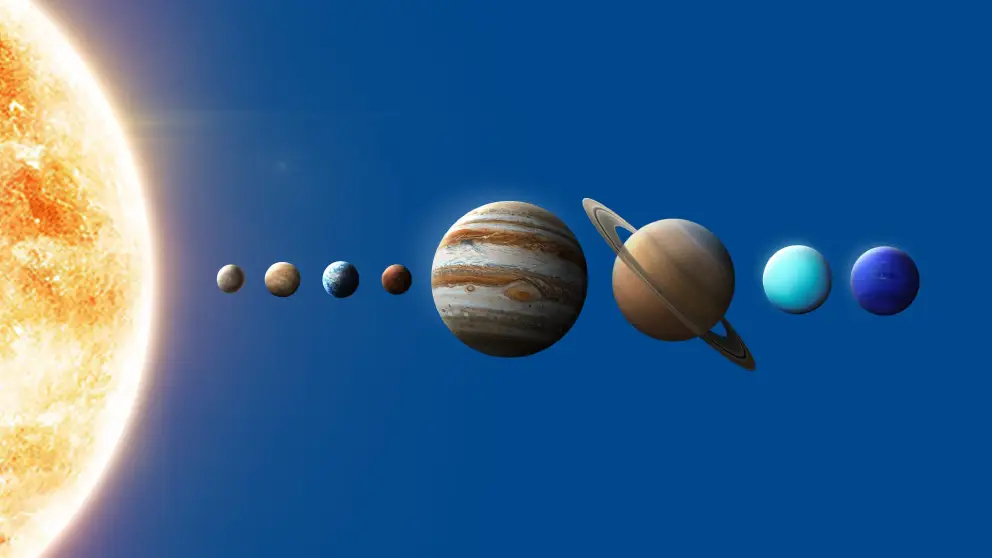
That’s right. Mercury, Mars, Jupiter, Saturn, Uranus, and Neptune are all getting together for a cosmic party, and you’re invited to watch. This isn’t something that happens every day, so grab a comfy chair, maybe a warm drink, and let’s get you ready to witness this incredible sight.
What is a "Planet Parade" Anyway?
First things first, let's clear something up. When we say 'planet parade' or 'alignment,' it doesn't mean the planets are forming a perfectly straight line in space like cosmic bowling pins. If you were to fly out in a spaceship, you'd see they are still scattered in their own orbits millions of miles apart.
So, what’s the big deal? It’s all about perspective! From our viewpoint here on Earth, these planets will all appear in the same small section of the sky. Imagine you're at a racetrack. The cars are on different lanes, but for a moment, they all appear bunched together as they round a corner. That's what we'll be seeing a beautiful visual trick that brings our solar system to life.
The Big Question: When and How to See It
Mark your calendars! The best time to catch this amazing show will be in the early morning, just before sunrise, around early June 2026. The peak moment is expected to be on June 3rd.
You'll need to be an early bird for this one. The ideal viewing window is about an hour before the sun comes up. This gives you a dark sky to see the planets, but it's close enough to sunrise that they will have risen above the horizon.
Here’s your simple game plan:
- Time: Set your alarm for about an hour before your local sunrise.
- Direction: Find a spot with a clear view of the eastern horizon. This is where the sun rises, and it's where the planets will make their appearance.
Your Guide to Spotting the Planets
Seeing six planets sounds tricky, but we can break them down into two groups. the ones you can see with just your eyes, and the ones that need a little help.
There’s more to life than simply increasing its speed.
By Udaipur Freelancer
The Easy-to-Spot Crew (Naked Eye)
You won't need any special equipment to see these guys, though they'll look even better with binoculars.
- Saturn: Look for a steady, yellowish point of light. It won't twinkle like a star.
- Mars: This one is easy to identify because of its distinct reddish-orange glow. It’s called the Red Planet for a reason!

- Jupiter: Jupiter is the superstar of the show. It will be incredibly bright one of the brightest objects in the sky, making it very easy to find.
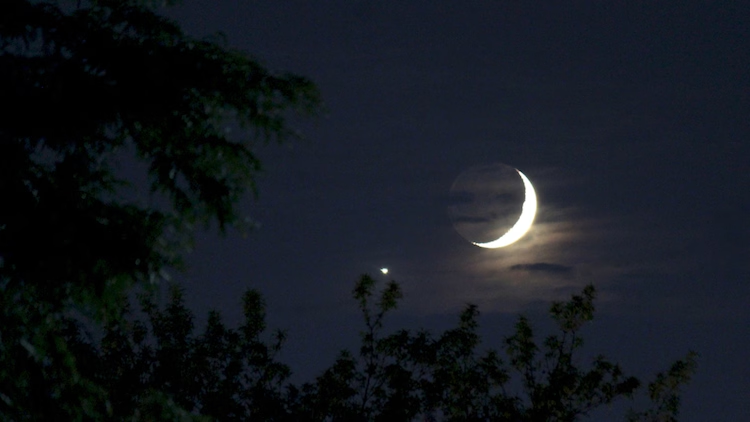
- Mercury: This one will be the trickiest of the naked-eye planets because it’s so close to the sun. It will be low on the horizon and only visible briefly in the twilight glow just before sunrise.
The Shy Ones (Bring Binoculars!)
These two are much farther away and fainter, so you'll need a little help to welcome them to the party.
- Uranus and Neptune: To spot these distant ice giants, you’ll need a good pair of binoculars or a small telescope. They will look like very faint, star-like dots. Don't be discouraged if you can't find them right away. they are a rewarding challenge for dedicated observers!
Tips for the Best Viewing Experience
To make sure you have an unforgettable experience, here are a few extra tips:
- Escape the City: The biggest enemy of stargazing is light pollution. If you can, drive a little way out of the city to a darker spot. The difference is incredible.
- Check the Weather: A cloudy sky will ruin the show. Check your local forecast for a clear morning.
- Use a Stargazing App: This is a game-changer! Apps like SkyView Lite, Star Walk 2, or Stellarium use your phone’s camera to show you exactly what you’re looking at. Just point your phone at the sky, and it will label all the planets for you.
- Give Your Eyes Time: It takes about 15-20 minutes for your eyes to fully adjust to the darkness. So get outside, put your phone away, and just let your eyes adapt.
- Bring a Friend: Sharing a moment like this with someone makes it even more special.
This planetary parade is a wonderful reminder of the vast and beautiful universe we are a part of. It’s a chance to see our solar system in action, all from your own backyard. So, set that alarm, cross your fingers for clear skies, and get ready to look up.
Happy stargazing
















Recommended for you
Must-See Art Exhibitions Around the World This Year
The Revival of Classical Art in a Digital Age
Breaking Down the Elements of a Masterpiece Painting
The Revival of Classical Art in a Digital Age