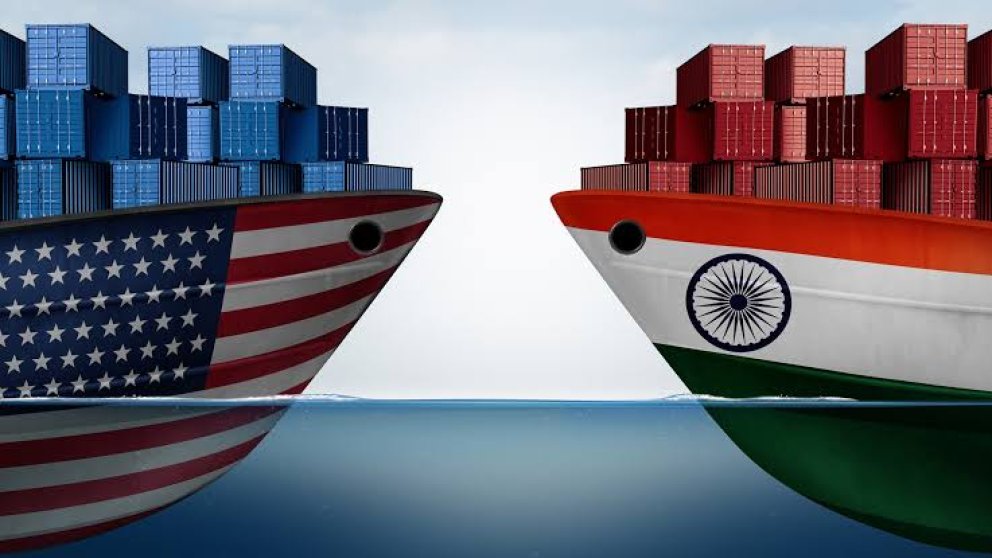
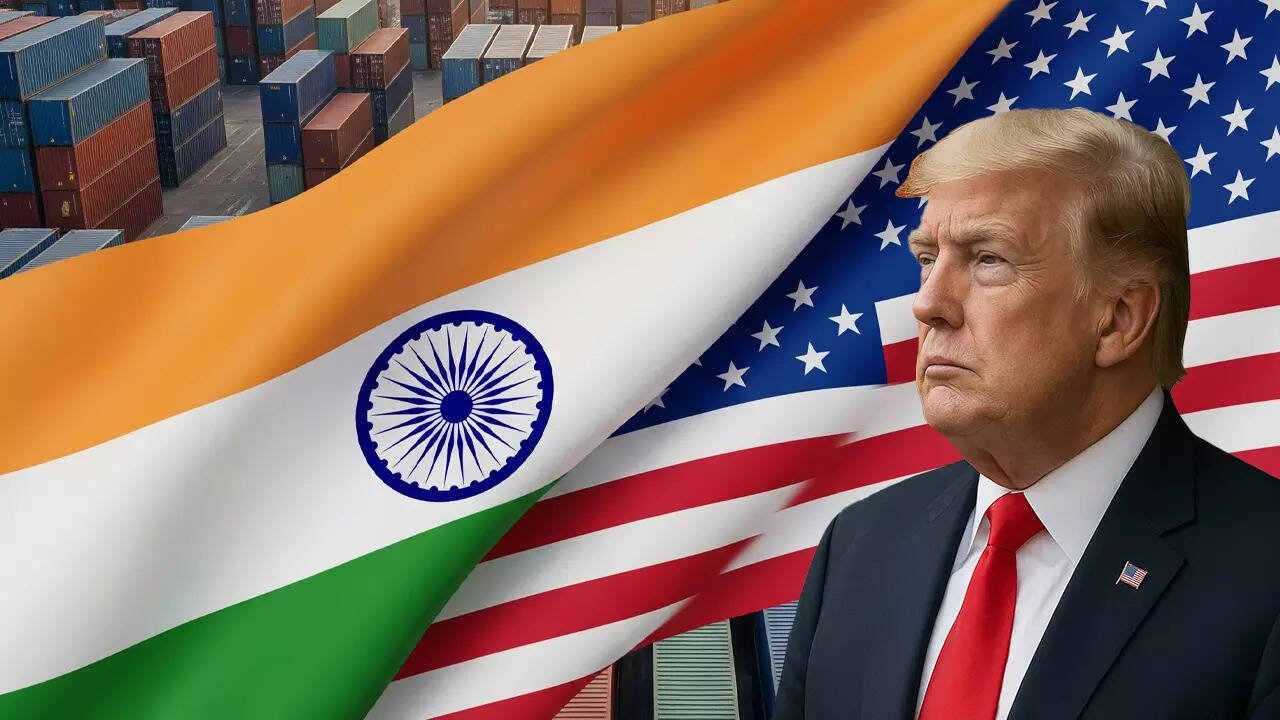
There has been a lot of talk lately about trade between India and the United States. Recently, US Treasury Secretary Scott Bessent spoke about the future of tariffs. Many businesses and officials are watching these updates closely to see how they will impact global trade. If you are keeping up with global security and economic stability, these changes are definitely worth monitoring.
Understanding the Tariff Reboot
Secretary Bessent explained that the US is essentially resetting its tariff program. Currently, the US is using what is called Section 122, which is a 10 percent global tariff. However, the government is looking at something known as Section 301. These studies help the US decide if they should return to previous tariff levels. Bessent mentioned that if these studies show positive results, the rates will likely go back to exactly where they were before.
India has been seeking clarity on these rates. The goal for Indian negotiators is to keep a competitive edge over other countries like Vietnam, Thailand, and China. In the past, deals were based on different emergency powers, but now the landscape is shifting toward a new trade architecture.
How Global Trade is Changing
The US is currently looking at many countries for trade investigations. These include the European Union, Japan, and South Korea. Some countries may see lower tariffs if they sign formal agreements regarding labor laws and other standards. It is a complicated time for international relations, and it is just as important to stay informed about these policy changes as it is to know about modern digital policy debates.
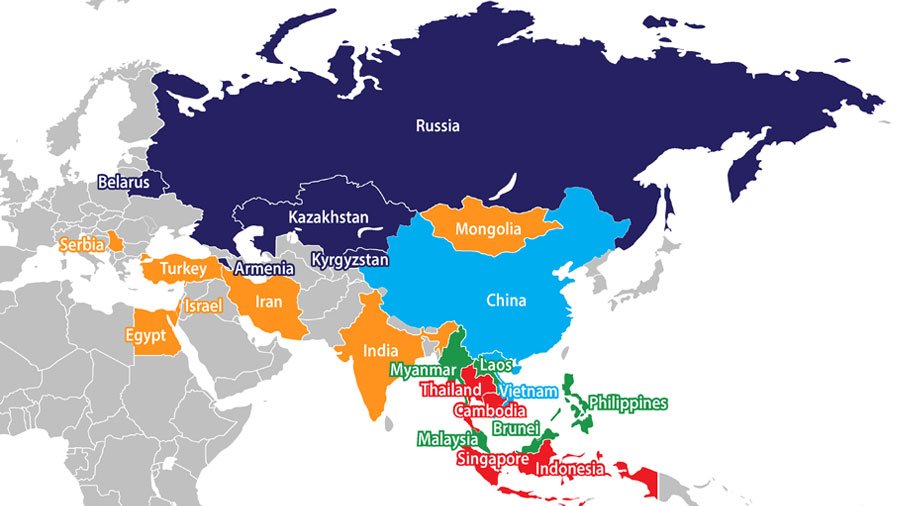
India is not waiting around, though. The country is working hard to sign new trade deals with places like the UK, the European Union, and the Eurasian Economic Union. By diversifying its trade partners, India hopes to keep its economy strong regardless of how the US tariff situation unfolds.
There’s more to life than simply increasing its speed.
By Udaipur Freelancer
What Happens Next?
With proposed tariffs of 12.5 percent expected to start in July, many companies are preparing for potential cost changes. The results of the new Section 301 investigations should be finished by the end of next month. This will give a much clearer picture of what the final trade rules will look like.
For now, the message from the US is one of rebalancing. They want to ensure fair competition and better trade terms across the board. Whether this results in a win for all parties remains to be seen, but the coming weeks will be vital for global trade policy.
Udaipur Freelancer delivers high-quality web, marketing, and design solutions. We focus on building impactful digital experiences that help your brand succeed in today's market.














Recommended for you
Must-See Art Exhibitions Around the World This Year
The Revival of Classical Art in a Digital Age
Breaking Down the Elements of a Masterpiece Painting
The Revival of Classical Art in a Digital Age