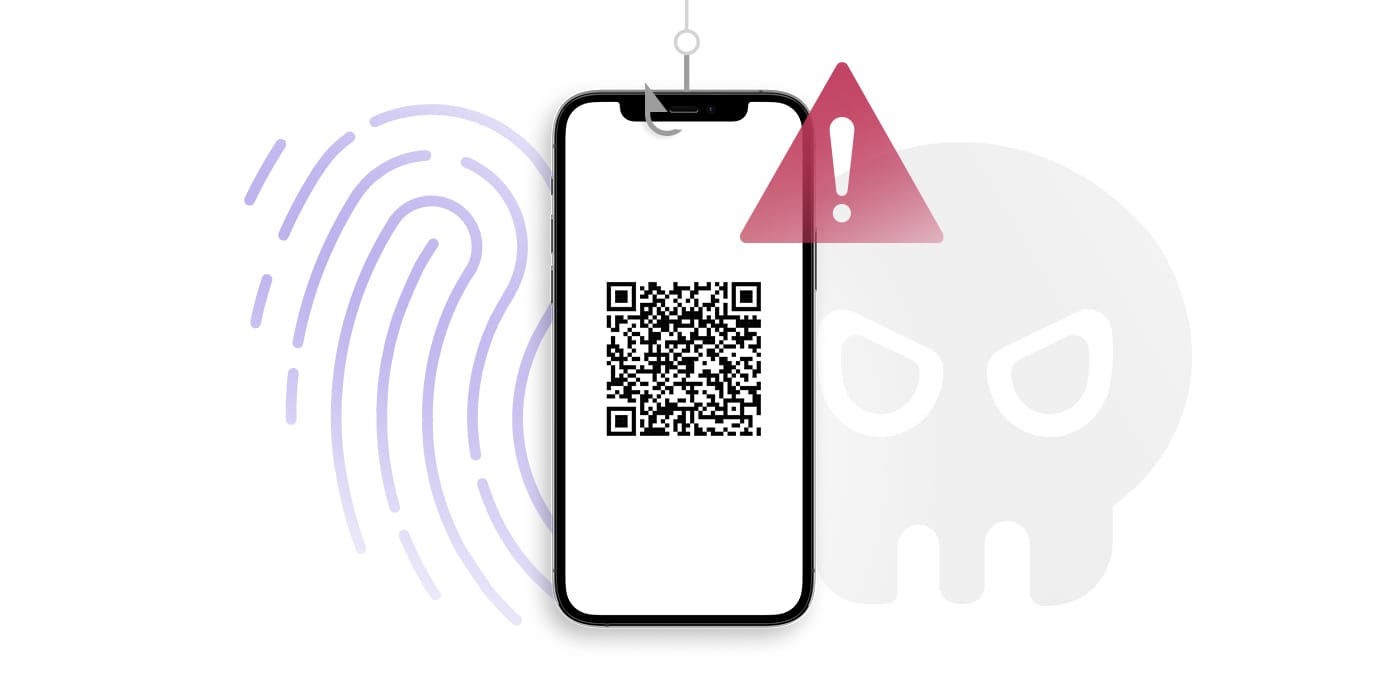
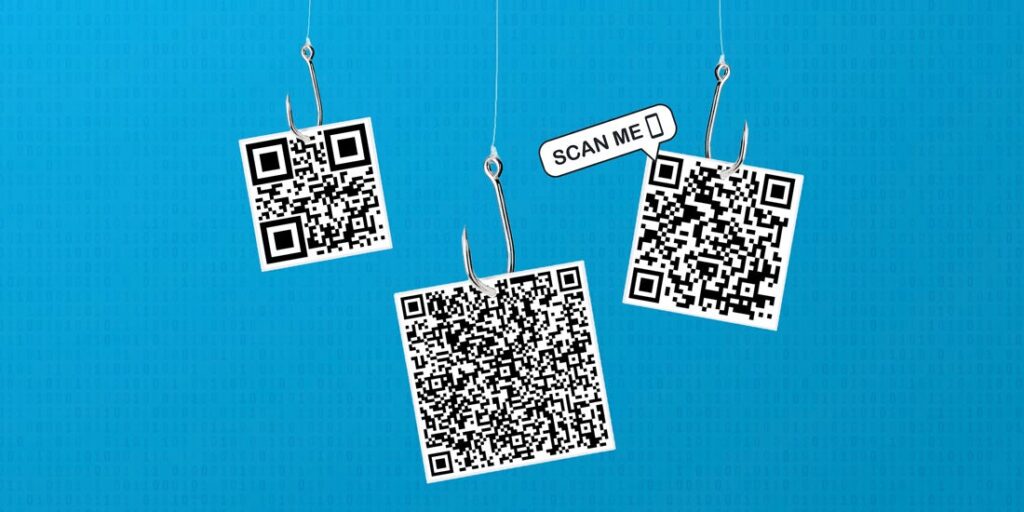
In an era where convenience is king, the humble QR code has become a ubiquitous part of our daily lives, appearing on everything from restaurant menus and parking meters to marketing flyers and digital payment terminals. However, this seamless bridge between the physical and digital worlds has also opened a dangerous new gateway for cybercriminals through a tactic known as quishing, or QR code phishing. While many of us have been trained to spot suspicious links in emails or texts, we often possess a misplaced sense of trust in these pixelated squares, scanning them without a second thought. This psychological blind spot is exactly what hackers exploit, masking malicious intent behind the perceived legitimacy of a physical sticker or a digital scan.
The mechanics of a quishing attack are deceptively simple yet highly effective because they bypass traditional security layers. Unlike standard phishing emails that contain clickable links which can be scanned and blocked by security software, a QR code is essentially an image. Most email filters and firewalls struggle to read the intent of an image, allowing malicious codes to land directly in a user’s inbox disguised as urgent payroll updates, package delivery notifications, or security alerts. Once scanned, these codes redirect the victim to sophisticated spoofed websites designed to harvest login credentials, financial information, or even trigger silent malware downloads onto a mobile device.
The threat becomes even more potent in public spaces where physical tampering is easy to execute but hard to detect. Malicious actors frequently place fraudulent stickers over legitimate QR codes on parking kiosks, public charging stations, or outdoor advertisements. Because the average user cannot discern a destination URL just by looking at the black-and-white pattern, they are often deep into a fraudulent transaction before they realize something is wrong. This transition from a physical environment to a digital trap makes quishing a uniquely hybrid threat that exploits our habitual reliance on mobile technology for quick, on-the-go tasks.
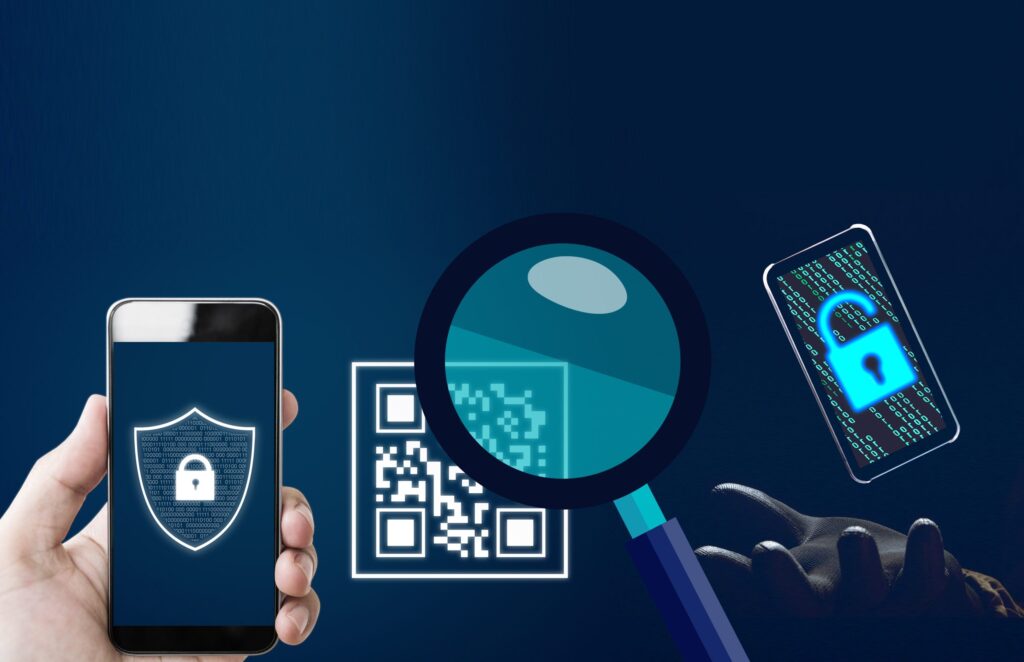
Protecting yourself from this rising trend requires a shift in how we interact with the digital landscape. Vigilance starts with a look but don't leap approach. always inspect the physical integrity of a QR code to ensure it hasn’t been overlaid with a sticker. When you do scan a code, use your phone’s native camera app which typically provides a preview of the URL before you click through, allowing you to verify if the web address looks official or suspiciously garbled. If a QR code unexpectedly asks for a password or credit card details, treat it with extreme skepticism and consider navigating to the official website manually instead of following the code’s lead.
There’s more to life than simply increasing its speed.
By Udaipur Freelancer
Ultimately, understanding the threat of QR code phishing is about reclaiming a healthy sense of digital skepticism in an increasingly automated world. As hackers refine their methods to target our mobile devices, our best defense remains a combination of robust security habits and mindful technology use. By treating every QR code as a potential link from a stranger, you can enjoy the convenience of modern connectivity without falling victim to the invisible traps hidden within those tiny squares. Education and awareness are the strongest shields against the evolving tactics of quishing, ensuring that your quick scan doesn't lead to a long-term security nightmare.












Recommended for you
Must-See Art Exhibitions Around the World This Year
The Revival of Classical Art in a Digital Age
Breaking Down the Elements of a Masterpiece Painting
The Revival of Classical Art in a Digital Age