In an era of viral food trends and conflicting advice, understanding the true science of nutrition requires moving beyond the simplistic "calories in versus calories out" model. Modern dietetics reveals that food is essentially information for our cells, influencing everything from hormonal balance to genetic expression. By viewing our daily meals as a sophisticated delivery system for health rather than just fuel for physical movement, we can begin to appreciate the profound impact that micronutrients and phytonutrients have on our long-term vitality. The goal of modern nutrition is no longer just weight management, but the optimization of every biological system within the body to prevent chronic disease and enhance daily cognitive function.
At the heart of this nutritional revolution is the burgeoning study of the gut microbiome, often referred to as the body’s "second brain." Scientific research now confirms that the trillions of bacteria living in our digestive tract play a pivotal role in our immune response, metabolic rate, and even our mental health. Eating for gut health means prioritizing diversity, specifically through a wide array of fiber-rich plants and fermented foods that nourish beneficial microbes. When we foster a thriving internal ecosystem, we improve our body's ability to absorb nutrients and regulate systemic inflammation, which is the hidden root cause of many modern ailments.
Furthermore, the concept of bio-individuality has dismantled the idea of a universal "perfect diet" that works for everyone. Diet science is increasingly focusing on how our unique genetic makeup, age, and lifestyle factors dictate our specific nutritional requirements. For instance, while one individual may thrive on a high-fat ketogenic approach, another might find optimal energy through complex carbohydrates and plant proteins. This shift toward personalized nutrition encourages us to listen to our bodies' bio-feedback, such as energy levels, sleep quality, and digestive comfort, rather than strictly adhering to rigid, one-size-fits-all meal plans that often lead to metabolic burnout and psychological restriction.
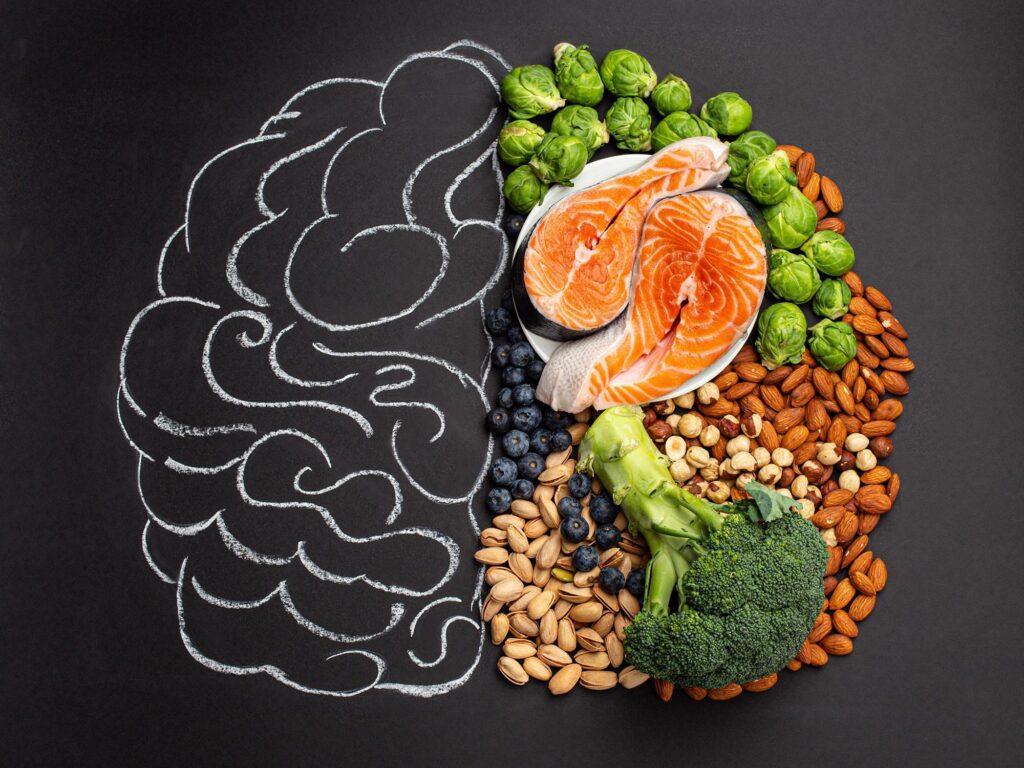
To truly master the art of eating, we must also shift our focus toward nutrient density rather than just macronutrient ratios. It is entirely possible to meet your protein, fat, and carb goals while remaining malnourished on a cellular level if those calories come from highly processed, "dead" sources. Real, whole foods carry a complex matrix of antioxidants and minerals that work synergistically to repair DNA and combat oxidative stress. By choosing "living foods" that are as close to their natural state as possible, we ensure that every bite contributes to our body’s structural integrity and biochemical efficiency, effectively slowing the biological aging process from the inside out.
There’s more to life than simply increasing its speed.
By Udaipur Freelancer
Finally, the science of nutrition is incomplete without addressing the psychology of how we eat. Mindful eating, the practice of being fully present during meals, has been shown to significantly improve digestion and the accuracy of satiety signals sent to the brain. When we rush through meals or eat under high stress, our body’s "rest and digest" mode is deactivated, leading to poor nutrient assimilation and weight gain. By combining evidence-based nutritional choices with a sustainable, stress-free relationship with food, we create a lifestyle that is both scientifically sound and deeply nourishing. Ultimately, the most effective diet is not a temporary fix, but a lifelong commitment to honoring our biological needs through informed and intentional choices.














Recommended for you
Must-See Art Exhibitions Around the World This Year
The Revival of Classical Art in a Digital Age
Breaking Down the Elements of a Masterpiece Painting
The Revival of Classical Art in a Digital Age