The modern urban landscape is undergoing a radical transformation as the traditional dream of a white-picket-fence home gives way to the practical, vibrant reality of co-living. In high-density markets where real estate prices have outpaced wage growth, co-living has emerged not just as a budget-friendly alternative, but as a sophisticated lifestyle choice for young professionals and digital nomads. By offering fully furnished spaces, all-inclusive utilities, and flexible lease terms, these managed communities remove the friction typically associated with moving to a major city. This plug-and-play model allows residents to bypass the headaches of setting up internet accounts, buying furniture, or negotiating with multiple roommates, making it the ultimate solution for a generation that prioritizes mobility and ease over permanent ownership.
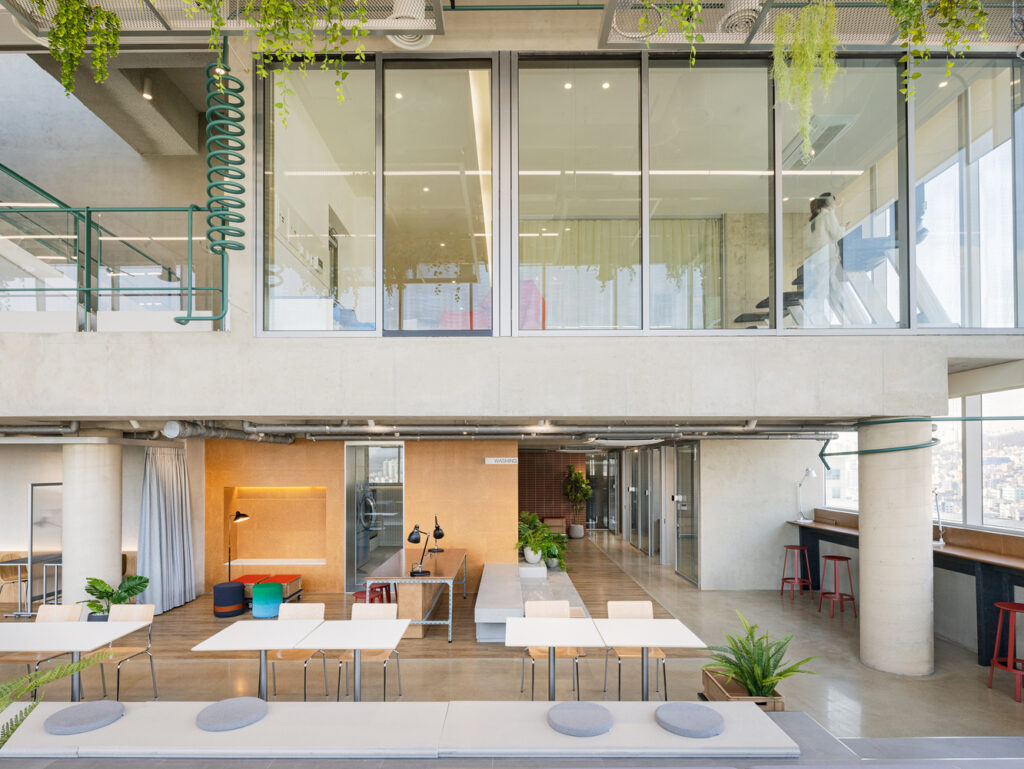
Beyond the financial and logistical advantages, the true driver of the co-living boom is the profound need for human connection in an increasingly isolated digital age. High-density cities can often feel remarkably lonely despite the millions of people living in close proximity, and co-living addresses this loneliness epidemic by design. These spaces are engineered to foster spontaneous interaction through shared gourmet kitchens, communal lounges, and curated social events like yoga classes or networking mixers. By blending private living quarters with high-quality communal zones, co-living providers are successfully creating micro-neighborhoods within single buildings, where a sense of belonging is built into the monthly rent.
From a real estate perspective, the rise of co-living represents a strategic shift toward maximum efficiency and asset optimization. Developers are finding that by focusing on density and shared amenities, they can generate higher yields per square foot while providing a product that remains accessible to a broader demographic. This trend is further fueled by the shift toward remote and hybrid work, as many co-living spaces now integrate high-end coworking facilities that rival premium office hubs. As urban centers continue to densify and the demand for flexible housing grows, co-living is poised to transition from a niche trend into a fundamental pillar of the modern housing market, redefining how we think about community, convenience, and the concept of home.
There’s more to life than simply increasing its speed.
By Udaipur Freelancer














Recommended for you
Must-See Art Exhibitions Around the World This Year
The Revival of Classical Art in a Digital Age
Breaking Down the Elements of a Masterpiece Painting
The Revival of Classical Art in a Digital Age