Remember the recent West Bengal elections? While political pundits debated mandates and turnout, many urban households in metros like Delhi NCR and Bangalore were grappling with a different kind of crisis. For a significant chunk of urban India, an election thousands of kilometres away brought daily life to a grinding halt. Why? Because the steady, often invisible, backbone of their homes – domestic workers, many from West Bengal – had gone home to vote.
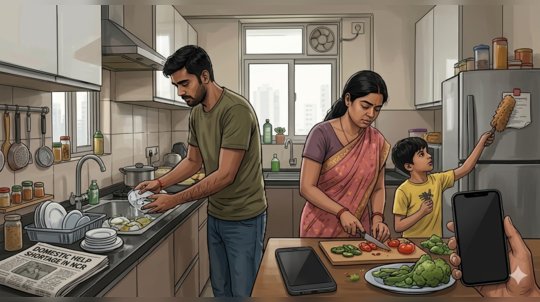
Suddenly, the usual discussions about politics were replaced by a far more immediate concern: 'JPB' (jhaadu–pochha–bartan) without your 'didi'. Social media was flooded with relatable (and sometimes humorous) reels of young couples struggling with mundane chores, their marriages 'being tested' by the sheer volume of housework. This wasn't just an inconvenience; it was a stark, uncomfortable mirror reflecting our deep dependence on a labour force we often take for granted.
The Unseen Pillars of Urban Life
For many urban professionals, including those of us in gated societies, working demanding jobs or running startups, domestic staff aren't a luxury; they're an absolute necessity. Maids, cooks, drivers, and nannies manage our hyper-personalised needs, freeing us up for our careers and lifestyles. Most of us have never truly attempted these tasks ourselves. This arrangement, however, is often built on a fragile foundation.
The typical contract for domestic work in India is far from ideal: low pay, a grueling seven-day week, unclear scope of work, and a general lack of respect. Workers negotiate individually, often with multiple employers, leading to exploitative terms. The absence of these workers during the elections, an entirely anticipated event, exposed just how precarious this informal labour market truly is.
Democracy and Dignity: An Inconvenient Truth
The article highlights a telling anecdote: an employer questioning the 'real need' for a Bengali cook to travel to vote, generously suggesting time off during Diwali instead. This reveals a problematic mindset – one that sees a worker's fundamental right as an 'inconvenience.' It underscores a profound class divide, where the democratic participation of one group is seen as an disruption to the comfort of another.
While employers experienced stress and frustration (many urban residents found their stress levels soaring, perhaps even feeling like their unstable blood sugar was making anxiety unmanageable), the bigger picture is about the dignity of labour and the rights of those who provide essential services. This wasn't merely about chores; it was about acknowledging the humanity and agency of our domestic workers.
The Gig Economy Twist: A Double-Edged Sword?
An interesting development in this sector is the rise of app-based gig platforms. For a fee, these apps connect customers with well-trained professionals for specific household tasks. These 'pros' arrive in uniform, use timers, and adhere to contractual boundaries. Extra tasks are priced clearly. For workers, this offers better pay and flexible hours, giving them unprecedented bargaining power and a measure of dignity.
There’s more to life than simply increasing its speed.
By Udaipur Freelancer
The writer's own experience with Safina, an excellent worker who preferred the app's flexibility to a regular job, shows the potential. However, during the election crunch, even these apps struggled. Safina was unavailable, and finding slots became a challenge due to the sharp decline in Bengali migrant labour supply. Predictably, this negative shock pushed up wages, both on apps and for traditional contracts. But will this wage revision be permanent, or will things snap back?
While gig platforms offer some benefits, they also present new challenges. The commodification of human labour means workers might be clocking 10-11 hour days, moving between unfamiliar homes with few breaks, all to meet back-to-back bookings. Customers try to extract maximum value for their booked hours, but who tracks the toll on the worker? Just as global political shifts, like updates on foreign policy, can ripple across the world, a state election can bring our homes to a standstill.
Time for a Rethink: Dignity, Respect, and Fair Contracts
For many of us, the first time we truly cooked or cleaned for ourselves was during the COVID-19 lockdown, or perhaps during a stint abroad where labour costs were prohibitive. We talked about our exhaustion for months then, but as employers, that memory seems to fade quickly. The domestic labour crisis during the elections offers another opportunity for collective reflection.
As workers return to our cities, perhaps it's time to think afresh about dignity and respect for those who provide essential services. This means creating fairer contracts that recognise human effort, offering respectful working conditions, and acknowledging their invaluable contribution to our lives. It also means considering building some of these essential life skills for ourselves. Something is fundamentally not right if an election hundreds of miles away can bring our households to a complete halt.
This isn't just about finding someone to clean your house; it's about addressing deep-seated societal inequalities and fostering a more equitable and respectful relationship with the people who enable our urban lifestyles. Let's not ignore this crisis until the next election or unforeseen event.
Udaipur Freelancer delivers high-quality web, marketing, and design solutions. We focus on building impactful digital experiences that help your brand succeed in today's market.
















Recommended for you
Must-See Art Exhibitions Around the World This Year
The Revival of Classical Art in a Digital Age
Breaking Down the Elements of a Masterpiece Painting
The Revival of Classical Art in a Digital Age