In the modern era of T20 cricket, power-hitting is no longer a luxury. it is an absolute necessity. Over the past few years, Indian cricket fans have watched with bated breath as Shivam Dube has transformed from a promising all-rounder into one of the most destructive middle-order batters in the country. His sheer physical strength, combined with a towering bat swing, makes him a nightmare for opposition bowlers.
However, according to Indian cricket legend and former captain Sunil Gavaskar, Dube has not yet reached his final, most terrifying form. Following a blistering match-winning knock against the Netherlands in the T20 World Cup, Gavaskar broke down Dube’s game, pinpointing one specific, missing link in his technique.
If Dube can master this single stroke, Gavaskar warns the cricketing world, he will transition from being a dangerous hitter into a really scary batter.
Let’s dive deep into Shivam Dube’s recent heroics, Sunil Gavaskar’s masterclass analysis, and what this means for the Indian team as they march into the crucial Super 8s.
The Context: Rescuing India Against the Netherlands
To understand the weight of Gavaskar’s comments, we first have to look at the immediate context. India recently faced off against the Netherlands in their final group game of the T20 World Cup. Led by Suryakumar Yadav, the young Indian contingent was looking to finish the group stage with a dominant statement.
However, T20 cricket is famously unpredictable. India suffered a sudden mini-collapse, putting the team under unexpected pressure against a spirited Dutch side. Enter Shivam Dube.
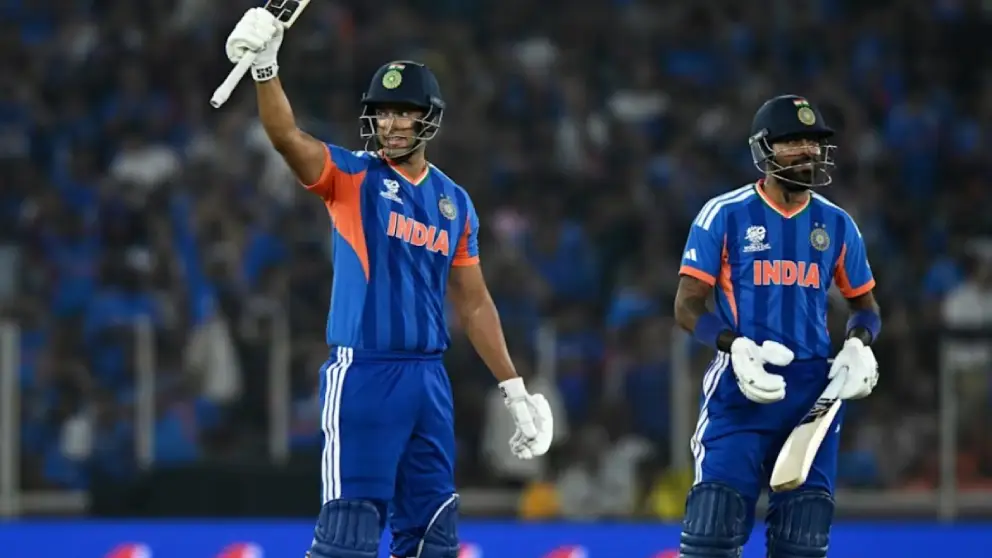
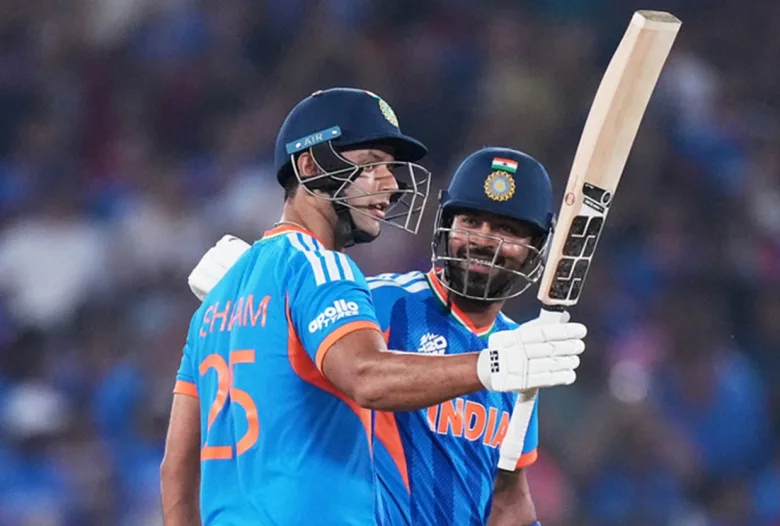
Walking to the crease when the team needed stability combined with aggression, Dube delivered a spectacular counter-attack. He smashed a breathtaking 66 runs off just 31 balls. This innings wasn't just about mindless slogging. it was a calculated assault that wrested momentum back from the Netherlands. Dube’s innings ensured that India posted a highly competitive total, which ultimately proved too much for the opposition.
India secured a comfortable 17-run victory, finishing their group stage undefeated. While the bowlers did their job, it was Dube who was the undeniable architect of the win.
Sunil Gavaskar’s Masterclass: Breaking Down Dube’s Game
Following the match, Sunil Gavaskar took to Star Sports to offer his expert analysis on Dube’s evolution. Gavaskar, known for his meticulous understanding of batting technique, was full of praise for the tall left-hander.
He highlighted why Dube is already causing headaches for captains around the world.
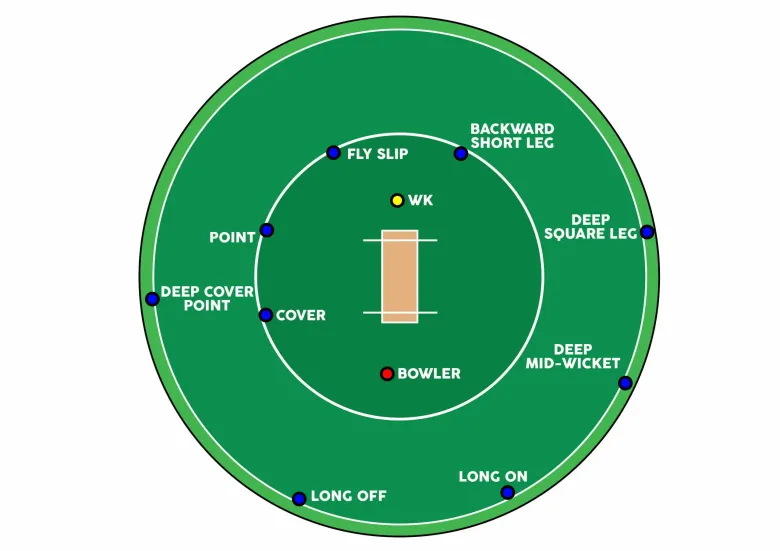
"Shivam Dube is very difficult to bowl to because he has a wide range of shots," Gavaskar explained. "You can bowl outside off stump, but he still has the power to hit over long on. He is not just looking to hit over mid-wicket and square leg. He can clear long-off as well."
This is a crucial observation. Historically, tall, strong batters who favor the leg side (like Dube) are countered by bowling wide outside the off-stump, forcing them to reach for the ball and lose their shape. Bowlers try to keep the ball away from their arc of power. However, as Gavaskar pointed out, Dube has developed the immense brute strength required to fetch balls from outside off-stump and still smash them straight down the ground over long-off and long-on.
He is no longer a one-dimensional leg-side slogger. He has developed a formidable V-shape hitting zone down the ground. But even with this impressive growth, Gavaskar sees room for one lethal addition.
The Missing Link: The Inside-Out Shot Over Extra Cover
Despite his immense power down the ground and on the leg side, Gavaskar identified a specific gap in the field that Dube needs to exploit to become truly unstoppable.
The legendary opener stated "If he works hard on developing the inside-out shot over extra cover, he will become a really scary batter. Then he can hit the ball to any part of the ground."
Why is the Inside-Out Shot So Important?
To understand why this specific shot is the missing link, we must look at the geometry of a cricket field and the psychology of a bowler.
When a left-handed power hitter like Dube is at the crease, captains generally pack the leg-side boundary (deep mid-wicket, deep square leg) and put fielders at long-on and long-off. The bowler's game plan is usually to bowl wide away from the batter's body, angling it across the left-hander to prevent them from hitting into the leg-side trap.
There’s more to life than simply increasing its speed.
By Udaipur Freelancer
If a batter can only hit straight or to the leg side, a bowler can safely bowl wide off-stump yorkers or wide slower balls.
This is where the inside-out shot changes everything. To play this shot, a batter makes room by stepping slightly toward the leg side, opening up their body, and hitting the ball inside-out over the extra cover boundary.
If Shivam Dube perfects this shot:
He Destroys Defensive Bowling: Bowlers can no longer hide the ball outside the off-stump. If they bowl wide, Dube will simply slice them over extra cover for six.
He Becomes a 360-Degree Threat: Combined with his existing ability to hit straight and to the leg side, adding extra cover to his arsenal means he can hit boundaries in every direction.
Field Placements Become Impossible: A captain cannot protect the leg side, the straight boundaries, and the deep extra cover boundary all at once in a T20 game. There will always be a gap.
As Gavaskar noted, "The way Shivam Dube is maturing with every innings is very good news for India." If he adds this final puzzle piece to his batting, the word scary might be an understatement.
Beyond Dube: The Silent Assassin, Varun Chakravarthy
While Shivam Dube stole the headlines with the bat against the Netherlands, India’s bowling attack was equally impressive, led by the mystery spin of Varun Chakravarthy.
Gavaskar was quick to praise the 32-year-old spinner, who bowled a magnificent spell, taking 3 wickets for just 14 runs in his 4 overs. This performance took Chakravarthy’s tournament tally to an impressive nine wickets.
"Varun Chakravarthy’s figures of three for 14 in four overs are amazing," Gavaskar noted. "When you take wickets, you also take away runs from the opposition. Clearly, Varun is going to be your key bowler. India will depend a great deal on Varun's four overs. How the opposition tries to counter him in the Super 8 stage will be very interesting to see."
In T20 cricket, taking wickets in the middle overs is the most effective way to stem the flow of runs, and Chakravarthy has proven himself to be India's primary weapon in doing exactly that.
Looking Ahead: The Super 8 Clash Against South Africa
With the group stages conquered, the Suryakumar Yadav-led Indian team now sets its sights on the Super 8s, beginning with a high-voltage clash against South Africa in Ahmedabad.
The change in venue brings a change in conditions, and Sunil Gavaskar offered his predictions on how the Indian management might tweak their playing XI to suit the pitch at the Narendra Modi Stadium.
The Return of Axar Patel?
Gavaskar strongly feels that all-rounder Axar Patel will make his return to the playing XI. "I feel Axar Patel will definitely come back to the playing XI for the Super 8 games," he predicted. The likely casualty for this change could be fast bowler Arshdeep Singh.
Why Washington Sundar Keeps His Place
Gavaskar also believes that off-spinning all-rounder Washington Sundar will retain his spot. The primary reason? Batting depth. Having Sundar bat at number eight allows the top order, including players like Dube, the freedom to play aggressively without fear of exposing the tail too early.
The Kuldeep Yadav Dilemma
Interestingly, Gavaskar noted that the Ahmedabad pitch historically does not offer massive turn. Because of this, the team management might refrain from playing wrist-spinner Kuldeep Yadav. "Kuldeep also did not play too many matches against South Africa in the home T20I series," Gavaskar recalled. Therefore, the combination of Chakravarthy's mystery, Axar's accuracy, and Sundar's all-round abilities seems to be the winning formula in Gavaskar's eyes.
Conclusion
The Indian team looks a formidable force as they head into the business end of the T20 World Cup. They have a captain in Suryakumar Yadav who leads from the front, a middle-order enforcer in Shivam Dube who is finding his peak, and a bowling attack spearheaded by the wily Varun Chakravarthy.
However, the ultimate takeaway from the recent matches remains Sunil Gavaskar’s brilliant piece of advice. Shivam Dube is already a massive asset to Indian cricket. But the day he confidently steps away to the leg side and lofts a wide yorker over extra cover for a maximum, the rest of the cricketing world had better watch out. Because at that moment, just as the Little Master predicted, Shivam Dube will become a truly scary batter.
Udaipur Freelancer delivers high-quality web, marketing, and design solutions. We focus on building impactful digital experiences that help your brand succeed in today's market.














Recommended for you
Must-See Art Exhibitions Around the World This Year
The Revival of Classical Art in a Digital Age
Breaking Down the Elements of a Masterpiece Painting
The Revival of Classical Art in a Digital Age