Hey everyone! Today we are talking about a huge piece of news that has been making headlines across the country. It’s all about water, politics, and a project that took almost 45 years to finish.
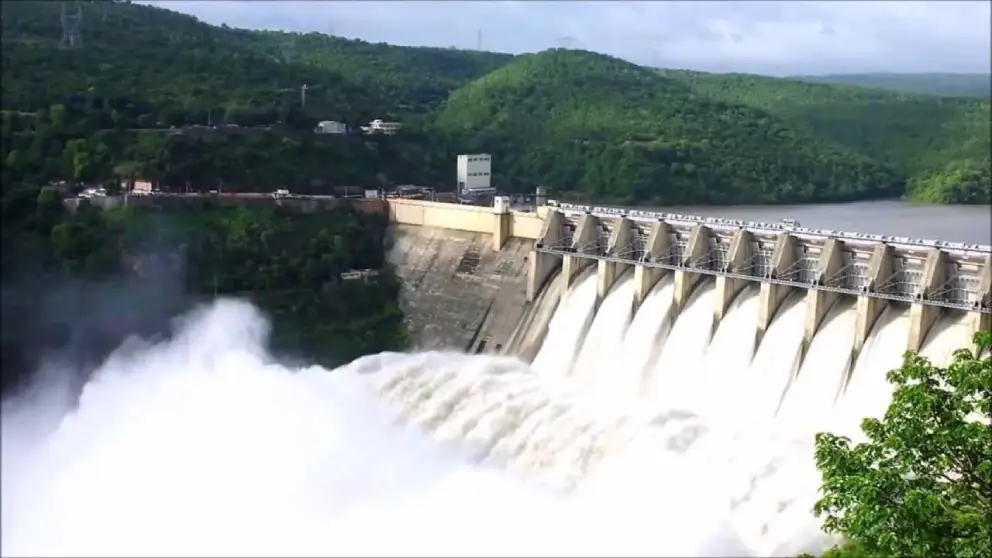
India has finally stopped the flow of water from the Ravi River into Pakistan. This happened because the construction of the Shahpur Kandi barrage is finally complete. For decades, water that belonged to India was flowing into Pakistan because we didn't have the right structure to stop it and use it. But from now on, that’s changing.
Let’s dive deep into what this means, why it took so long, and how it’s going to change things for farmers in Jammu & Kashmir and Punjab.
1. The Big News: No More Extra Water for Pakistan
For a long time, India was letting surplus water from the Ravi River flow downstream into Pakistan. This happened at a place called Madhopur. Even though India had the legal right to use this water, we didn't have a way to catch it and redirect it to our own fields.
But as of March 2024, that water tap is being turned off. With the completion of the Shahpur Kandi barrage, India can now keep every drop of its share of the Ravi River.
J&K Minister Javed Ahmed Rana recently made it clear, "Excess water to Pakistan will be stopped. It has to be stopped." This is a big deal because, for years, our own farmers in places like Kathua and Samba were facing droughts while our water was flowing across the border.
2. Understanding the Indus Waters Treaty (IWT)
To understand why India is allowed to do this, we have to look back at 1960. That year, India and Pakistan signed the Indus Waters Treaty, which was brokered by the World Bank.
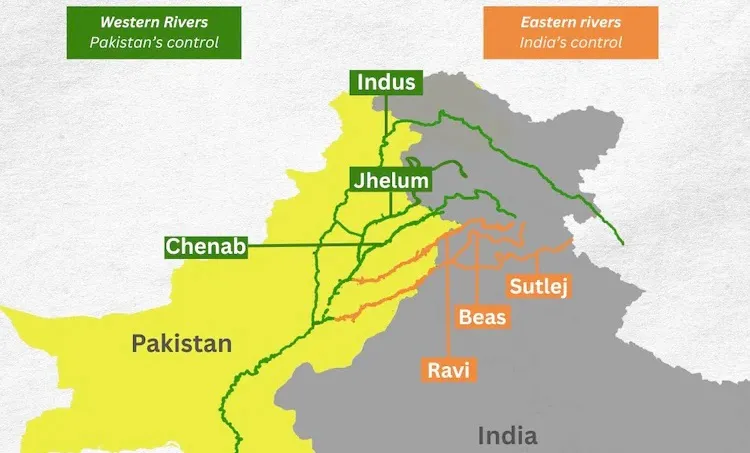
The treaty divided the six main rivers of the Indus system between the two countries:
The Eastern Rivers: Sutlej, Beas, and Ravi. India has full rights to use all the water from these three rivers.
The Western Rivers: Indus, Jhelum, and Chenab. Most of the water from these rivers goes to Pakistan, though India can use some for specific purposes like power generation.
Even though India had the right to the Ravi (an Eastern River), we were letting about 2 million acre-feet of water flow into Pakistan every year because the Shahpur Kandi project wasn't finished. Now, India is simply claiming what is legally ours.
3. What is the Shahpur Kandi Barrage?
You might be wondering, 'What exactly is a barrage?' Think of it like a big gate or a small dam built across a river. Its main job isn't usually to make electricity (though this one will), but to divert water into canals so it can be sent to farms.
The Shahpur Kandi barrage is located on the Ravi River in the Gurdaspur district of Punjab, right on the border with Jammu and Kashmir. It’s located downstream from the famous Ranjit Sagar Dam.
Why did it take 45 years?
This project has a very long and messy history.
1979: The plan was first imagined.
1982: Former Prime Minister Indira Gandhi laid the foundation stone. The goal was to finish it by 1988.
The Delay: For decades, the project was stuck. Why? Because the governments of Punjab and Jammu & Kashmir couldn't agree on how to share the water and the costs. There were many legal fights and ego clashes that kept the work on hold.
2008: It was declared a National Project, but even then, work moved slowly.
2018: This was the turning point. The Narendra Modi government stepped in and helped Punjab and J&K reach an agreement. The central government also gave a big grant of over ₹485 crore to get the work moving fast.
4. How Does This Help India?
This isn't just about stopping water from going to Pakistan, it's about helping our own people.
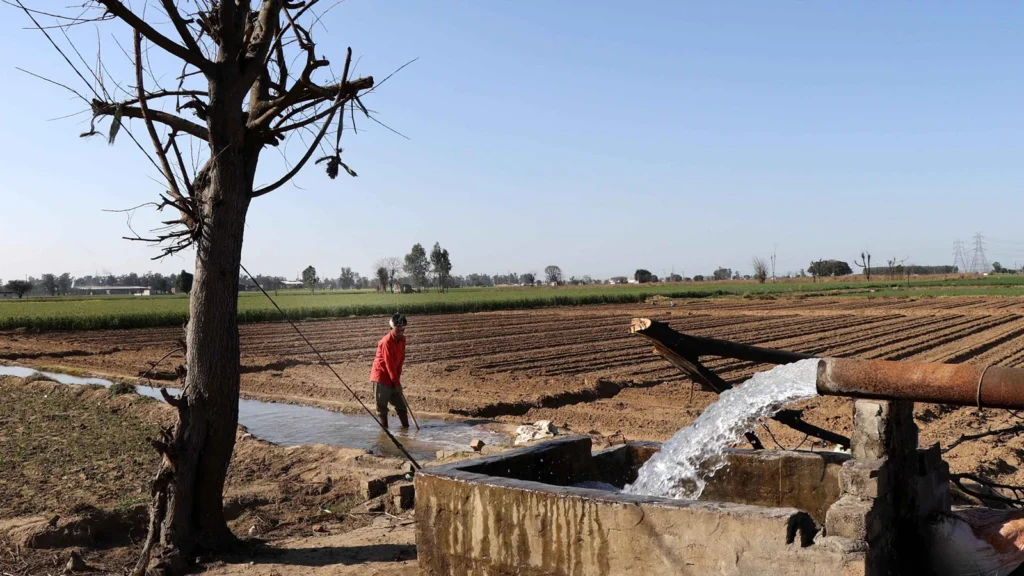
1. Irrigation for J&K: The biggest winner here is Jammu and Kashmir. The project will help irrigate over 32,000 hectares of land in the Kathua and Samba districts. These areas are often very dry, and this water will be a lifesaver for local farmers.
2. Benefits for Punjab: Punjab will also benefit, with about 5,000 hectares of land getting better irrigation.
There’s more to life than simply increasing its speed.
By Udaipur Freelancer
3. Clean Energy: The project isn't just for farming. It will also help generate around 206 Megawatts of electricity. This means more power for homes and factories in the region.
5. The Impact on Pakistan: A Tough Summer Ahead
Pakistan is already facing a lot of water trouble. Their economy depends heavily on agriculture (about 25% of their GDP comes from farming), and 80% of their farming depends on the Indus River system.
With India stopping the flow of the Ravi, Pakistan will have less water for its crops, especially as they head into a harsh summer. Major cities like Lahore and Multan also rely on this river system for their urban water supply.
In the past, India let the water flow because the infrastructure wasn't ready. But now, India is making it clear that it will prioritize its own farmers first.
6. The Blood and Water Philosophy
There is a big political side to this as well. After the terror attacks in Uri (2016) and Pulwama (2019), the Indian government changed its stance on water sharing.
Prime Minister Modi famously said, 'Blood and water cannot flow together.' This was a message that if there is hostility and terrorism coming from across the border, India will not continue to give "gifts" like extra water that it isn't legally required to share.
Since then, India has fast-tracked several projects:
Shahpur Kandi is now done.
Work is moving fast on hydro-power projects on the Chenab River (like the Ratle and Kiru projects).
India is also looking to resume work on the Wular Barrage on the Jhelum River, which was stopped years ago due to security concerns.
7. What Happens Next?
From April 2024, the water flow will be fully regulated. India is also working on the Ujh Multipurpose Project, which will store even more water from the Ravi's tributaries to use in J&K.
Pakistan has tried to complain to international courts, like the Court of Arbitration at The Hague, calling this the weaponization of water. However, India has rejected these claims, stating that everything being done is strictly within the rules of the 1960 Indus Waters Treaty.
Summary of the Benefits:
Kathua and Samba (J&K): 32,000 hectares irrigated.
Punjab: 5,000 hectares irrigated.
Electricity: 206 MW of green energy.
Legal Rights: India finally uses 100% of its Ravi River share.
Conclusion
The completion of the Shahpur Kandi barrage is a historic moment. It ends a 45-year wait and ensures that Indian water stays in India to help Indian farmers. It’s a mix of great engineering, better political willpower, and a clear message about national interest.
For the farmers in Kathua, Samba, and Gurdaspur, this is the start of a much brighter and greener future.
What do you think about this move? Let me know in the comments below!
Udaipur Freelancer delivers high-quality web, marketing, and design solutions. We focus on building impactful digital experiences that help your brand succeed in today's market.













Recommended for you
Must-See Art Exhibitions Around the World This Year
The Revival of Classical Art in a Digital Age
Breaking Down the Elements of a Masterpiece Painting
The Revival of Classical Art in a Digital Age