A very sad event took place in Bihar on Monday. A sudden rush of people at the famous Ashok Dham temple caused a deadly stampede. At least seven devotees lost their lives, and many others were injured. This tragic incident has shocked the local community and raised big questions about crowd safety at religious places.
What Happened at Ashok Dham Temple?
Ashok Dham temple is located in the Lakhisarai district of Bihar. It is a very holy place for Lord Shiva devotees. Thousands of people visit this temple every week to offer prayers, break coconuts, and seek blessings. On holy days, the number of visitors increases quickly.
According to eyewitnesses, a massive crowd had gathered early in the morning. Everyone wanted to enter the main sanctum at the same time to offer holy water. As the temple gates opened, people started pushing each other to get inside first. The narrow pathways could not handle the huge crowd. Within minutes, people lost their balance and fell to the ground, leading to chaos and suffocation.
Rescue Efforts and Medical Response
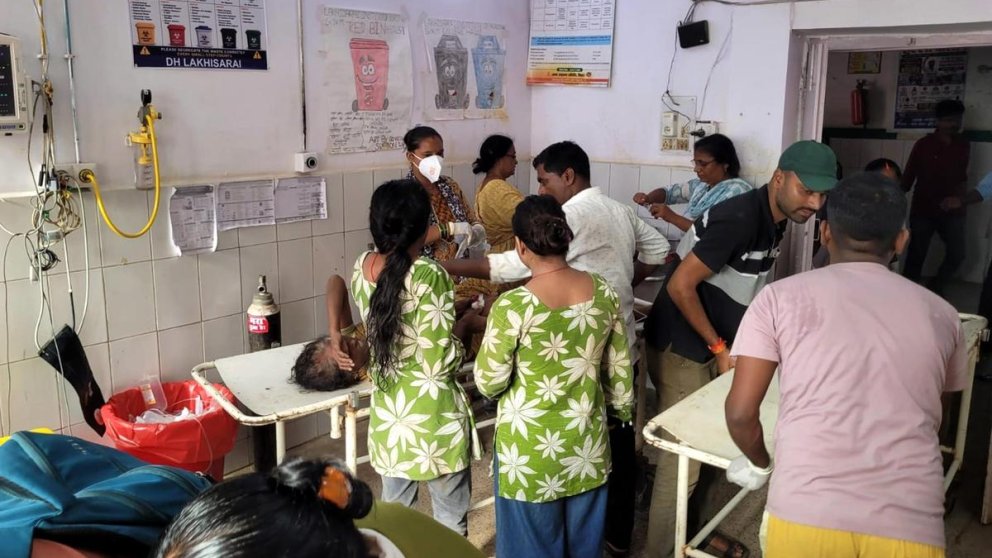
As soon as the stampede started, local volunteers and police officers rushed to help. They tried to break through the crowd to save people who were trapped underfoot. Ambulances and private vehicles were used to transport the injured people to the nearest district hospital.
Doctors at the hospital confirmed that seven people died due to severe asphyxiation and trauma. Several other devotees are still receiving medical care for bone fractures, cuts, and breathing difficulties. The district administration has set up help desks to assist family members looking for their loved ones.
Why Crowd Management and Planning Matter
Managing thousands of people in small, enclosed spaces is a difficult job. When large numbers of people gather without proper entry and exit routes, small rumors or slight pushes can turn into terrible accidents. Proper space management is critical for public safety in both religious spots and urban projects, similar to how authorities focus on safety when layout approval given after considering conservation areas ensures organized and secure spaces.
In many big religious gatherings, poor queue management creates pressure points. Barricades can break under heavy weight, and narrow doors make it hard for people to leave quickly. Experts suggest that temples must limit the number of visitors entering at one time through electronic tokens or timed entry slots.
Administrative Action and Precautionary Steps
Following the tragedy, top officials from the Bihar government ordered a complete inquiry into the incident. The investigation will check whether there were enough security guards on duty and if safety rules were followed by the temple trust. Financial aid has also been announced for the families of the victims.
There’s more to life than simply increasing its speed.
By Udaipur Freelancer
Strict safety restrictions are often necessary when crowds become too large to control. Just like we see strict crowd limits when examining why Bengal beaches are closed for election periods, holy shrines also require temporary closures or strict physical barriers during peak festival seasons to keep citizens safe.
How to Stay Safe in Crowded Places
While authorities work on better crowd control, devotees and visitors can also take simple steps to protect themselves in large gatherings:
First, always look for emergency exit signs as soon as you enter any crowded building or ground. Knowing where the exits are can save your life during an emergency.
Second, stay calm and avoid pushing forward. If you feel the crowd moving too fast, keep your hands up near your chest like a boxer. This posture protects your lungs and ribs from being crushed against other people.
Third, if you drop an item like a phone or a bag, do not bend down to pick it up in a moving crowd. Bending down increases the risk of falling, and standing back up in a surge is very hard.
Conclusion
The loss of seven innocent lives at Ashok Dham temple in Bihar is a painful reminder that safety must always come first. Devotees visit shrines with faith and hope, and they deserve secure environments. Temple trusts and local police departments must work together to create better infrastructure, clear walking paths, and strict crowd limits to make sure such tragedies never happen again.















Recommended for you
Must-See Art Exhibitions Around the World This Year
The Revival of Classical Art in a Digital Age
Breaking Down the Elements of a Masterpiece Painting
The Revival of Classical Art in a Digital Age