For most of the world, this date signifies Valentine’s Day a day of love, flowers, and celebration. But for India, this date is etched in history with black ink. It marks one of the darkest days for the Indian security forces in decades. It was the day the Pulwama Terrorist Attack shook the nation to its core.
If you’ve heard about it but never really understood the full story from the background and the attack itself to the intense military standoff that followed this blog is for you. We are going to take a deep dive into exactly what happened, who was responsible, and how India responded.
Let’s break it all down.
Part 1: The Background Story
Understanding the Tension
To really understand why Pulwama happened, we have to look at the history of the region. Kashmir has been a disputed territory for a very long time, claimed by both India and Pakistan. Since the late 1980s, an insurgency (a violent rebellion) has been going on in Indian-administered Kashmir.
Things started getting worse around 2015. Suicide attacks, which hadn’t been seen for a while, started happening again. In July 2015, gunmen attacked a bus and a police station in Gurdaspur. Then came the attacks on the Pathankot Air Force Station in 2016, and later, the attack on an Army brigade headquarters in Uri, which killed 19 soldiers.
By 2018, violence was spiking. According to reports, around 260 militants, 160 civilians, and 150 government forces died that year alone. The atmosphere was tense, and security forces were on high alert. But no one expected an attack of the magnitude that was about to hit them on the Jammu-Srinagar National Highway.
Part 2: The Attack (February 14, 2019)
The Convoy on the Move
On the morning of February 14, a massive convoy of vehicles was preparing to move. We are talking about 78 vehicles carrying more than 2,500 personnel from the Central Reserve Police Force (CRPF).
These brave men were traveling from Jammu to Srinagar on National Highway 44. Why were there so many of them together? well, the highway had been shut down for two days prior due to bad weather. This caused a backlog, meaning a huge number of personnel had to be moved all at once. The convoy left Jammu around 3:30 AM, aiming to reach Srinagar before sunset.
The Moment of Impact
The clock ticked to around 3:15 PM. The convoy reached a place called Lethpora in the Pulwama district.
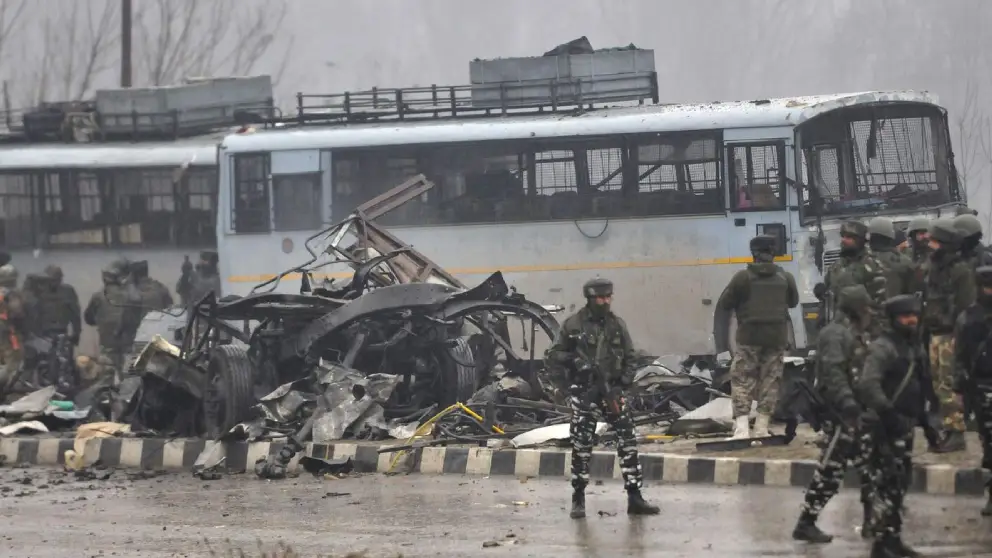
Suddenly, a bus carrying security personnel was rammed by a seemingly ordinary car. But this was no accident. The car was packed with explosives.
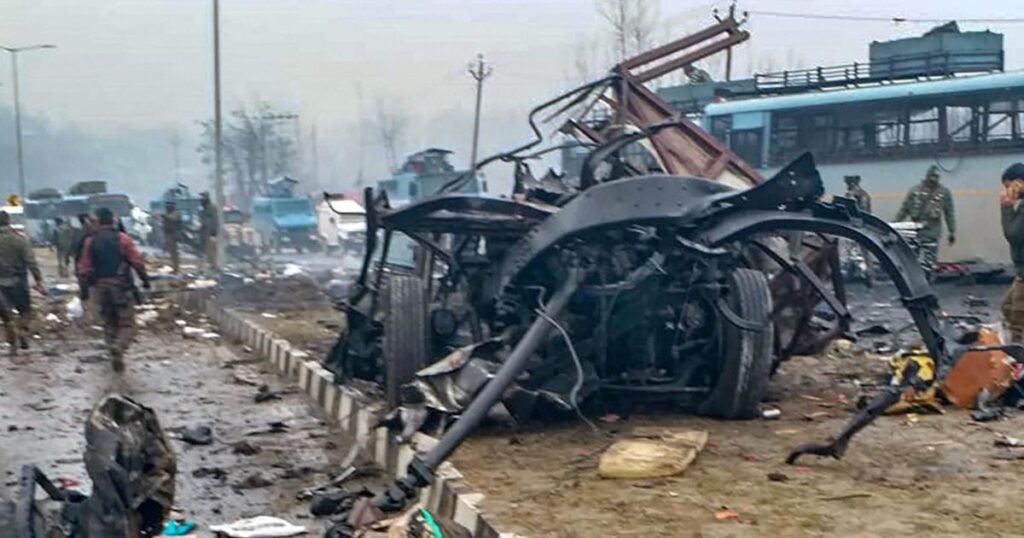
The collision caused a massive blast. It was so powerful that it reduced the bus to twisted metal and killed 40 CRPF personnel on the spot. Many others were injured. The explosion was deafening and could be heard for miles.
The visuals from that day were heartbreaking. The attack was listed as a Suicide attack or a Car bombing. It was the deadliest terror attack on India's state security personnel in Kashmir since 1989.
Part 3: The Perpetrators
Who Was Behind It?
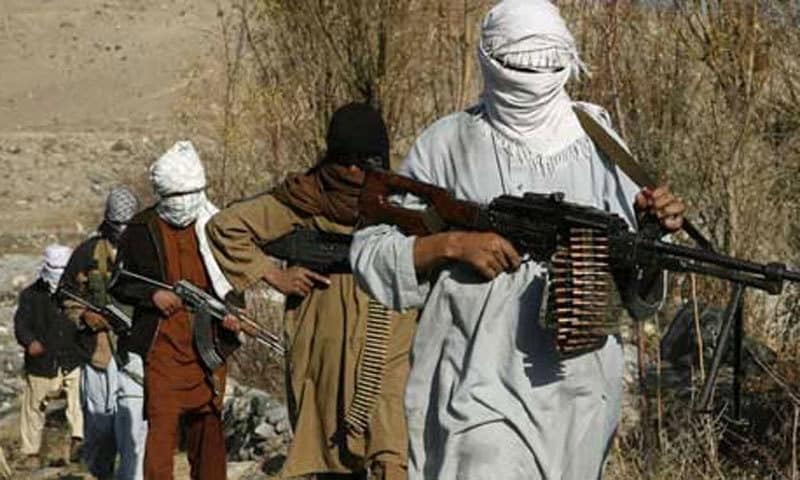
Almost immediately after the blast, a Pakistan-based militant group called Jaish-e-Mohammed (JeM) claimed responsibility. They didn't just claim it. they released a video of the attacker.
The suicide bomber was identified as Adil Ahmad Dar. He was just 22 years old. What makes this even more tragic is that he was a local. Adil was from Kakapora, a village in the Pulwama district itself.
According to reports, Adil had gone missing a year earlier. His family last saw him in March 2018 when he left his house on a bicycle and never came back. His parents said he became radicalized after he was beaten by police in the past. He had reportedly been arrested six times but was released without charges each time.
In the video released by Jaish-e-Mohammed, Adil was seen armed and prepared for the attack. It was a clear signal that this was a planned, calculated act of terror.
Pakistan's Denial
Despite the group Jaish-e-Mohammed (which is based in Pakistan) claiming responsibility, Pakistan denied any involvement. They condemned the attack but said they had nothing to do with it. However, Indian investigators and security experts pointed out that JeM leader Masood Azhar is known to operate within Pakistan.
Part 4: The Intelligence Failure?
Were There Warnings?
After the attack, a difficult question arose: Could this have been prevented?
It turns out there were warning signs. The Central Government had received at least 11 intelligence inputs before the attack. Just two days before the blast, Jaish-e-Mohammed had uploaded a video of a vehicle attack in Afghanistan, hinting that they might do something similar in Kashmir.
There were reports that the Home Ministry had refused a request to transport the CRPF soldiers by air to avoid the road risk, though this was a point of debate later. The tragedy highlighted a potential gap in how intelligence was processed and acted upon.
Part 5: The Investigation
Piecing the Evidence Together
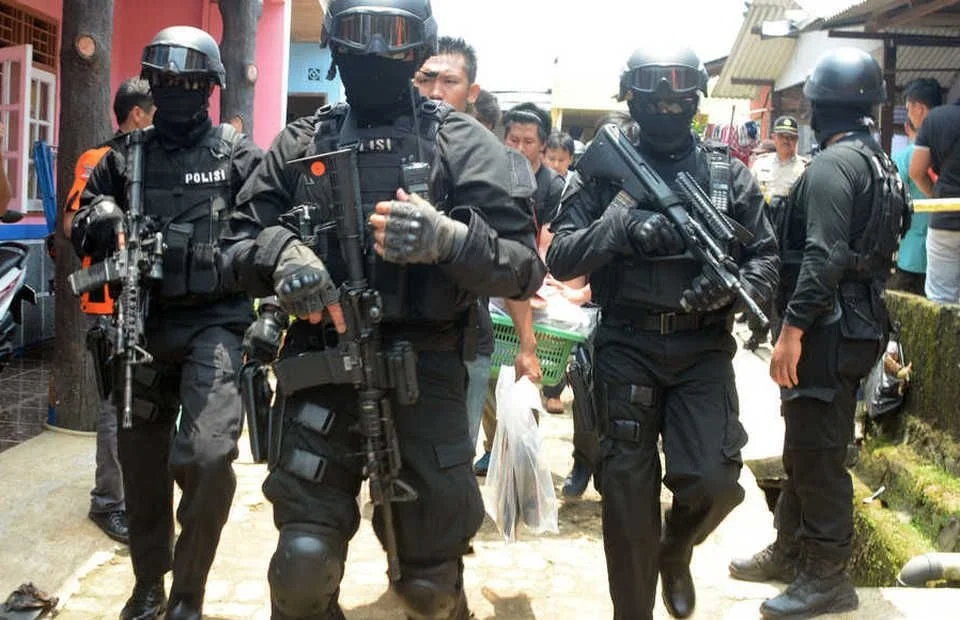
The National Investigation Agency (NIA) of India immediately took over. They sent a 12-member team to the site, working alongside the Jammu and Kashmir Police.
What they found was alarming.
The Explosives: Initial investigations suggested the car was carrying more than 300 kilograms (660 lbs) of explosives! This included 80 kilograms of RDX (a high-grade explosive) and ammonium nitrate.
The Origin: Lieutenant General Hooda stated that the explosives might have been stolen from a construction site, but he also didn't rule out that they were smuggled from across the border.
The Car: By looking at fragments of the vehicle, they identified the car used in the bombing.
By August 2020, the NIA filed a charge sheet naming 19 accused people involved in the planning and execution of this horrific act.
Part 6: The Human Cost
A Nation Mourns
The most painful part of this tragedy was the loss of life. 40 brave men from all across India lost their lives that day.
When you look at the list of the fallen soldiers, you see a map of India.
There’s more to life than simply increasing its speed.
By Udaipur Freelancer
12 were from Uttar Pradesh.
5 from Rajasthan.
4 from Punjab.
Others were from West Bengal, Odisha, Uttarakhand, Bihar, Maharashtra, Tamil Nadu, Assam, Karnataka, Kerala, Jharkhand, Madhya Pradesh, Himachal Pradesh, and Jammu & Kashmir.
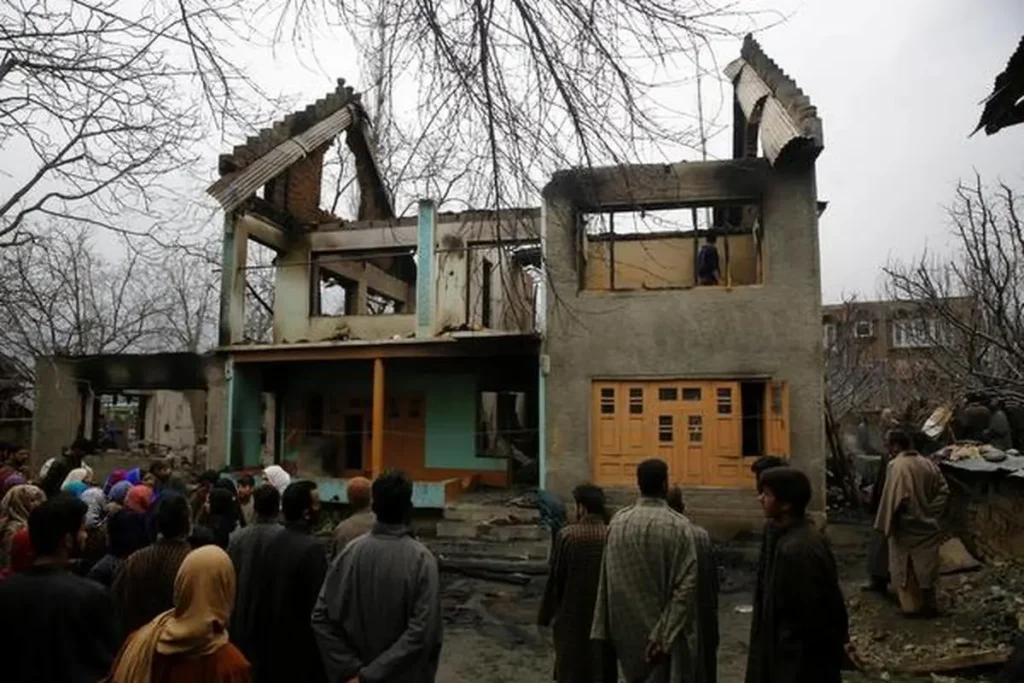
It proved that when terrorism strikes, it doesn't look at region or language it strikes the nation as a whole.
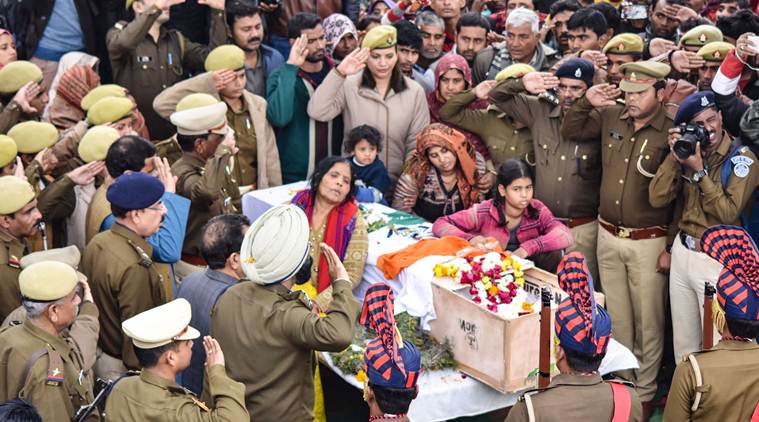
State funerals were held in their respective native places. Thousands of people gathered to pay their respects. The government of Punjab announced a compensation of ₹12 lakh for the families of the soldiers from their state, and promised government jobs to their kin.
Part 7: The Aftermath and Reactions
Anger on the Streets
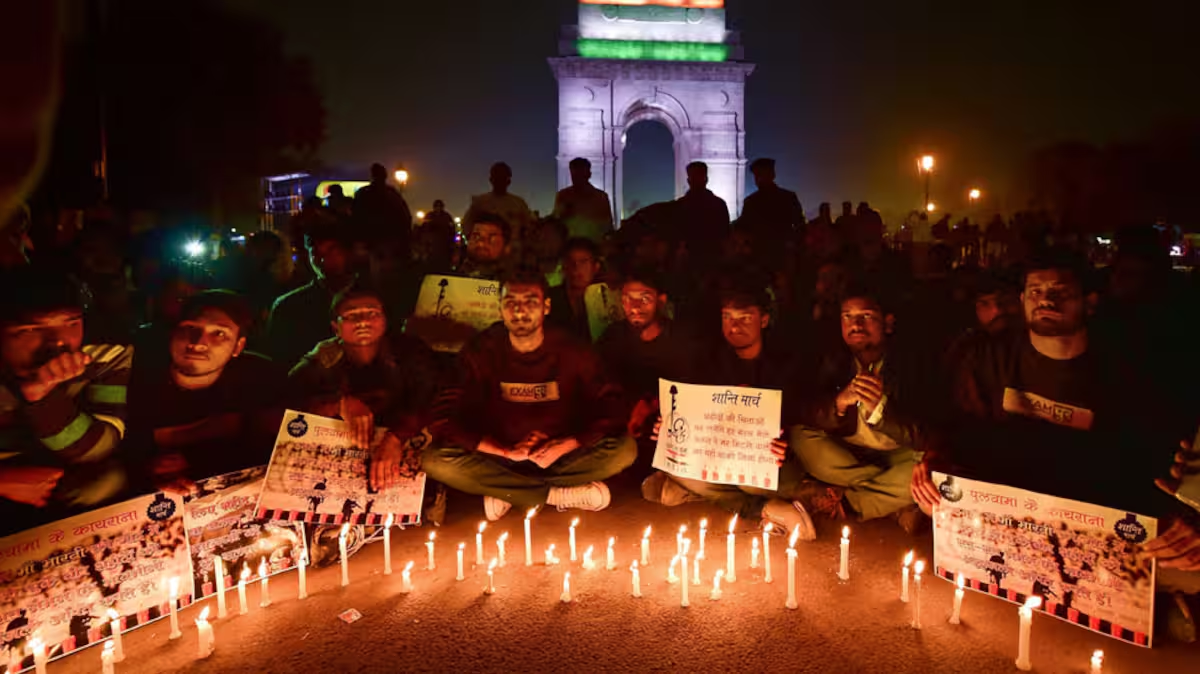
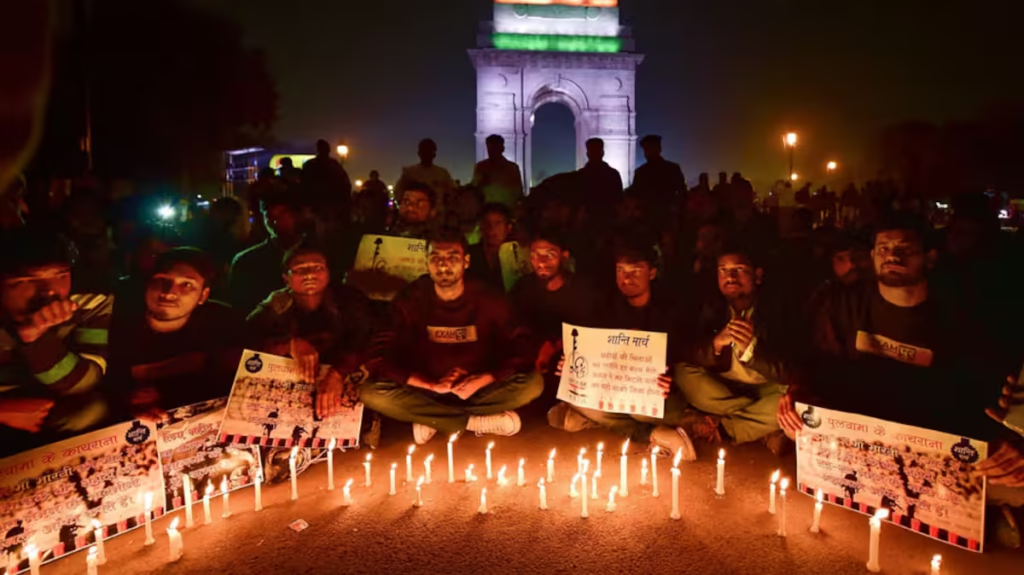
India was angry. Candlelight marches were held across the country. People took to the streets in protest.
However, things also got tense internally. There were reports of violent protests in Jammu, leading to a curfew. Unfortunately, there was also a backlash against innocent Kashmiris living in other parts of India. Students from Kashmir faced harassment and some were even evicted from their homes.
The Indian government and police had to step in. The CRPF even launched a helpline to help Kashmiri students who were in distress. It was a chaotic time where grief was mixing with misplaced anger.
Economic and Diplomatic Strikes
India didn't just sit quietly. The government took immediate non-military actions to punish Pakistan:
MFN Status Revoked: India revoked the Most Favoured Nation status it had granted to Pakistan. This is a trade status that allows for easier business.
Customs Duty Hike: India raised the customs duty on all Pakistani goods imported to India to 200%. This basically killed Pakistani exports to India.
FATF Pressure: The Indian government pushed the Financial Action Task Force (FATF) to put Pakistan on the blacklist for failing to stop terror funding. The FATF eventually kept Pakistan on the grey list, putting immense pressure on their economy.
Cultural Boycotts
The anger spilled over into arts and sports too.
Bollywood: The All Indian Cine Workers Association announced a total ban on Pakistani actors and artists. No more music, no more movies with Pakistani talent.
Cricket: There was a huge debate about the upcoming 2019 World Cup. Indian fans and the BCCI called for a boycott of the match against Pakistan. In a touching gesture, during a match against Australia in Ranchi, the Indian cricket team wore camouflage military caps instead of their usual blue ones to pay tribute to the Pulwama martyrs. They also donated their match fees to the National Defence Fund.
Part 8: The Military Response
The Gunfight (February 18)
Four days after the attack, the Indian security forces tracked down the planners. A joint team of the 55 Rashtriya Rifles, CRPF, and Special Operations Group launched an operation in Pinglan, Pulwama.
It was a fierce gunfight. The security forces killed two terrorists. One of them was Abdul Rasheed Ghazi (alias Kamran), who was considered the mastermind of the Pulwama attack and a commander of Jaish-e-Mohammed.
However, this victory came at a high price. Four Indian security personnel, including a Major, were killed in the gunfight. A civilian also lost his life.
The Balakot Airstrike (February 26)
India was not done. The government had promised a strong response, and on February 26, they delivered it.
In the early hours of the morning, twelve Mirage 2000 jets of the Indian Air Force crossed the Line of Control (LoC). This was huge Indian jets hadn't crossed into Pakistani airspace like this in decades.
They dropped bombs on Balakot, Pakistan. India stated they struck a large Jaish-e-Mohammed training camp and killed a large number of terrorists. Pakistan confirmed the jets entered their airspace but claimed they dropped their payloads on empty land and caused no casualties.
Regardless of the damage debate, the message was clear. India was willing to cross borders to strike back.
The Dogfight and Abhinandan (February 27)
The very next day, Pakistan retaliated. Pakistani jets entered Indian airspace. The Indian Air Force scrambled their jets to intercept them.
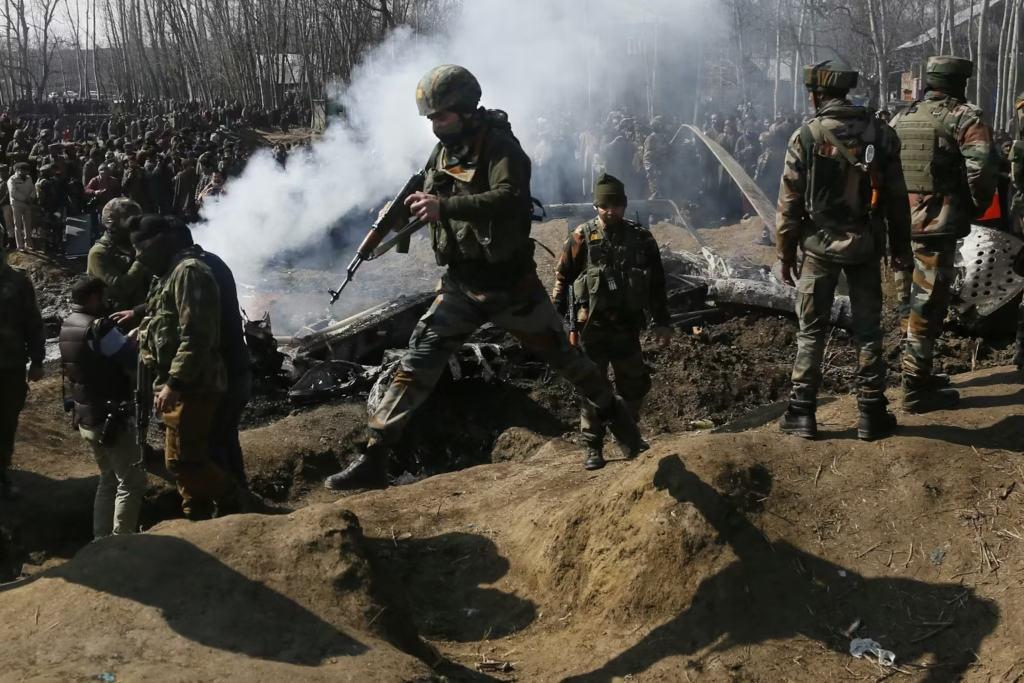
An aerial dogfight ensued in the skies. An Indian MiG-21 Bison, flown by Wing Commander Abhinandan Varthaman, shot down a Pakistani jet (though Pakistan denies this). Unfortunately, Abhinandan’s plane was also hit. He ejected and landed in Pakistani territory.
He was captured by the Pakistani army. Videos of him being questioned went viral. His calm demeanor and his famous line, "I am not supposed to tell you that," made him a national hero instantly.
Due to immense international pressure and the Geneva Convention rules, Pakistan’s Prime Minister Imran Khan announced that Abhinandan would be released as a gesture of peace. He returned to India on March 1, 2019, to a hero's welcome at the Wagah border.
Part 9: Global Reactions
The World Stands with India
The international community rallied behind India.
United States: Condemned the attack and told Pakistan to stop sheltering terrorists.
China, France, Russia: All issued strong statements condemning the terror act.
Neighbors: Bangladesh, Bhutan, Sri Lanka, and others stood in solidarity.
United Nations: The UN Secretary-General condemned the attack.
Interestingly, China initially blocked a UN Security Council resolution to designate JeM leader Masood Azhar as a global terrorist, but eventually, due to global pressure, the designation went through later.
Part 10: Conclusion and Legacy
The 2019 Pulwama attack was a turning point in India-Pakistan relations. It showed the devastating cost of terrorism 40 families lost their sons, fathers, and brothers.
It also changed the way India responds to terror. The surgical strikes and airstrikes showed a shift toward a more aggressive defense policy.
Today, memorials stand in honor of the CRPF soldiers who died. The attack is remembered not just for the tragedy, but for the unity India showed in its aftermath. From the soldiers at the border to the cricketers on the field, and the common people on the street, the message was one of resilience.
We remember the 40 brave souls of Pulwama. They will never be forgotten.
I hope this deep dive helped you understand the entire timeline of the Pulwama attack. If you found this informative, please share it to keep the memory of our soldiers alive.
Udaipur Freelancer delivers high-quality web, marketing, and design solutions. We focus on building impactful digital experiences that help your brand succeed in today's market.








Recommended for you
Must-See Art Exhibitions Around the World This Year
The Revival of Classical Art in a Digital Age
Breaking Down the Elements of a Masterpiece Painting
The Revival of Classical Art in a Digital Age