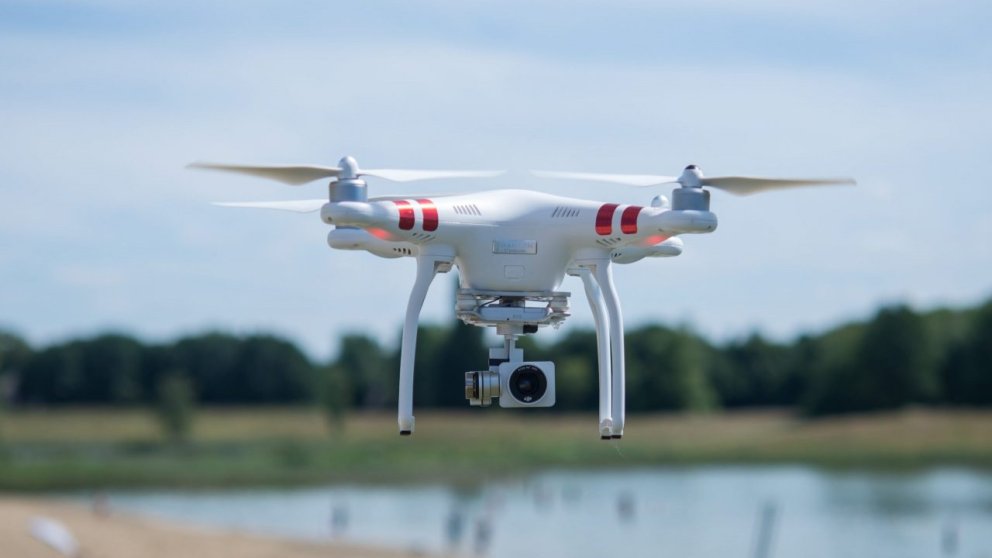
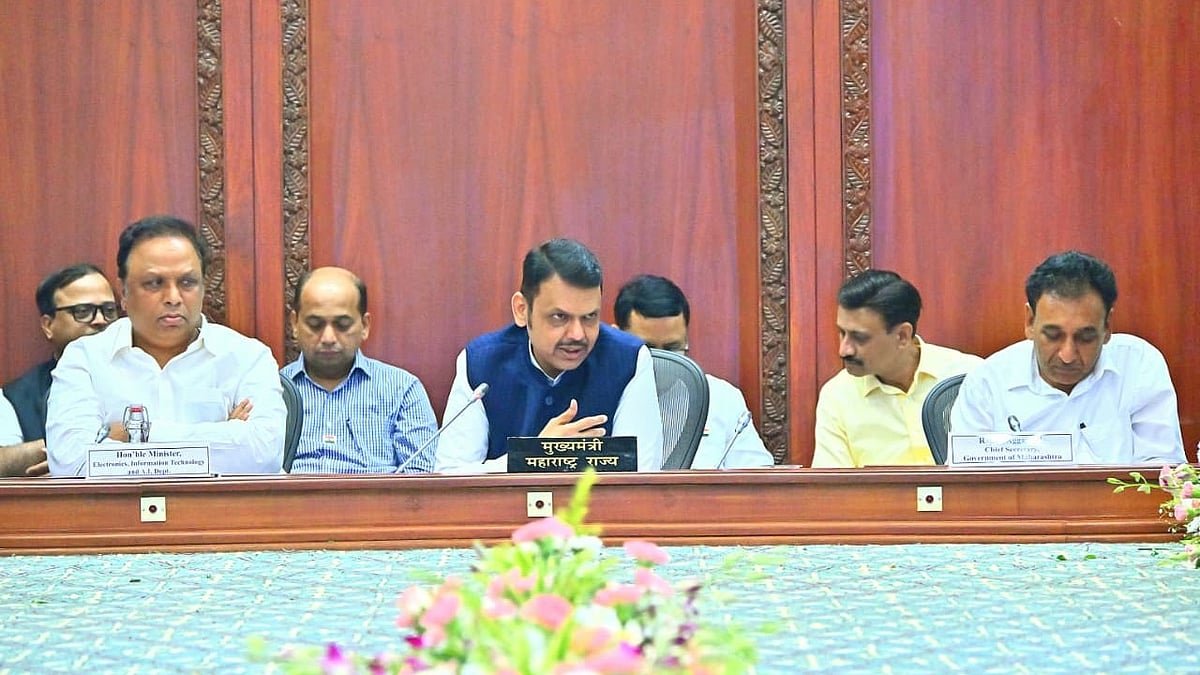
The government of Maharashtra has taken a big step forward in modern technology. The state has decided to set up a special task force. This task force will make sure that the state drone policy works smoothly across all sectors. Drones are flying machines without human pilots, and they are quickly changing how governments work, monitor projects, and help citizens.
Why Does Maharashtra Need a Drone Task Force?
Technology is moving very fast today. Many government departments want to use drones for different tasks. However, without clear rules and proper coordination, it can be hard to manage flying devices in the sky. The new task force will act as a central team. It will guide various state departments on how to purchase, use, and maintain drones safely.
The main goal of this policy is to bring speed and accuracy to government work. Drones can reach difficult places much faster than humans or traditional vehicles. By forming a dedicated task force, Maharashtra wants to become a leading hub for drone adoption and manufacturing in India.
Key Areas Where Drones Will Be Used
The state government plans to deploy drones in several key sectors. One of the most important areas is agriculture. Maharashtra has millions of farmers who face problems like pest attacks and unpredictable weather. Drones can fly over large fields to spray fertilizers quickly and take pictures of crops to check their health.
Another major area is infrastructure and urban planning. Building roads, bridges, and smart cities requires regular monitoring. Instead of sending engineers on foot every day, drones can create 3D maps of construction sites within minutes. This saves both time and public money.
Disaster management is also a top priority. During floods, forest fires, or earthquakes, rescue teams need quick aerial views to locate trapped people. In similar ways that security agencies explore advanced tracking and rescue tools, state emergency teams can use drone cameras and sensors to save lives during natural disasters.
Cost Efficiency and Better Governance
Using technology smartly helps governments cut down on unnecessary spending. For a long time, aerial surveys and quick travel relied on expensive chartered flights or helicopters, which often sparked debates similar to the recent helicopter travel controversy in regional politics. Drones offer a much cheaper, cleaner, and faster solution for aerial surveillance and remote monitoring.
With drones, small teams can collect data at a fraction of the cost of traditional aviation methods. This makes public administration much more efficient and accountable to the citizens.
There’s more to life than simply increasing its speed.
By Udaipur Freelancer
Creating Jobs and Skills for the Youth
The drone policy is not just about machines; it is also about creating new job opportunities for young people. Drones need skilled pilots, technicians, and data analysts to operate properly.
The Maharashtra task force will work closely with educational institutions and training centers to launch drone pilot training courses. Rural youth, in particular, will have the chance to learn how to operate agricultural drones. This can create new micro-businesses in villages where trained pilots offer spraying and mapping services to local farmers.
Improving Law and Order
Police departments in major cities like Mumbai and Pune are already using drones during big festivals and crowded public events. The task force will now set standard operating procedures so that all police units across districts can use drones responsibly.
Drones can help track traffic jams, spot illegal mining along riverbeds, and monitor forest boundaries to stop wildlife poaching. High-definition cameras on drones give police officers a clear view of situations before they send ground teams into dangerous areas.
Looking Ahead
The formation of the task force marks a progressive step for Maharashtra. As drone technology continues to evolve, having a dedicated group to manage safety, regulations, and implementation will ensure that the technology benefits ordinary citizens.
In the coming months, the task force is expected to release detailed guidelines on drone procurement, private sector partnerships, and pilot certification standards. This initiative shows how modern governance is adopting smart tools to build a safer and more prosperous state.
Udaipur Freelancer delivers high-quality web, marketing, and design solutions. We focus on building impactful digital experiences that help your brand succeed in today's market.







Recommended for you
Must-See Art Exhibitions Around the World This Year
The Revival of Classical Art in a Digital Age
Breaking Down the Elements of a Masterpiece Painting
The Revival of Classical Art in a Digital Age