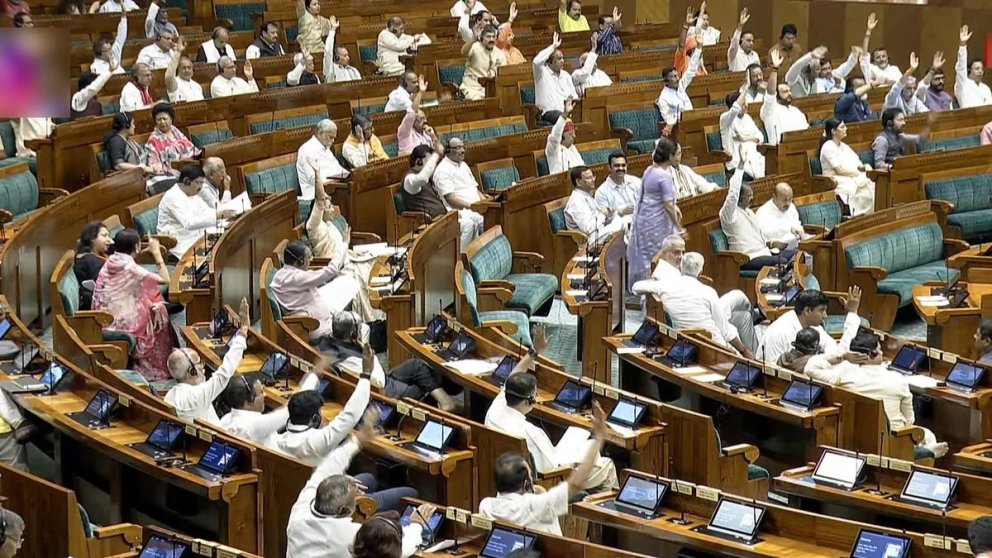
The Indian Parliament was filled with loud shouting and noise during a busy session. Even with all the din from opposition parties, the Lok Sabha passed the new Tribunals Reforms Bill. This is a very important news story for anyone following Indian politics and law. In simple terms, this new bill changes how special judicial bodies called tribunals work across the nation.
Many people wonder why the Parliament was so noisy when this bill was presented. Opposition leaders were protesting about various national issues. However, the government decided to go ahead with the discussion and voting. After a brief period, the bill was passed without a long debate. Let us look closely at what this bill means and why it matters.
What is a Tribunal in Simple Terms?
To understand the new bill, we first need to know what a tribunal is. Normal courts handle all kinds of legal fights like crime, family disputes, and property problems. But a tribunal is a special court created for specific topics. For instance, there are tribunals for income tax, corporate laws, environmental problems, and intellectual property.
Tribunals were created so that expert people could resolve specialized cases quickly. This helps reduce the heavy workload on high courts and district courts. Over the years, India created many different tribunals to handle complex technical matters speedier than regular courts.
Key Changes in the New Tribunals Reforms Bill
The new Tribunals Reforms Bill brings some major changes to how these bodies are run. First, it abolishes several existing appellate tribunals. The power to hear appeals from these old bodies is now transferred back to High Courts. This means certain special boards will no longer exist, and people will go straight to the High Court instead.
Second, the bill sets new rules for who can become a chairperson or member of a tribunal. It states that a person must be at least 50 years old to be appointed to a tribunal. This age limit has caused a lot of discussion among legal experts and lawmakers.
Third, the bill fixes the tenure for tribunal members. A chairperson will hold office for four years or until reaching the age of 70, whichever is earlier. Other members will also serve a term of four years or until they reach the age of 67. These new rules aim to make service terms uniform across different legal bodies.
Why is there a Debate Around the Bill?
The bill has faced strong criticism from both political parties and legal observers. The main reason for controversy is that the Supreme Court of India had earlier struck down similar rules created by the government through ordinances. The Supreme Court felt that a short tenure of four years and a high minimum age of 50 years might hurt judicial independence.
There’s more to life than simply increasing its speed.
By Udaipur Freelancer
Despite the court rulings, the government included these same provisions in the new law. Critics argue that forcing a minimum age of 50 might prevent talented young lawyers from joining tribunals as technical members. Just as courts rule on big national policies, such as when the supreme court handles educational issues like the neet ug shift to computer based testing supreme court case, the high court and supreme court also closely watch how tribunals are managed.
How Parliament Passed the Bill Amid Din
On the day of the voting, the Lok Sabha was full of loud slogans. Opposition members stood in the well of the house and raised protest slogans. They demanded discussions on other pressing national matters before passing new laws. The atmosphere was noisy and tense.
However, the Finance Minister moved the bill for consideration. Since the government had the majority of votes in the Lok Sabha, the bill was passed quickly by a voice vote amid the noise. This method of passing laws without detailed debate in Parliament has been criticized by opposition leaders, who feel that major legal reforms deserve open discussion.
What Happens Next?
Now that the Lok Sabha has passed the bill, it moves forward in the legislative process. Once both houses pass a bill and the President signs it, it official becomes law. However, because this bill contains provisions that were previously questioned by judges, it might be challenged in the Supreme Court once again.
Clear rules and smooth legal procedures are crucial for a nation to solve its daily governance issues. Just like the government has to take emergency actions when environmental crises happen, such as when delhi air quality hits 428 forcing the return of maximum grap 4 restrictions, having a well-functioning legal system is essential for maintaining order in every field.
Conclusion
The passing of the Tribunals Reforms Bill in the Lok Sabha amid din is a key moment in Indian lawmaking. While the government believes these reforms will streamline tribunal functions and reduce delays, critics worry about court independence and lack of debate. In the coming months, it will be interesting to see how the High Courts handle their new workload and whether the Supreme Court will review these rules again.















Recommended for you
Must-See Art Exhibitions Around the World This Year
The Revival of Classical Art in a Digital Age
Breaking Down the Elements of a Masterpiece Painting
The Revival of Classical Art in a Digital Age